2026 Top Thermoformed Packaging Trays Trends and Insights?
The demand for thermoformed packaging trays is rapidly increasing in various industries. According to a recent market research report by IMARC Group, the global thermoformed packaging market is expected to reach USD 40.1 billion by 2026, growing at a CAGR of 5.8%. This growth is driven by the booming food and beverage sector, where the need for efficient packaging solutions is paramount. Thermoformed packaging trays offer lightweight, customizable options that enhance product visibility and shelf life.
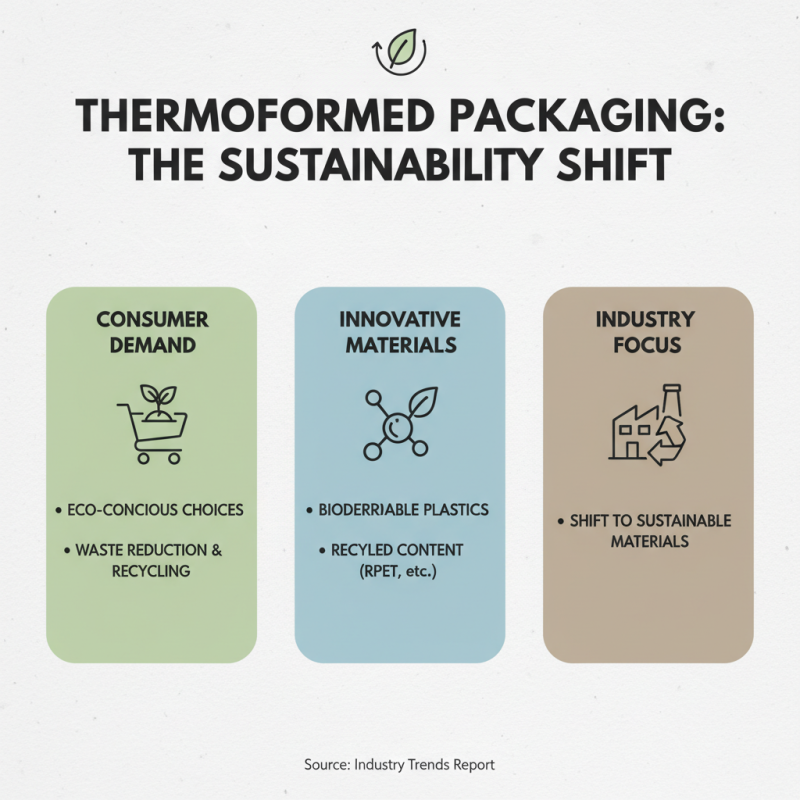
However, the industry faces challenges with sustainability. As consumers become more environmentally conscious, the pressure to use eco-friendly materials rises. Many companies are exploring bioplastics and recycled materials, yet the transition has not been smooth. There is still a reliance on traditional plastics, which contradicts sustainability goals. The balancing act between cost, functionality, and environmental impact is an ongoing concern for manufacturers.
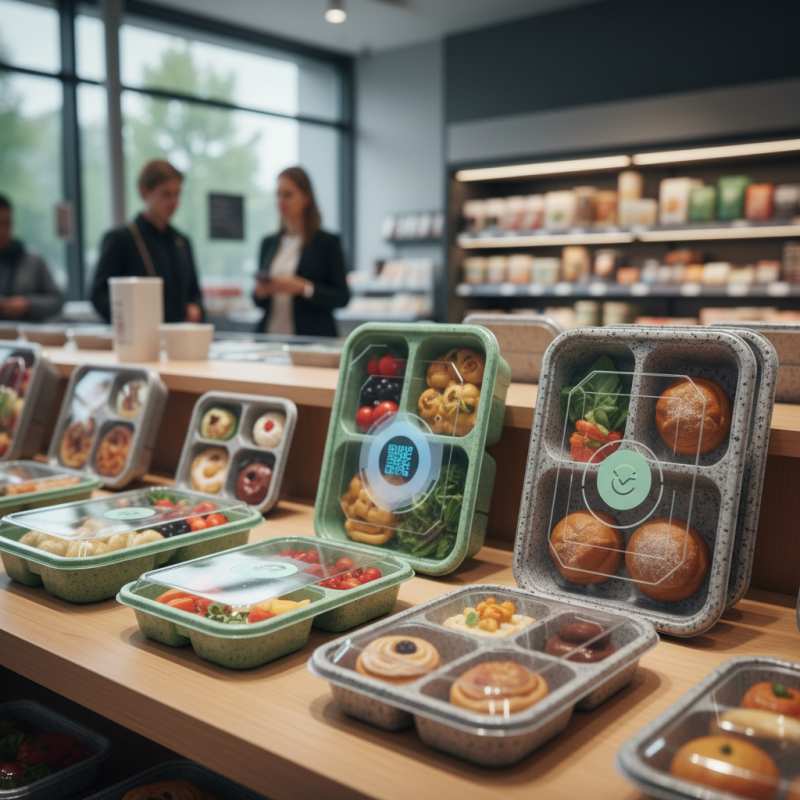
Emerging trends in thermoformed packaging trays also reflect innovations in design and technology. Smart packaging solutions are gaining attention, incorporating features like freshness indicators and QR codes. These advancements aim to enhance user experience and increase operational efficiency. As the market evolves, producers must adapt quickly. The path forward is filled with both opportunities and obstacles for thermoformed packaging trays in 2026.
2026 Thermoformed Packaging Trays: Market Overview and Growth Predictions
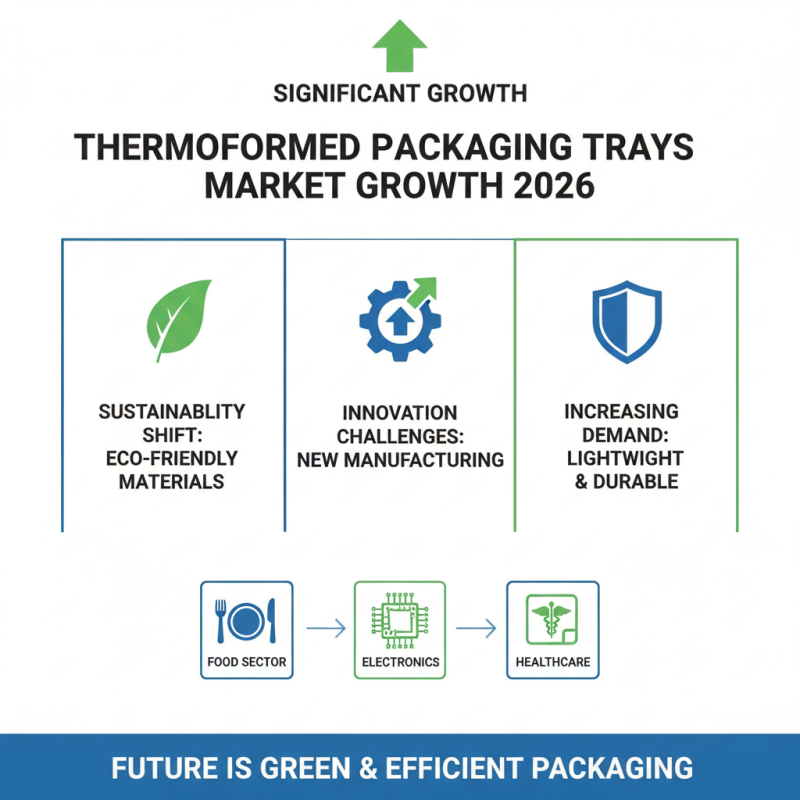
The thermoformed packaging trays market is poised for significant growth in 2026. As sustainability becomes a priority, companies are exploring eco-friendly materials. This transition will challenge manufacturers to innovate. The demand for lightweight and durable trays is increasing in various sectors, including food, electronics, and healthcare.
In many cases, the existing production methods may not fully support these changes. For example, some materials may still be costly or difficult to source. Businesses must also address consumer preferences for packaging that is not only functional but also attractive. The aesthetics of trays can influence buying decisions significantly.
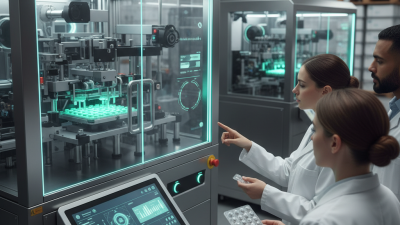
Market insights indicate that automation will play a crucial role in production processes. Advanced technologies can enhance efficiency but may require initial investment. Companies might face hurdles integrating these technologies effectively. Embracing these shifts will be essential for staying competitive in an evolving marketplace.
Key Trends Influencing Thermoformed Packaging Tray Design in 2026
In 2026, thermoformed packaging trays are seeing significant shifts. Sustainability remains a crucial factor. More companies are opting for recyclable materials. This trend aligns with consumers' increasing demand for eco-friendly solutions. It is important, however, to find a balance between functionality and environmental impact.
Moreover, the focus on aesthetics has grown. Attractive designs can enhance product appeal. Brands are investing in eye-catching designs to stand out. However, this raises questions about practicality. Are these stylish trays as functional as standard ones? Therefore, a careful evaluation of design versus utility is vital.
Another noteworthy trend is customization. Tailoring trays for specific products improves user experience. It allows for better protection during transport. Yet, customization can complicate production processes. Brands must ponder over cost implications and production capacity. These factors influence the overall effectiveness of the packaging strategy.
2026 Top Thermoformed Packaging Trays Trends
The chart above illustrates the top trends influencing thermoformed packaging tray design in 2026. Each trend is rated based on its influence score, with sustainability and cost efficiency leading the way.
Technological Innovations in Thermoforming Processes and Materials
The thermoforming market is evolving rapidly. Technological innovations are reshaping processes and materials. According to a recent report, the thermoforming market is projected to reach $15.1 billion by 2026, driven by advances in production methods. These new techniques enable manufacturers to create lighter and more robust packaging solutions. Trends indicate a significant shift towards sustainable materials, which align with consumer demands for environmentally friendly options.
One key innovation is in the use of recycled polymers. These materials reduce waste and enhance the circular economy. However, processing these materials can sometimes be challenging. Manufacturers must refine their methods to achieve consistent quality. The integration of automation in the thermoforming process also plays a critical role. This technology minimizes human error and increases production efficiency.
Tips: Assess your supply chain for viable recycled material options. Consider the trade-offs of switching to automation versus traditional processes. Keep in mind that adopting new technologies often requires upfront investment. It’s essential to weigh these costs against long-term benefits carefully. Balancing innovation with practicality is crucial as the industry progresses.
2026 Top Thermoformed Packaging Trays Trends and Insights
| Trend |
Description |
Material Innovations |
Sustainability Impact |
Market Growth Rate (%) |
| Smart Packaging |
Integration of sensors for tracking freshness and quality. |
Biodegradable plastics, RFID technologies. |
Reduces food waste, promotes recycling. |
15% |
| Lightweight Materials |
Use of thinner, stronger materials to reduce overall weight. |
Advanced polymer blends, recycled PET. |
Lower carbon footprint in transportation. |
10% |
| Customization Options |
Greater focus on bespoke packaging solutions for brands. |
Custom thermoforming molds, eco-friendly inks. |
Enhances brand appeal while utilizing recyclable materials. |
12% |
| Automation in Production |
Increased use of automated systems to enhance efficiency. |
High-speed thermoforming machinery, AI integration. |
Improved energy efficiency and reduced waste. |
20% |
| Recyclable and Reusable Solutions |
Enhanced focus on recyclable packaging systems. |
Increased use of sustainable materials. |
Promotes circular economy initiatives. |
8% |
Consumer Preferences Driving the Demand for Customizable Tray Solutions
Consumer preferences are reshaping the packaging industry, particularly for thermoformed trays. Customization is now more than a trend; it’s a demand. Shoppers want products that reflect their individuality. They seek trays that cater to their specific needs. From size to design, the options are vast. This factor drives the market toward offering more adaptable solutions.
The desire for customizable packaging is evident across various sectors. Food, cosmetics, and electronics all require tailored trays. These trays must not only look good but also serve practical functions. The convenience of user-friendly packaging enhances the shopping experience. However, the challenge lies in balancing innovation with sustainability. Manufacturers need to reflect on their practices. Are they producing too much waste? Can they use eco-friendly materials?
Another challenge is the pace of change. Trends shift rapidly, and keeping up can be daunting. Businesses must stay agile to meet consumer expectations. Yet, some companies may lag. They might stick to old methods instead of embracing new technologies. This hesitation can lead to missed opportunities. As preferences evolve, so must the approaches to packaging design. Flexible solutions are crucial now more than ever.