2026 Top Plastic Clamshell Containers What to Choose?
The rise of plastic clamshell containers has transformed packaging across industries. These containers are versatile and widely used in food, retail, and consumer goods. According to a recent report by Transparency Market Research, the global plastic clamshell market is projected to grow at a CAGR of 5.3% from 2021 to 2028. This growth reflects the increasing demand for sustainable and reliable packaging solutions.
When selecting the right plastic clamshell containers, several factors come into play. Brands must consider material types, designs, and environmental impacts. Many companies face challenges with balancing aesthetics and functionality. For example, not all clamshell designs offer optimal protection for fragile items. Additionally, the choice of materials can affect recyclability, raising concerns about sustainability.
With numerous brands and options available, it's easy to feel overwhelmed. Certain containers might look appealing but fall short in performance. Researching and understanding the specific needs of your product can help in making a more informed decision. As the market evolves, the importance of choosing high-quality plastic clamshell containers becomes increasingly apparent.
Overview of Plastic Clamshell Containers in 2026
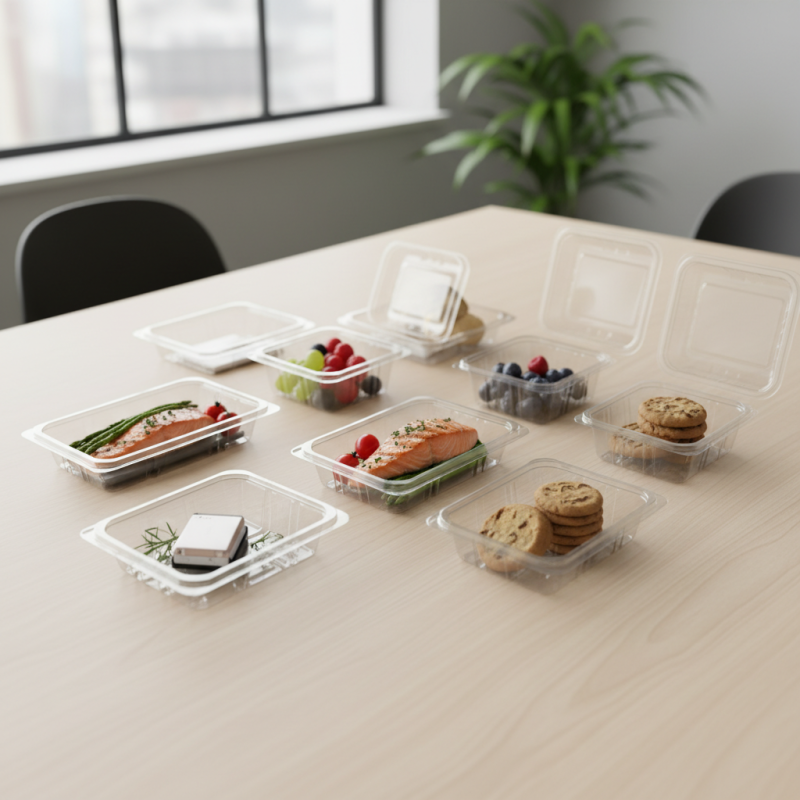
Plastic clamshell containers are a staple in various industries, especially in food packaging. In 2026, demand for these containers continues to grow. Recent industry reports suggest that the market for plastic packaging is projected to reach $600 billion by 2027, with clamshells making a significant contribution. Their versatility and convenience are key factors driving this trend.
However, not all clamshell containers are created equal. Clients need to consider material types, size options, and design features. Many clamshells are made from PET, which is recyclable and food-safe. Yet, this sustainability aspect is often overlooked. Consumers increasingly prefer eco-friendly options, pushing manufacturers to innovate. It’s crucial to stay ahead of these environmental trends.
Tips: Always evaluate the product's lifecycle. Choose containers that minimize waste. Additionally, consider how packaging impacts shelf life. Remember, the right choice can enhance product marketability. Keep questioning the effectiveness of your current packaging solutions.
Key Features to Consider When Choosing Clamshell Containers
When selecting plastic clamshell containers, consider several key features. Material is essential. Look for food-safe, durable options. Many containers are made from PET, which is lightweight yet sturdy. Ensure the container is appropriate for your specific use. Clamshells should protect your products while remaining easy to open and close.
**Tip:** Test the container's hinges. Make sure they are resilient enough to withstand repeated opening. Weak hinges can lead to breakage, wasting both the container and the product inside.
Size and shape matter too. Clamshells come in various sizes and designs. Choose one that fits your product well, reducing movement and possible damage during shipping. Avoid containers that are too tight or too loose, as they can compromise product integrity.
**Tip:** Check for labeling options on the container. This feature can be crucial for branding and information display. Properly labeled containers enhance product visibility on the shelf.
Lastly, consider the environmental impact. Eco-friendly materials are becoming more popular. They appeal to consumers who prioritize sustainability. It’s essential to reflect on the product lifecycle and choose wisely. Some containers may seem great but are not recyclable. Always evaluate both the efficiency and the environmental footprint of your choice.
2026 Top Plastic Clamshell Containers - Key Features to Consider
| Container Type |
Material |
Size (L x W x H) |
Weight (grams) |
Recyclable |
Price Range |
| Standard Clamshell |
PET |
15 x 10 x 5 cm |
30 |
Yes |
$0.50 - $0.80 |
| Food-safe Clamshell |
PP |
20 x 15 x 7 cm |
35 |
Yes |
$0.70 - $1.00 |
| Transparent Clamshell |
RPET |
12 x 8 x 4 cm |
25 |
Yes |
$0.40 - $0.60 |
| Customizable Clamshell |
HIPS |
18 x 13 x 5 cm |
40 |
No |
$0.90 - $1.30 |
Environmental Impact of Plastic Clamshell Containers
The environmental impact of plastic clamshell containers is a pressing concern. These containers are widely used for packaging food and other products. However, their convenience comes at a cost. The production and disposal of plastic contribute significantly to pollution. Many of these containers end up in landfills or oceans, harming wildlife.
Recycling plastic clamshells is challenging due to their design. Many facilities do not accept them, creating a waste problem. Statistics show that only a small percentage is recycled properly. Little hope exists for biodegradable alternatives, which could offer a better choice. However, they also require specific conditions to break down.
Using plastic clamshells raises questions about sustainability. Consumers are becoming more aware of their choices. Newer materials may provide solutions, but they are not widely adopted. It's crucial to rethink our reliance on these containers. Sustainable practices need implementation across industries to reduce environmental burdens.
Comparative Analysis of Popular Clamshell Brands in 2026
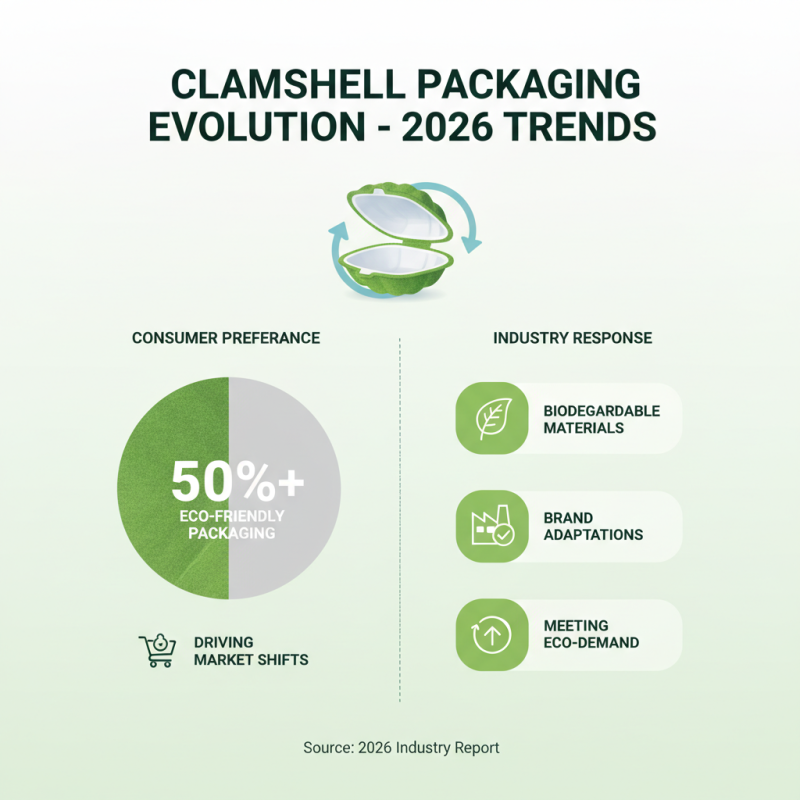
In 2026, the clamshell container market continues to evolve rapidly. According to a recent industry report, over 50% of consumers prefer environmentally friendly packaging options. This trend is shaping brand offerings across the market. Many companies are exploring biodegradable materials that appeal to eco-conscious buyers.
A comparative analysis reveals interesting insights. While some brands focus on durability, others prioritize design. For instance, lightweight variants are becoming popular due to their convenience. However, not all lightweight options maintain structural integrity, leading to product damage. Additionally, transparency remains a key factor. Consumers want to see what's inside the container, yet some brands struggle to balance visibility with durability.
Pricing also varies significantly among brands. Premium products often tout superior features but can alienate budget-conscious consumers. The gap creates a niche for mid-range options that provide value without sacrificing quality. Companies must reflect on these dynamics as they develop strategies for 2026 and beyond. A focus on consumer preferences and realistic product performance could guide better choices in the clamshell container market.
Tips for Selecting the Right Size and Shape of Clamshell Containers
When selecting the right clamshell containers, size and shape play crucial roles. The global clamshell packaging market is projected to reach $50 billion by 2026, driven by demand in various sectors. Understanding your product's dimensions is vital. Containers should provide enough space without excess room, reducing waste and ensuring product safety.
Choosing the right shape can impact functionality. For instance, shallow containers are ideal for fragile items. Conversely, deep containers support heavier products better. An industry report suggests that nearly 70% of consumers prefer packaging that is easy to open yet secure.
**Tips**: Consider the weight and fragility of the items you plan to package. Test various sizes to see what fits best. Don’t overlook the importance of visibility; transparent containers allow consumers to see the product. However, balance is essential—too much clarity can lead to damage. Packaging must not only showcase but also protect.
In some instances, standard sizes may not work for your needs. Custom solutions can add cost and complexity, yet they may also enhance customer satisfaction. Listen to feedback to refine your choices. Over time, the right decision becomes clearer through trial and reflection. Always prioritize functionality alongside aesthetics.
2026 Top Plastic Clamshell Containers: Size and Shape Preferences