What are the Benefits of Plastic Clamshell Packaging in 2026?
In 2026, plastic clamshell packaging continues to transform the packaging landscape. With its captivating transparency and versatile design, this packaging solution appeals to businesses and consumers alike. Companies appreciate its ability to showcase products while ensuring protection.
Moreover, plastic clamshell packaging offers sustainability opportunities. Many manufacturers are now exploring recyclable or biodegradable materials, striving to reduce environmental impact. This shift reflects not just consumer demand but also industry responsibility.
Despite the advantages, it's essential to remain critical of plastic clamshell packaging. Overuse can contribute to plastic waste, prompting the need for better waste management systems. Companies must balance benefits with potential pitfalls, ensuring they prioritize eco-friendly practices.
Benefits of Plastic Clamshell Packaging: An Overview
Plastic clamshell packaging is increasingly favored for various reasons. One significant advantage is its durability. According to industry reports, clamshells protect products during transportation. Their rigidity minimizes damage. This results in fewer product returns and lower costs for businesses.
In 2026, the sustainability aspect is crucial as well. Many clamshells are made from recyclable materials. Data from environmental studies show that about 40% of packaged goods use recyclable plastics. This encourages consumers to engage in eco-friendly practices. However, not all clamshells are created equal. Some materials may still end up in landfills, raising concerns about waste management.
Clamshell packaging offers visibility. Consumers appreciate seeing the product before purchase. Research indicates that transparent packaging can increase sales by up to 15%. Still, the aesthetics alone may not guarantee a sale. Buyers also look for functions, such as ease of opening and resealability. This presents an area for improvement in overall design and usability.
Benefits of Plastic Clamshell Packaging in 2026
Sustainability in Plastic Clamshell Packaging Innovations
The rise of plastic clamshell packaging in 2026 reflects a marked shift towards sustainability. This innovative packaging solution effectively utilizes recyclable materials, aiming to reduce environmental impact. According to the Association of Plastic Recyclers, around 30% of clamshells are now made from post-consumer recycled content. This figure indicates a growing commitment to sustainable practices in the packaging industry.
Innovations in design are also contributing to sustainability. Lightweight clamshells use less plastic, cutting down on material usage by up to 15%. Many manufacturers are exploring biodegradable alternatives, although challenges remain in terms of cost and performance. A report by Smithers Pira indicates that the global market for sustainable packaging is expected to reach $500 billion by 2028, suggesting a strong demand for eco-friendly solutions like clamshells.
Yet, complexities exist. Recycling rates for clamshell packaging still trail behind other materials. In some regions, the recycling infrastructure lacks the capability to process these items effectively. As advancements continue, addressing these challenges remains crucial for the future of sustainable plastic clamshell packaging. Balancing convenience with environmental responsibility will be key in promoting wider acceptance and usage.
Cost Efficiency of Plastic Clamshell Packaging in Manufacturing
Plastic clamshell packaging offers significant cost efficiency in manufacturing processes. According to a recent industry report by Key Market Insights, plastic packaging production costs have decreased by up to 12% over the past three years. This decline primarily stems from advancements in materials and production technologies. The lightweight nature of clamshells reduces shipping costs. Overall, manufacturers can expect lower overheads owing to reduced transit expenses.
Additionally, the manufacturing process itself has become more streamlined. Modern injection molding techniques allow for faster production cycles. This increased efficiency can lead to higher output with less labor involved. However, some manufacturers find that maintaining quality control while scaling up can pose challenges. Striking a balance between quantity and quality is crucial for sustaining long-term profitability.
The flexibility of plastic clamshell designs also contributes to cost savings. Many packaging forms can adapt to various products, reducing the need for multiple molds. This versatility can initially seem advantageous, but it may lead to waste if the packaging is not suited for specific items. Understanding market demand remains essential in maximizing cost efficiency.
Enhanced Product Visibility and Consumer Appeal with Clamshells
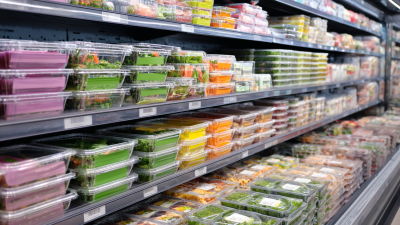
In 2026, clamshell packaging is gaining prominence due to its ability to enhance product visibility. Studies show that nearly 70% of consumers prefer products in transparent packaging. This preference stems from the clear view of the product, which instills confidence and encourages purchase. The aesthetic appeal of clamshells captivates shoppers, leading to increased attention on store shelves.
The versatility of clamshells allows for unique designs that accommodate various products, from electronics to food items. According to a recent industry report, clamshells increase product awareness by over 30%, demonstrating their effectiveness in attracting consumer interest. Their durable structure offers protection while maintaining an engaging visual presentation. However, there are critiques regarding the environmental impact of plastic materials.
While the benefits are substantial, the reliance on plastic raises sustainability concerns. Recent surveys indicate that 40% of consumers are actively seeking eco-friendly alternatives. This tension between visibility and sustainability complicates the narrative for packaging solutions. Brands now face the challenge of balancing attractive presentation with environmentally responsible choices, highlighting a significant area for future innovation.
Protection and Preservation Benefits of Plastic Clamshell Packaging
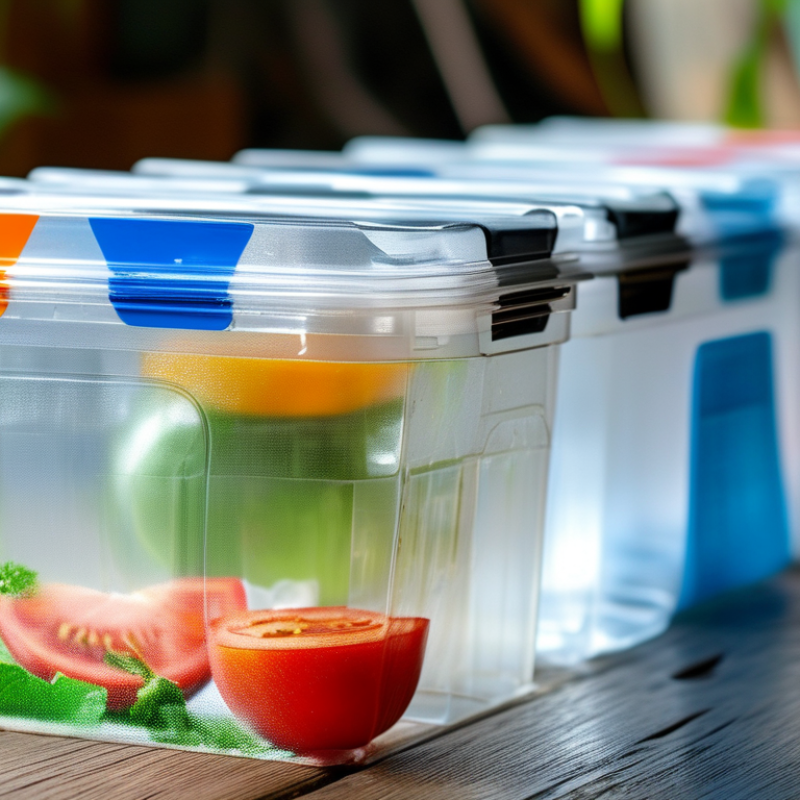
Plastic clamshell packaging offers notable protection for various products, crucial for maintaining their quality. These packages create a barrier against physical impacts, dust, and moisture. This is especially vital for food items, where spoilage can lead to waste and health issues. The transparent design allows consumers to see the product clearly, enhancing the buying experience.
In 2026, the environmental impact of clamshell packaging should be considered. Many clamshells are recyclable, but not all customers are aware. Educating consumers on proper disposal methods is essential. Furthermore, the durability of these packages raises questions about sustainability. While they prevent breakage, the materials used often require careful scrutiny.
We must also reflect on how companies can balance protection with eco-friendliness. Some brands have begun using biodegradable materials to mitigate plastic waste. This change is a step in the right direction but requires ongoing commitment. As we advance, the quest for better packaging that secures products without harming our planet continues.
What are the Benefits of Plastic Clamshell Packaging in 2026? - Protection and Preservation Benefits of Plastic Clamshell Packaging
| Benefit Category |
Description |
Examples of Application |
| Protection |
Provides structural integrity and resists crushing, ensuring items remain intact during transport and handling. |
Electronics, fragile items, food products. |
| Preservation |
Helps in reducing spoilage by providing a barrier against moisture, air, and contaminants. |
Fresh produce, baked goods, cosmetics. |
| Visibility |
Clear designs allow consumers to see products before purchase, enhancing shopping experience. |
Retail packaging for snacks, bakery items. |
| Customization |
Easily molded into various shapes, sizes, and designs, allowing for branding and differentiation. |
Custom packaging for seasonal items, promotional products. |
| Sustainability |
Advancements in recycling technologies enable reuse, contributing to reduced environmental impact. |
Recyclable clamshells for consumer goods, eco-friendly packaging solutions. |