What are the Benefits of Thermoformed Trays for Packaging?
In the evolving world of packaging, thermoformed trays stand out for their versatility and efficiency. Renowned industry expert Dr. Emily Johnson once stated, "Thermoformed trays revolutionize how we package products, enhancing both protection and presentation." This highlights the crucial role these trays play in various sectors, from food to electronics.
Thermoformed trays offer an array of benefits. Firstly, they provide a lightweight yet sturdy option for packaging. Their design often maximizes space, which can reduce shipping costs. Additionally, these trays are customizable, allowing businesses to create specific shapes that cater to their products' needs. However, it's important to consider the environmental impact. While many manufacturers are adopting sustainable practices, not all thermoformed trays are recyclable. This can lead to challenges in waste management.
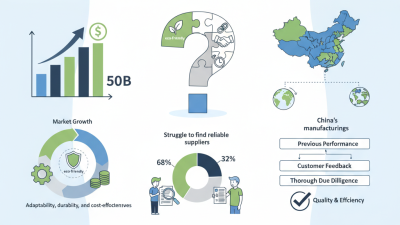
Moreover, the production process of thermoformed trays can vary. Not every technique guarantees the highest quality. Some methods may lead to inconsistencies in the product. This variability can affect a brand's reputation. Companies must choose reliable manufacturers to ensure premium packaging solutions. Ultimately, thermoformed trays present numerous advantages, but reflection on their sustainability and production quality is essential for informed decisions.
Benefits of Thermoformed Trays for Packaging: An Overview
Thermoformed trays are gaining recognition in packaging industries for several compelling reasons. Their lightweight nature significantly reduces shipping costs. Research indicates that lighter packaging can decrease transportation-related emissions by up to 30%. This aligns with growing sustainability goals in various sectors.
Moreover, thermoformed trays offer excellent design flexibility. Custom shapes and sizes can be produced to fit numerous products. An analysis by the Packaging Association notes that over 70% of companies prefer custom trays to ensure product safety and presentation. Yet, the process requires careful planning to avoid material wastage, revealing a potential pitfall in resource management.
Production efficiency is another noteworthy benefit. Thermoforming is a rapid process, often yielding trays in minutes. However, quality control remains critical. Minor defects in the trays can lead to major logistical issues. Industry data shows that companies reporting quality problems suffer up to 15% in lost revenue. Stakeholders must strive for a balance between speed and precision to maximize the advantages of thermoformed trays in their packaging solutions.
Benefits of Thermoformed Trays for Packaging
Cost-Effectiveness of Thermoformed Trays in Manufacturing Processes
Thermoformed trays have gained traction in various industries due to their remarkable
cost-effectiveness in manufacturing. According to a recent industry report, thermoforming can reduce production costs by
up to 30% compared to traditional packaging methods. The process allows for rapid production and minimal waste, which translates into savings for manufacturers.
This can be particularly valuable in competitive markets where margins are tight.
The lightweight nature of thermoformed trays also contributes to lower shipping costs.
Studies show that reducing packaging weight can save up to 10% in logistics expenses. Additionally, thermoformed trays provide excellent protection for products,
which reduces the risk of damage during transportation. Investing in quality packaging leads to fewer returns and losses, creating a more efficient cycle of production and distribution.
However, the initial investment in thermoforming equipment can be significant. Not all manufacturers may find it feasible early on.
It's essential to consider the specific needs of the products being packaged and the scale of production. A careful analysis of potential savings
against upfront costs can yield better outcomes. Balancing budgets while maintaining quality is not always straightforward, making it crucial to have robust data to inform decisions.
Impact of Thermoformed Trays on Product Protection and Shelf Life
Thermoformed trays are increasingly popular in packaging due to their protective qualities. They are designed to cradle products securely, minimizing damage during transport. The precision molding process ensures a snug fit for items, reducing movement. This is crucial for fragile products, which benefit from the cushioning effect of these trays.
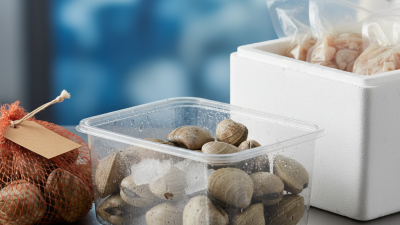
The impact on shelf life is notable. Thermoformed trays can be designed to provide airtight seals. This feature helps to preserve freshness, especially in food packaging. Advanced materials resist moisture and oxygen infiltration, extending the longevity of perishable items. In many cases, products may last significantly longer in thermoformed trays than in traditional packaging.
Here are some tips for ensuring maximum effectiveness with thermoformed trays: Choose the right thickness to match your product's fragility. A thicker tray provides better protection but may increase costs. Regularly assess the design to adapt to new products. This can improve efficiency and decrease waste. Always consider the environmental impact of your packaging materials. While thermoformed trays offer benefits, sustainability is becoming increasingly important.
Benefits of Thermoformed Trays for Packaging
| Benefit |
Description |
Impact on Product |
Impact on Shelf Life |
| Product Protection |
Thermoformed trays provide a snug fit around the product, reducing movement and risk of damage. |
Minimized risk of breakage or deformation during transport and handling. |
Helps to maintain the integrity of the product, prolonging freshness. |
| Customization |
Trays can be easily designed to fit various shapes and sizes, enhancing visual appeal. |
Improves presentation and branding opportunities for products. |
Custom designs can improve airflow and reduce humidity, positively affecting shelf life. |
| Sustainability |
Many thermoformed trays are made from recyclable materials, contributing to eco-friendly practices. |
Reduction of environmental impact aligns with consumer preferences for sustainable products. |
Sustainable materials can incorporate features that extend shelf life. |
| Cost-Effectiveness |
Economical in bulk production and material usage, reducing packaging costs. |
Lower overall costs can allow for better pricing strategies. |
Effective packaging minimizes losses due to damage, contributing to lower waste and costs. |
Sustainability and Environmental Considerations of Thermoformed Trays
Thermoformed trays offer unique advantages in sustainable packaging. These trays are often made from recyclable materials, contributing to a circular economy. According to the Thermoform Packaging Association, almost 70% of thermoformed products can be recycled. This high recyclability rate reduces waste and promotes the use of post-consumer materials.
Moreover, the production of thermoformed trays generally consumes less energy than traditional packaging methods. A study by the Sustainable Packaging Coalition highlighted that thermoforming could cut energy use by up to 80% compared to other processes. This energy efficiency leads to a smaller carbon footprint, addressing climate change concerns.
However, challenges remain. Not all thermoformed trays are created equal in terms of materials used. Some contain additives that can complicate recycling processes. Consumers may find it hard to identify recyclable options. Education on proper disposal is essential. Balancing convenience with sustainability metrics continues to require focused efforts from manufacturers and consumers alike.
Customization Capabilities and Design Flexibility of Thermoformed Trays
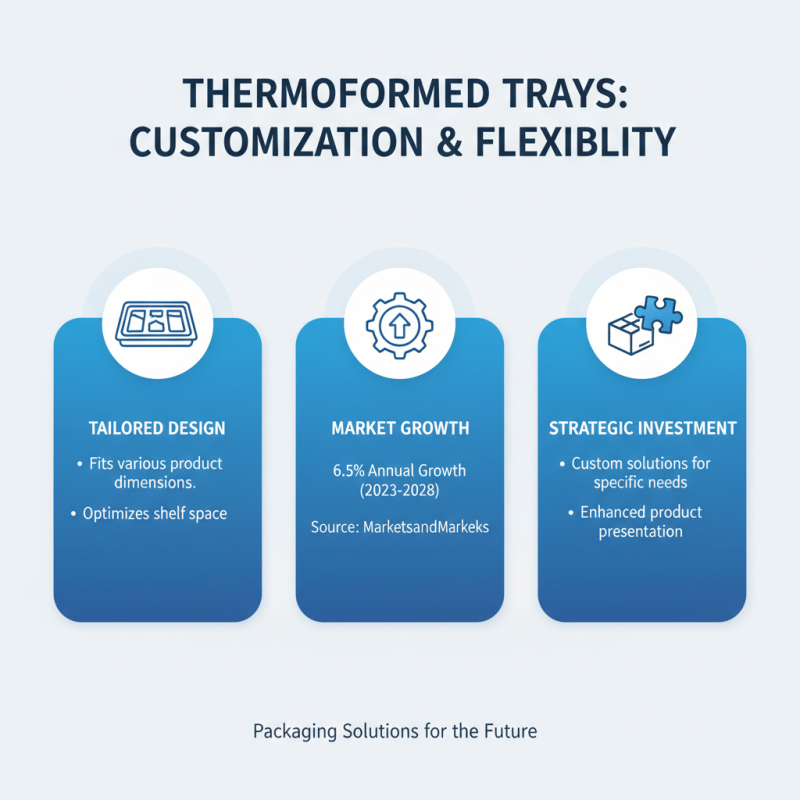
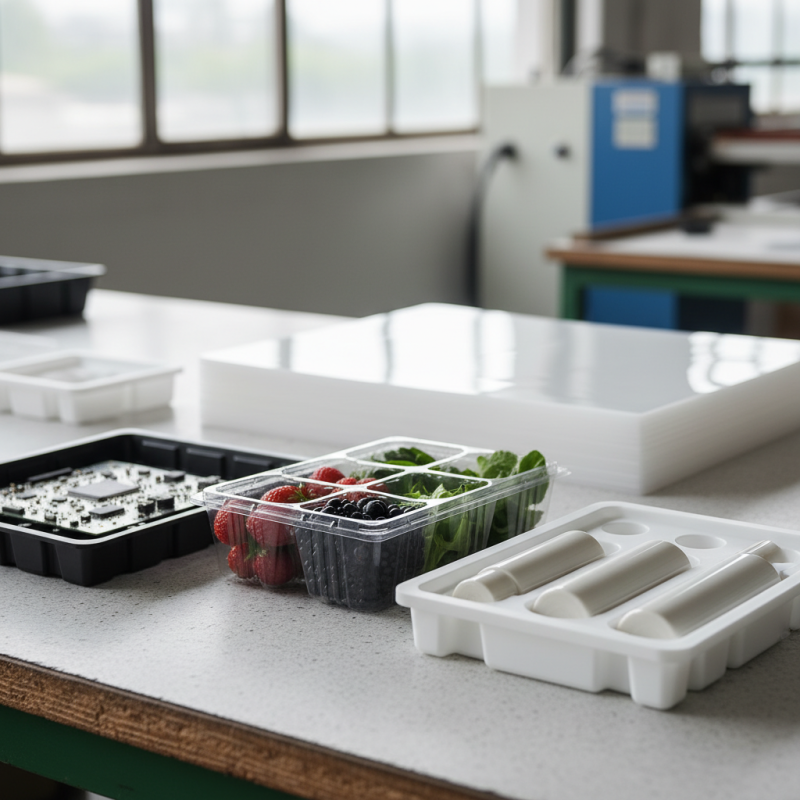
Thermoformed trays offer significant customization capabilities and design flexibility for packaging solutions. These trays can be tailored to fit various product dimensions. This versatility helps optimize shelf space and enhances product presentation. According to a report by MarketsandMarkets, the thermoforming market is projected to grow by 6.5% annually. Companies increasingly invest in custom-designed solutions to meet specific packaging needs.
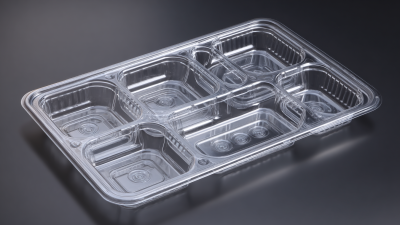
Thermoformed trays can accommodate diverse materials like PET, PVC, and PS. This variety allows businesses to choose the right material for their product's requirements. Notably, these trays can feature intricate designs, including compartments and custom shapes. A detailed study by Smithers Pira highlights that 70% of consumers prefer products with innovative packaging design. This trend signals a shift in the market toward more appealing and functional packaging.
Despite these advantages, challenges remain. The complexity of custom designs can lead to longer lead times and higher initial costs. Furthermore, there’s a risk of over-engineering products that don’t align with consumer preferences. Regular feedback from consumers can help mitigate this risk. Continuous improvement is essential in this fast-paced packaging industry. Balancing creativity with practicality can lead to successful outcomes.