2026 Best Blister Packaging Machine Choices for Your Business Needs?
In the competitive landscape of packaging, the choice of a blister packaging machine can significantly impact your business. This equipment not only ensures product safety but also enhances brand presentation. As you explore your options for 2026, consider features that meet your specific needs.
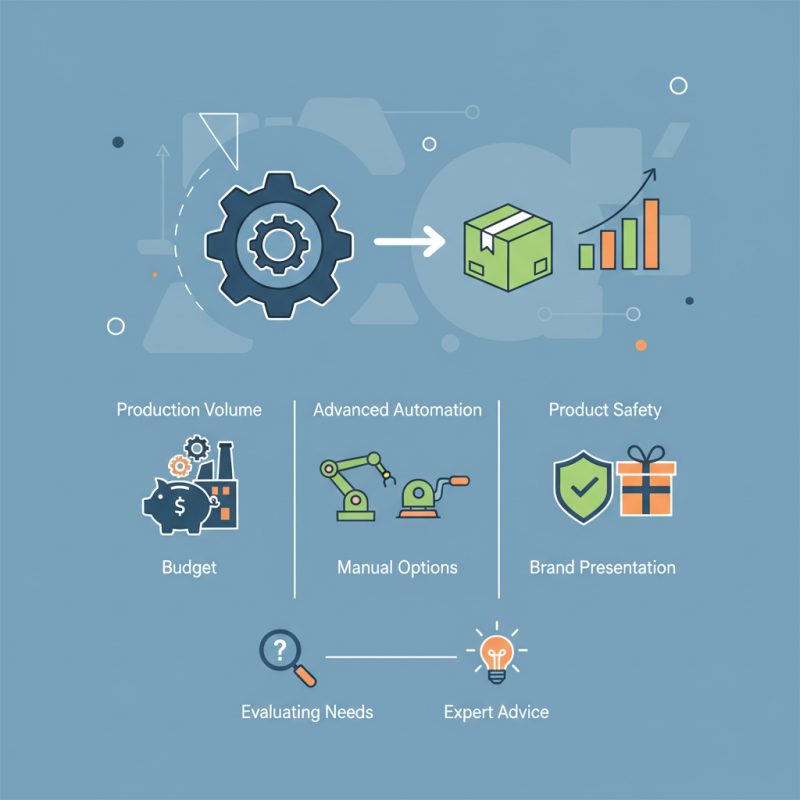
A blister packaging machine can vary widely in terms of technology and capabilities. Some machines may offer advanced automation. However, simpler, manual options are also available. It's crucial to reflect on your production volume and budget. The ideal machine balances efficiency and cost-effectiveness.
Investing in the wrong blister packaging machine can lead to wasted resources. This might hinder your operational workflow and reduce profit margins. Therefore, evaluating your unique requirements and seeking expert advice can guide your decision-making process. Choosing wisely could set your business apart from competitors.
Overview of Blister Packaging Machine Types for 2026
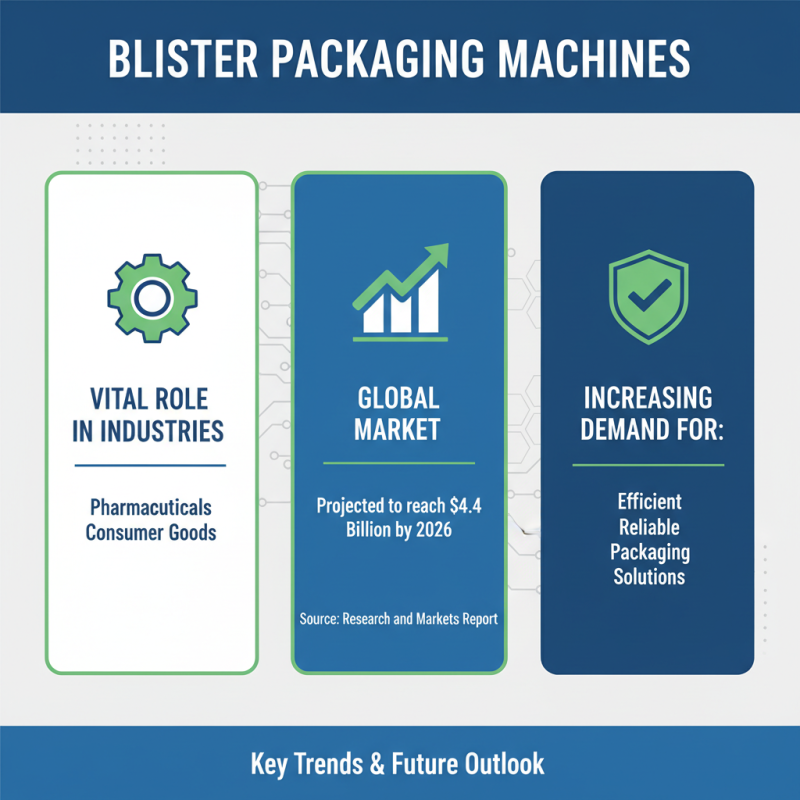
Blister packaging machines play a vital role in various industries, especially pharmaceuticals and consumer goods. According to a recent market report by Research and Markets, the global blister packaging market is projected to reach $4.4 billion by 2026. This growth highlights the increasing demand for efficient and reliable packaging solutions.
There are several types of blister packaging machines available in the market. The most common types include form-fill-seal machines, which form blisters directly from the film and fill them with product. Another type is the heat-seal machine, predominantly used in the pharmaceutical industry due to its product safety. The choice of equipment should align with specific production needs and material requirements. Not all machines suit every application. Some may lack flexibility, which can limit the types of products that can be packaged.
In 2026, considerations such as automation and ease of maintenance will greatly influence purchasing decisions. Industry reports suggest that around 30% of companies prioritize automation features. While modernization is essential, companies must also reflect on their existing processes. A high-speed machine might not always be the answer if current workflows aren't optimized. Balancing speed with quality remains a challenge for many businesses.
Key Features to Consider When Choosing a Blister Packaging Machine
When selecting a blister packaging machine, several key features merit close attention.
Capacity is one critical factor. Reports indicate that businesses with mid-range production needs often require machines capable of handling at least 200 units per minute. This ensures efficiency without sacrificing quality. Machines with adjustable speed settings can adapt to varying production scales, which is essential for growing businesses.
Another important feature is the type of sealing mechanism. A survey found that over 60% of manufacturers prefer machines with heat sealing capabilities due to their effectiveness. Moreover, compatibility with different materials, such as PVC and PET, can enhance versatility. This flexibility allows businesses to respond swiftly to changing market demands.
Ergonomics and ease of operation also deserve consideration. Many operators face challenges in using complex machinery. Machines with user-friendly interfaces can reduce error rates and training time. Additionally, maintenance requirements should not be overlooked. Frequent downtime for repairs can hamper productivity. Investing in machines with robust support infrastructure can mitigate these risks, ensuring a smoother operational flow.
Industry Standards and Regulations Impacting Blister Packaging in 2026
In 2026, blister packaging will continue to evolve under stringent
industry standards. Compliance with regulations ensures product safety and enhances customer trust.
The FDA and other regulatory bodies emphasize clear labeling
and packaging integrity. These guidelines are crucial for pharmaceuticals and consumer goods.
Non-compliance can lead to recalls and loss of reputation.
Tips for adhering to regulations: Always stay updated on local and global standards.
Schedule regular training for your packaging team. Clear communication
across departments can prevent costly errors.
Sustainability will also be a significant focus.
Many regulations now encourage eco-friendly materials. Choosing sustainable options may seem costly upfront.
However, it can lead to long-term savings and brand loyalty. Reflecting on current practices can reveal areas
for improvement. Are you using excess materials? Streamlining your processes
could benefit both your budget and the environment.
Cost-Benefit Analysis of Investing in Blister Packaging Technology
Investing in blister packaging technology can greatly enhance efficiency. However, businesses must analyze their needs carefully. High-quality machines can be costly, but they offer long-term savings. Lower production defects mean less waste and fewer returns. This is vital for improving profit margins.
Understand your production volume before making a decision. A smaller operation might benefit from a simpler machine. But larger productions require advanced features. Evaluate your product type as well. Some items need specialized packaging solutions. Pay attention to setup times and user-friendliness too. Complex machines can lead to more training time.
Tips: Always consider maintenance costs. Sometimes, a cheaper machine can turn out to be more expensive over time. Create a checklist of features that matter most to your business. Consider timelines for return on investment. A thorough analysis can steer you towards the right choice. Reflect on current packaging methods; they may be holding you back. Make gradual changes instead of rushing into major investments.
2026 Best Blister Packaging Machine Choices for Your Business Needs
| Machine Model |
Production Speed (Packaging/min) |
Cost ($) |
Material Compatibility |
ROI (Months) |
| Model A |
80 |
50,000 |
PVC, PET |
12 |
| Model B |
100 |
60,000 |
ALU, PVC |
10 |
| Model C |
70 |
55,000 |
PVC, PETG |
14 |
| Model D |
90 |
75,000 |
PVC, PET, ALU |
9 |
| Model E |
85 |
70,000 |
PET, ALU |
11 |
Top Manufacturers and Their Innovations in Blister Packaging Machines
Blister packaging has evolved significantly in recent years. Manufacturers are focusing on creating machines that enhance efficiency and reduce waste. A recent industry report indicates that the blister packaging market is expected to grow at a CAGR of 6.2% between 2023 and 2028. This growth is fueling innovations in design and functionality.
One notable trend is the integration of smart technology in blister packaging machines. These machines feature automated systems that improve production speed and accuracy. According to industry experts, the adoption of such technologies can increase output by up to 30%. However, not all manufacturers have adapted swiftly. Some still rely on outdated methods that can lead to inefficiencies. This gap highlights the need for continuous improvement in production processes.
Sustainability is another crucial aspect being addressed. Many manufacturers are now focusing on eco-friendly materials. However, the transition is not without challenges. Some sustainable materials do not perform as well in terms of barrier properties. This creates a dilemma for producers aiming to balance environmental concerns with product protection. Keeping an eye on innovations in this area will be essential for businesses looking to thrive.
2026 Best Blister Packaging Machine Choices Analysis