Best Clamshell Boxes for Packaging Solutions You Need?
When it comes to packaging, clamshell boxes stand out as a versatile solution. Their transparent design showcases products while providing protection. Businesses across various industries prefer clamshell boxes due to their practical benefits. They are not only sturdy but also easy to open and close. This functionality enhances the overall customer experience, making them a popular choice for product packaging.
Clamshell boxes come in numerous shapes and sizes, catering to diverse needs. New brands often struggle to choose the right packaging. This decision can significantly impact how customers perceive a product. With clamshell boxes, companies gain a chance to showcase their creativity and branding. However, it’s crucial to consider factors like material quality and sustainability. Many consumers today care about eco-friendly options.
While clamshell boxes offer great advantages, they can be pricey. Some users may find it challenging to balance cost with quality. Assessing whether the benefits outweigh expenses is essential for informed decision-making. Therefore, the selection process requires careful thought. Emphasizing both aesthetics and functionality ensures that clamshell boxes serve as effective packaging solutions.
Introduction to Clamshell Boxes and Their Benefits
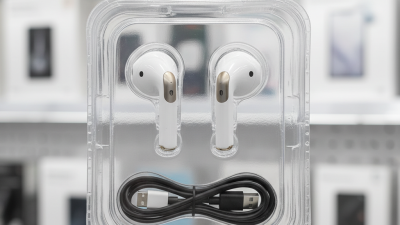
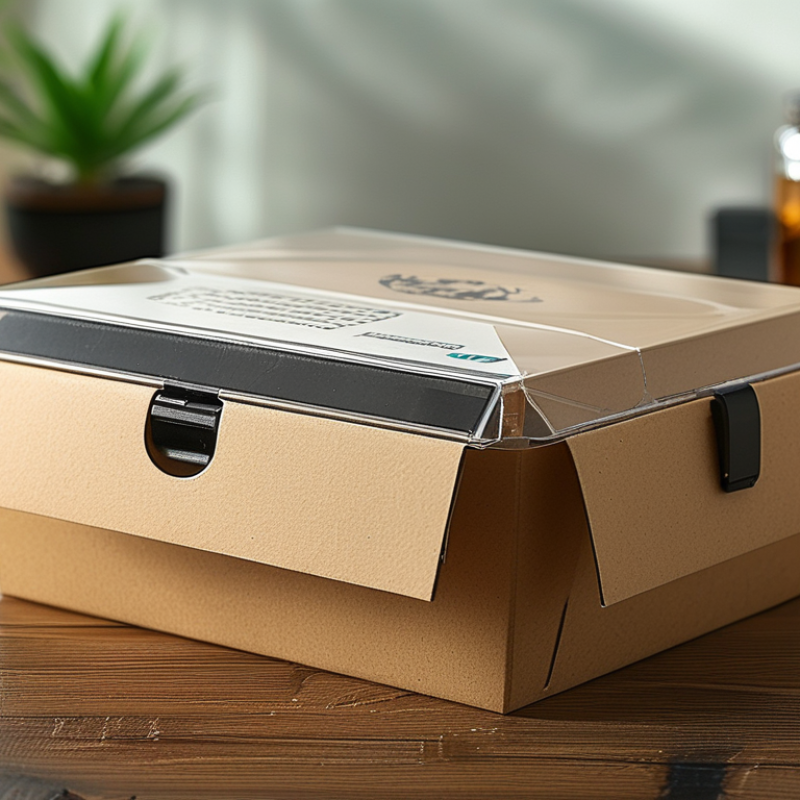
Clamshell boxes have become increasingly popular in the packaging industry. These versatile containers provide an effective solution for various products. Made from durable materials, clamshell boxes offer excellent protection against damage. Their transparent design showcases items beautifully, enhancing visibility for consumers. This transparency is crucial for attracting attention on store shelves.
One major benefit of clamshell packaging is its ease of use. Consumers can quickly access the products without hassle. However, some designs can be challenging to open. This might frustrate users and deter them from purchasing. It's important for designers to balance security and accessibility.
Sustainability is another consideration. Many clamshell boxes are recyclable, which aligns with eco-friendly practices. Still, manufacturers should be cautious about materials used. Overly complex packaging might impact recycling efforts. Continuous improvement in design and materials is essential for maximizing benefits. Proper evaluation and adjustments can lead to better user experiences and environmental responsibility.
Best Clamshell Boxes for Packaging Solutions You Need
| Box Size (Inches) |
Material Type |
Closure Type |
Customization Options |
Ideal For |
| 4 x 4 x 2 |
PET |
Snap Lock |
Print, Labels |
Food Packaging |
| 6 x 6 x 3 |
PVC |
Hinged |
Custom Shapes |
Electronics |
| 8 x 8 x 2 |
Recyclable Plastic |
Tabbed |
Window Cut, Printing |
Retail Products |
| 10 x 10 x 4 |
Polypropylene |
Secure Lock |
Full Color Print |
Gifts & Crafts |
Key Features to Look for in Quality Clamshell Packaging
When selecting clamshell packaging, it's essential to understand the key features that ensure quality and functionality. A well-crafted clamshell box should offer robust protection for its contents. According to a 2021 industry report, over 70% of consumers prefer packaging that is both secure and visually appealing. This indicates that your choice can significantly impact customer satisfaction.
Another critical aspect is material quality. Look for clamshells made from high-quality, recyclable materials. Studies show that environmentally friendly packaging options can increase brand loyalty among eco-conscious consumers. Additionally, transparency is vital; a clear view of the product enhances appeal and promotes trust.
To maximize the effectiveness of clamshell packaging, consider its size and design. An ill-fitting box can lead to product damage and increased returns. A study concluded that nearly 30% of returned items resulted from improper packaging. Be mindful of your product dimensions while ensuring ease of opening for users.
Experimenting with different shapes can also yield surprising results. Unique designs can attract attention on store shelves but require careful consideration to avoid overshadowing the product itself. Remember, the journey to perfect packaging is ongoing and may need adjustments based on customer feedback and performance metrics.
Different Materials Used for Clamshell Boxes
Clamshell boxes offer versatile solutions in packaging due to their various materials. The most common materials include plastic, cardboard, and eco-friendly alternatives. Each material has unique characteristics, affecting the final use of the packaging.
Plastic clamshells are durable and provide excellent visibility of contents. Reports indicate that they account for approximately 30% of the clamshell packaging market. However, they raise concerns about environmental sustainability. Consumers are increasingly focusing on recyclable materials. This shift emphasizes the need for alternative options.
Cardboard clamshells are gaining popularity as a more sustainable choice. Data reveals that the market for biodegradable packaging is projected to grow at a CAGR of 5.3% from 2021 to 2026. While cardboard is not as transparent as plastic, it can be customized easily. This adaptability makes it a favored option for brands wishing to display their commitment to sustainability. Yet, it’s crucial to ensure the right type of cardboard is used to maintain strength and longevity, highlighting an area for improvement in production practices.
Popular Applications of Clamshell Boxes in Various Industries
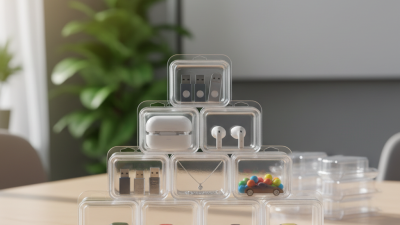
Clamshell boxes are becoming essential across various industries. They are known for their strength and versatility. These boxes are often used in food packaging, electronics, and retail. Their clear structure allows consumers to see the product before purchase. This transparency enhances the shopping experience. Retailers appreciate clamshell boxes for their easy stacking, making them space-efficient on shelves.
In the food industry, clamshell boxes store salads, sandwiches, and baked goods. Their airtight seals keep products fresh longer. Restaurants and cafes benefit from appealing designs that attract customers. These boxes also reduce waste, as many are recyclable. In electronics, clamshell packaging protects delicate devices. It prevents damage during transport and showcases the product effectively.
However, clamshell boxes have some drawbacks. They can be challenging to open, leading to customer frustration. It’s also vital to balance aesthetics with functionality. While an appealing design is crucial, the packaging must serve its purpose well. Overall, understanding these nuances helps businesses choose the best clamshell boxes for their needs.
Sustainability Considerations in Clamshell Box Production
Clamshell boxes are widely used for their convenience and protection. However, their production raises important questions about sustainability. Many boxes are made from plastic, which can contribute to environmental challenges. The industry is slowly shifting toward more eco-friendly materials, yet not all manufacturers prioritize this transition.
Recyclable materials are becoming more common. Some companies use biodegradable plastics. These alternatives reduce waste and lessen the impact on ecosystems. However, the production process can still be energy-intensive. Achieving true sustainability requires constant innovation and commitment from manufacturers.
Despite advancements, many products still end up in landfills. The disposal methods for clamshell boxes need improvement. Consumer awareness is crucial. Encouraging recycling and proper disposal can lessen environmental harm. As customers, we can demand better packaging solutions that prioritize sustainability. The path to an eco-friendly clamshell box relies on collaboration and transparency across the industry.
Sustainability Considerations in Clamshell Box Production
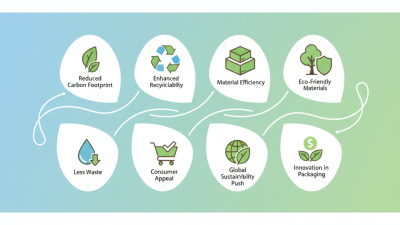
This chart illustrates the impact of various sustainable materials used in clamshell box production on carbon footprint reduction.