2026 Best Industrial Vision Inspection Trends at Canton Fair?
The upcoming 2026 Canton Fair is poised to be a hub for cutting-edge innovations, particularly in the realm of Industrial Vision Inspection. As industries evolve, the integration of advanced technologies into inspection processes is crucial. This year’s event will feature unparalleled advancements that promise to redefine quality control in manufacturing.
Attendees will encounter AI-driven solutions that streamline inspection tasks. The fair’s impressive 1.55 million square meters will showcase numerous vendors specializing in Industrial Vision Inspection technologies. Advanced imaging systems and automated quality checks stand out. They offer efficiency that was previously unattainable.
However, not all solutions are perfect. Some technologies may lack adaptability in diverse manufacturing environments. This invites reflection on how companies can balance innovation with practical applications. As we explore the trends at the Canton Fair, being aware of these imperfections might lead us to more robust industrial practices.
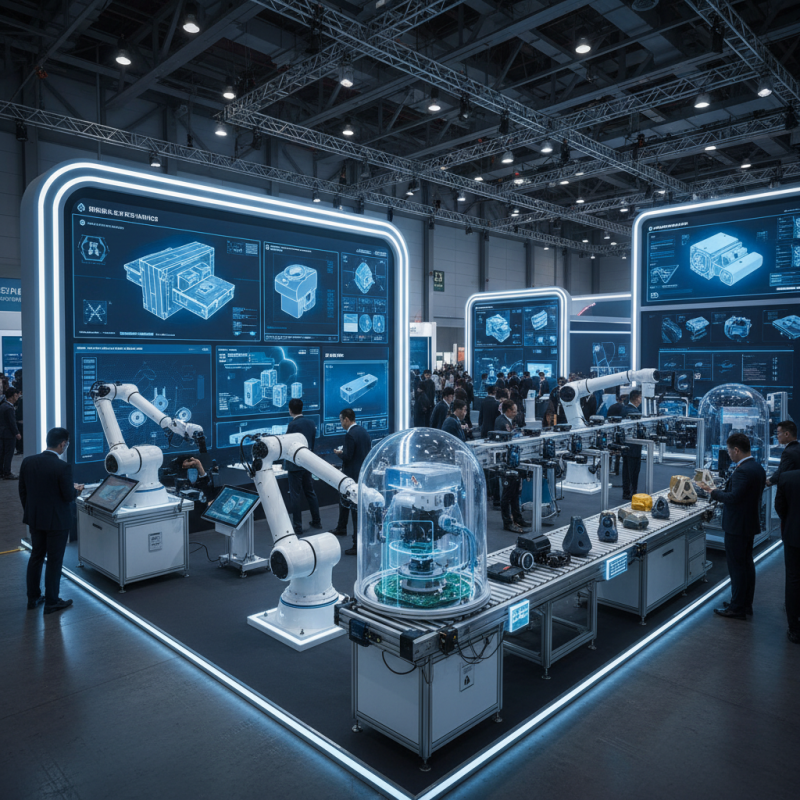
Overview of Industrial Vision Inspection Technologies at Canton Fair 2026
The Canton Fair 2026 is set to showcase cutting-edge industrial vision inspection technologies. This year, advancements focus on efficiency and precision. The use of AI and machine learning will enhance defect detection. Vision systems are evolving. They now offer faster analysis and greater accuracy.
A key trend is integration. Manufacturers are looking to incorporate vision systems directly into production lines. This can streamline workflows. Real-time data processing allows for immediate adjustments. By addressing issues on the spot, productivity can significantly increase.
TIP: Always evaluate how a new technology integrates with existing systems.
Another important consideration is scalability. Companies need solutions that can grow with them. Modular systems appear to be the answer. However, adapting these to specific needs requires careful planning.
TIP: Don’t rush implementation. Take the time to test new systems before full deployment.
As we move forward, collaboration among engineers, developers, and industry stakeholders will be crucial. Sharing insights can lead to innovative solutions. In the fast-paced world of industrial inspection, staying ahead of trends is vital.
Emerging Trends in Automation for Vision Inspection Systems
Emerging trends in automation for vision inspection systems are shaping the future of manufacturing. These systems are becoming smarter, leveraging advanced artificial intelligence to boost accuracy. For instance, deep learning algorithms can analyze images with remarkable precision. This technology reduces human errors in quality control.
Automation is also enhancing the speed of inspection processes. High-speed cameras can capture thousands of images per second. This rapid data collection allows for real-time analysis and feedback. Companies are now able to identify defects instantly. However, businesses must ensure that the implementation integrates well with existing workflows. Integration challenges can arise, disrupting production lines.
Furthermore, the advent of edge computing is noteworthy. Processing data closer to the point of capture reduces latency. It also minimizes bandwidth usage, which is crucial for large-scale operations. Despite these advantages, there are concerns about cybersecurity. Systems that rely on cloud computing are susceptible to breaches. Manufacturers must continually assess the security of their vision inspection systems. Balancing innovation with security is an ongoing challenge.
Integration of AI and Machine Learning in Industrial Vision Solutions
The integration of AI and machine learning in industrial vision solutions is revolutionizing the landscape. During the Canton Fair, many showcased new technologies. These innovations streamline inspection processes, improving accuracy and efficiency.
AI algorithms can identify defects in real-time. They analyze images with great precision. However, the reliance on these technologies raises questions. What happens when the algorithms misidentify a product? There can be costly consequences for manufacturers.
Machine learning systems require vast amounts of data. This data must be diverse and representative. If the dataset is biased, the results may lead to flawed inspections. Implementing continuous learning cycles is essential. Companies must learn from errors to enhance their systems. Balancing automation with human oversight remains crucial to minimize risks.
Importance of Real-time Data Analysis in Quality Control Processes
Real-time data analysis is crucial in quality control processes within industrial vision inspection. Accurate data helps identify defects immediately. This leads to reduced waste and increased operational efficiency. According to a recent industry report, companies that utilize real-time analytics experience a 25% decrease in production errors.
Incorporating advanced data analysis tools can streamline inspection workflows. This results in faster problem detection. Consistent monitoring creates a feedback loop that enhances product quality. However, not all organizations leverage these technologies effectively. Some may struggle with data integration, leading to missed opportunities for improvement.
Tips: Implement small-scale pilot projects to test the effectiveness of real-time analysis. Assess the technology used and track its impact. Regularly review processes for optimization. Even minor adjustments can significantly improve outcomes.
2026 Best Industrial Vision Inspection Trends
This bar chart illustrates the top five trends in industrial vision inspection for 2026, focusing on the importance of real-time data analysis in quality control processes.
Future Prospects for Vision Inspection in Manufacturing Industries
The future of vision inspection in manufacturing holds significant promise. Recent reports indicate that the industrial vision inspection market is projected to exceed $3 billion by 2025, driven by increasing automation. As manufacturing processes evolve, the demand for precision and quality control intensifies. Yet, with advancements come challenges.
Many companies struggle to implement vision systems effectively. Data shows that around 40% of manufacturers face integration issues. This hampers productivity and creates bottlenecks. A detailed examination of operational workflows reveals that lack of training and support often leads to underutilization of technology. Companies must address these gaps to leverage the full potential of vision inspection.
Furthermore, the transition to Industry 4.0 requires adaptability. The integration of AI and machine learning can enhance vision systems, but adopting these technologies is not always straightforward. Industry analysis reflects that only 25% of companies have successfully integrated AI into their vision inspections. This presents an area ripe for improvement.
Manufacturers must prioritize ongoing training and strategic planning to navigate this evolving landscape effectively.