Why Choose the Best Shipping Trays for Your Business Needs?
Choosing the right shipping trays is essential for any business. The quality and design of these trays can directly impact efficiency and customer satisfaction. Shipping trays play a crucial role in protecting products during transit. When selecting shipping trays, consider the materials used. Durable materials ensure safety. However, not all materials are equal in performance.
Many businesses overlook the specific needs of their products. Customizing shipping trays can provide better protection and branding opportunities. A well-chosen tray can enhance your product’s presentation. Yet, businesses often face challenges in determining the right type. Cost-effectiveness also matters. It's a balancing act between quality and expenditure.
Relying on expert advice can guide your decision. Look for suppliers with a proven track record. Their recommendations can help you avoid common pitfalls. Remember, the right shipping trays might seem like a minor detail, but they can significantly influence your brand's reputation and operational success.
Understanding Different Types of Shipping Trays Available in the Market
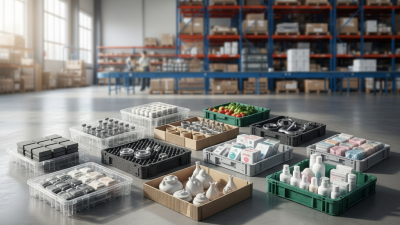
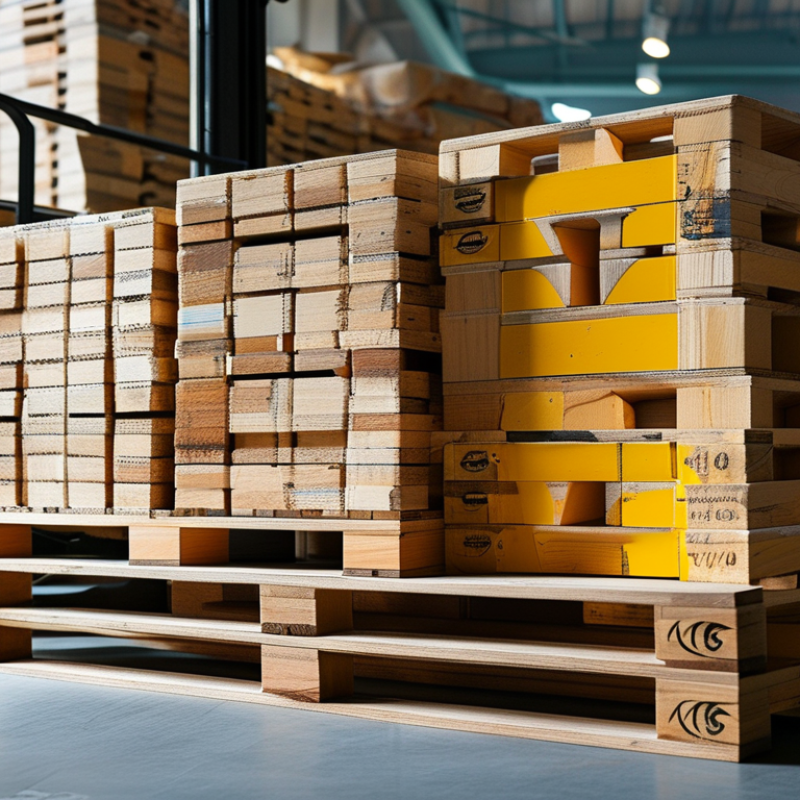
When it comes to shipping trays, the options can be overwhelming. Various materials are used to create trays, including cardboard, plastic, and wood. Each type has its own unique advantages and drawbacks. Cardboard trays are lightweight and cost-effective, making them ideal for many businesses. However, they may not withstand moisture or heavy loads as effectively as plastic options.
Plastic shipping trays are durable and moisture-resistant. They provide better protection for items during transit. However, these trays can be more expensive compared to cardboard. Wood trays offer a sturdy solution and are reusable, but they can add significant weight. Businesses must weigh these factors carefully when selecting trays.
The choice between these options also depends on the products being shipped. Fragile items may require padded trays for added protection. On the other hand, bulkier items might need sturdier materials that can handle weight. Additionally, environmental considerations are becoming increasingly important. Many companies are now looking for eco-friendly options. Balancing cost, durability, and environmental impact can be a complex process. Each business must assess its unique needs before making a decision.
Evaluating the Impact of Shipping Trays on Product Safety and Damage
Shipping trays play a vital role in ensuring product safety during transit. Data from the Packaging Association shows that 30% of products are damaged in shipping due to inadequate packaging. Choosing the right shipping tray can significantly reduce these incidents. Strong, durable trays provide better protection. They prevent breakage and minimize waste, ultimately saving costs.
Moreover, custom packaging design enhances product safety. According to research from the Institute of Packaging Professionals, 70% of businesses reported reduced damages after optimizing their packaging strategies. Each product type may require different solutions. For example, fragile items need molded trays that cradle the product tightly. In contrast, bulkier items might benefit from stackable trays that maximize space.
However, not all shipping trays are created equal. Too often, companies use generic solutions, leading to inefficiencies. Oversized trays can lead to movement within the package, while undersized trays increase the risk of damage. Reflecting on packaging choices is crucial for long-term success. Companies must prioritize reliable sources that provide the best shipping trays for their specific needs.
Cost-Benefit Analysis: Choosing the Best Shipping Trays for Your Budget
When analyzing the cost-benefit ratio of shipping trays, several factors come into play. It’s essential to assess durability and material. Strong trays may cost more upfront but can save money over time by reducing breakage during transit. This consideration is critical, especially for fragile items.
Investing in the right shipping trays creates efficiencies in handling and storage. Consider how trays stack and store. Efficient stacking reduces storage space and can lower costs. Sometimes, opting for a less expensive tray leads to complications that increase shipping times. Reflect on these trade-offs before making a decision.
Choosing trays that fit your product size is also crucial. Inappropriate sizes can lead to poor protection or increased shipping costs. Always measure and calculate the dimensions needed before purchasing. With each tray, think about its lifetime and return on investment. Shipping trays aren't just an expense; they can contribute to a more streamlined operation when selected wisely.
Sustainability in Shipping Trays: Environmentally Friendly Options to Consider
Sustainability in shipping trays is becoming increasingly important for businesses. Consumers are more aware of environmental issues. Using eco-friendly shipping trays can enhance your brand image. Many companies are now exploring biodegradable and recyclable materials for their packaging. These options can reduce waste significantly.
Consider selecting materials like recycled cardboard or molded pulp. These materials are often strong and lightweight. They also minimize the use of plastic. Some businesses have reported a reduction in shipping costs by using sustainable trays. This can lead to better profitability while being environmentally conscious.
Remember to evaluate the suppliers carefully. Look for those who prioritize sustainability in their manufacturing processes. Ensure that they follow ethical practices. Transparency is crucial in choosing your partners. You may find that some eco-friendly options do not perform well under certain conditions. Testing is essential to maintain your product integrity. Overall, incorporating sustainable shipping trays is a step toward a greener future.
Enhancing Efficiency: How Proper Shipping Trays Can Streamline Operations
Choosing the right shipping trays can significantly enhance operational efficiency.
Properly designed trays provide stability during transport. They reduce product damage, ensuring that items arrive intact.
Streamlined operations lead to quicker turnaround times and happier customers. The right materials can also offer weight savings, making shipping more economical.
Adopting customized trays can address specific business challenges. For instance, tailored dimensions ensure a snug fit for products.
This prevents movement during transit. However, not all businesses take the time to assess their needs.
Many stick to standard solutions, which may not provide the best results. It’s crucial to reflect on packaging choices regularly.
Efficient shipping is linked to overall business success. When shipping processes are flawed, it reflects on customer satisfaction.
A single damaged shipment can impact brand reputation. Investing in high-quality shipping trays can prevent such issues.
While there is an upfront cost, the long-term benefits often outweigh the initial investment.
Proper trays streamline operations and minimize headaches down the line.