Best Thermoform Packaging Solutions for Global Buyers?
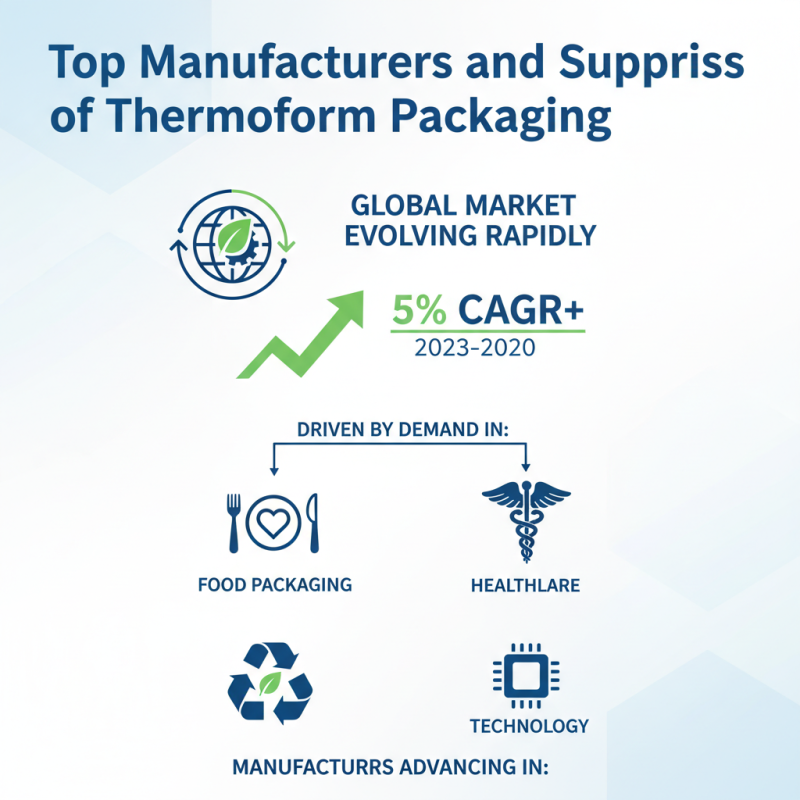
Thermoform packaging has become essential for industries seeking efficient and sustainable solutions. According to a recent report by Smithers, the global thermoform packaging market was valued at approximately $40 billion in 2022, with steady growth projected over the next five years. This growth reflects a rising demand for lightweight, versatile packaging options.
Expert Johnathan Reed, a leader in the thermoform packaging sector, asserts, "Innovative design in thermoform packaging not only enhances product visibility but also reduces material waste." This highlights the industry’s focus on sustainability. However, challenges remain. Many producers still struggle with balancing costs and innovations.
Quality and adaptability are crucial in selecting thermoform packaging solutions. Buyers must assess their specific needs while navigating evolving market trends. Some companies rely heavily on standard designs, limiting their potential. As the demand for customized solutions rises, staying ahead in thermoform packaging will require reflection and adaptation.

Overview of Thermoform Packaging and Its Applications
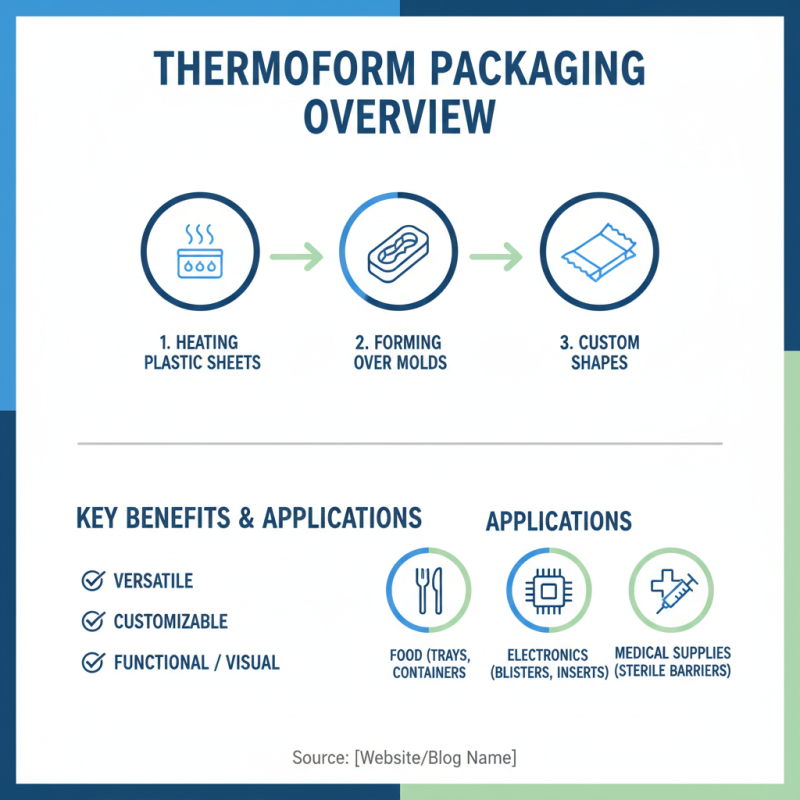
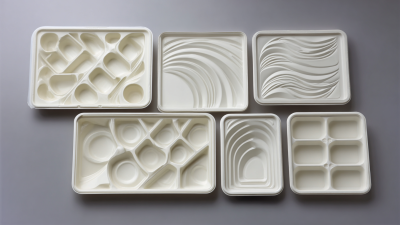
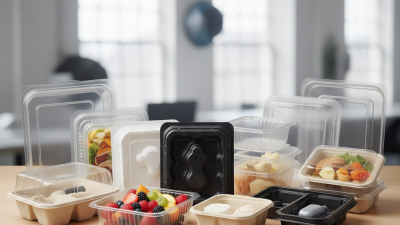
Thermoform packaging is gaining popularity across various industries. This technique involves heating plastic sheets until pliable, then forming them over molds. The process creates custom packaging solutions that are both functional and visually appealing. Buyers appreciate the versatility of thermoforming. It accommodates different product shapes and sizes, making it suitable for food, electronics, and medical supplies.
Quality is critical in thermoform packaging. Proper thickness and material selection can enhance durability. However, not all thermoformed products may meet performance or sustainability standards. This inconsistency can lead to challenges for global buyers. It is vital to consider manufacturers' expertise and materials used. Relying on experienced suppliers ensures better quality control.
Eco-friendliness is another important aspect. While many thermoform materials are recyclable, some may not be. Buyers need to investigate the environmental impacts of their choices. Transparency in sourcing materials becomes crucial. Engaging with professional packaging experts can aid in making informed decisions. Understanding these nuances allows for better alignment with market needs and consumer expectations.
Key Benefits of Using Thermoform Packaging Solutions
Thermoform packaging offers myriad benefits, making it an appealing choice for global buyers. This packaging method is known for its versatility. It can be molded into various shapes, accommodating diverse products. According to research from Smithers Pira, the thermoforming market is projected to reach $15.9 billion by 2025. This growth reflects increasing demand across industries.
One notable advantage is cost-effectiveness. Thermoformed packaging reduces material waste significantly. Reports indicate that it can lower costs by up to 30% compared to traditional methods. Additionally, thermoforming is efficient. It requires less energy during production, which aligns with growing sustainability goals. However, despite its advantages, potential challenges exist. Quality control is crucial. Flaws in the molding process can lead to product issues. Manufacturers must invest in robust quality assurance to mitigate this risk.
Another key benefit is protection. Thermoformed packages shield products from external elements. This is vital in industries like food and pharmaceuticals, where safety is paramount. According to a report by Allied Market Research, the thermoformed packaging market in the food sector was valued at $5.87 billion in 2020. However, adaptation to changing regulations can be demanding. Companies must stay informed and agile to comply with new standards. Entering international markets requires careful consideration of these factors.
Factors to Consider When Choosing Thermoform Packaging
When choosing thermoform packaging, several factors demand careful consideration. Material selection is crucial. Many industries prefer PET due to its recyclability. Research indicates that around 80% of consumers prioritize sustainable packaging, pushing brands to adopt eco-friendly practices. Understanding the properties of materials can enhance performance and cost-effectiveness.
Design is another significant aspect. It should ensure product protection while maximizing shelf appeal. Industry data shows that attractive packaging can increase sales by up to 30%. Yet, balancing aesthetics with functionality remains a challenge. Testing prototypes can reveal whether a design meets both needs effectively.
Moreover, the manufacturing process impacts both quality and cost. Advanced technologies such as vacuum forming and pressure forming can significantly affect production efficiency. However, finding the right supplier is vital. The wrong choice could lead to product damage, resulting in financial losses. Quality assurance measures are essential to safeguard against such risks.
Emerging Trends in Thermoform Packaging for Global Markets
Emerging trends in thermoform packaging highlight the need for innovation and sustainability in global markets. One significant trend is the shift towards biodegradable materials. As consumers increasingly advocate for eco-friendly products, brands are exploring alternatives to traditional plastics. This creates a complex challenge for manufacturers. They must balance performance with environmental responsibility.
Another critical trend is customizability. Brands seek to differentiate themselves through unique packaging designs. Innovative thermoform techniques allow for intricate shapes and sizes, catering to a wide range of products. This focus on aesthetics and functionality can enhance brand perception and consumer loyalty. Yet, it raises questions about production efficiency and cost management.
Automation in the packaging process also trends upward. More companies invest in advanced machinery to improve efficiency and accuracy. While automation can streamline operations, it may lead to job displacement. This raises ethical concerns about the workforce's future in packaging industries. Addressing these challenges requires dialogue between stakeholders, offering potential solutions that consider both innovation and social responsibility.
Best Thermoform Packaging Solutions for Global Buyers? - Emerging Trends in Thermoform Packaging for Global Markets
| Region |
Material Type |
Market Demand (%) |
Key Applications |
Growth Rate (CAGR) |
| North America |
PET |
35% |
Food Packaging, Medical Supplies |
4.5% |
| Europe |
PVC |
30% |
Electronics, Consumer Goods |
3.8% |
| Asia Pacific |
PS |
40% |
Pharmaceuticals, Food Services |
6.2% |
| Latin America |
PLA |
20% |
Bio-based Products, Food Packaging |
5.0% |
| Middle East & Africa |
PP |
15% |
Packaging Solutions, Automotive |
3.5% |