
Best Tray Sealer for Your Business Needs in 2026?
As the food industry continues to evolve, businesses must adapt to new packaging solutions. One essential tool in this transformation is the tray sealer. With advancements in technology, the right tray sealer can enhance product freshness and extend shelf life. Choosing a tray sealer requires careful consideration of your specific needs.
Every business has unique packaging requirements. What works for one may not suit another. Factors like volume, product type, and budget play a crucial role in this decision. The ideal tray sealer will streamline your packaging process and maintain product integrity. Yet, many businesses overlook the importance of investing in quality equipment.
This guide will explore the best tray sealers available in 2026. The selection criterion includes reliability, efficiency, and user experience. Investing in the right machine can significantly impact your operations. Embrace this opportunity to reflect on your current setup. Explore what you truly need in a tray sealer to meet future demands.
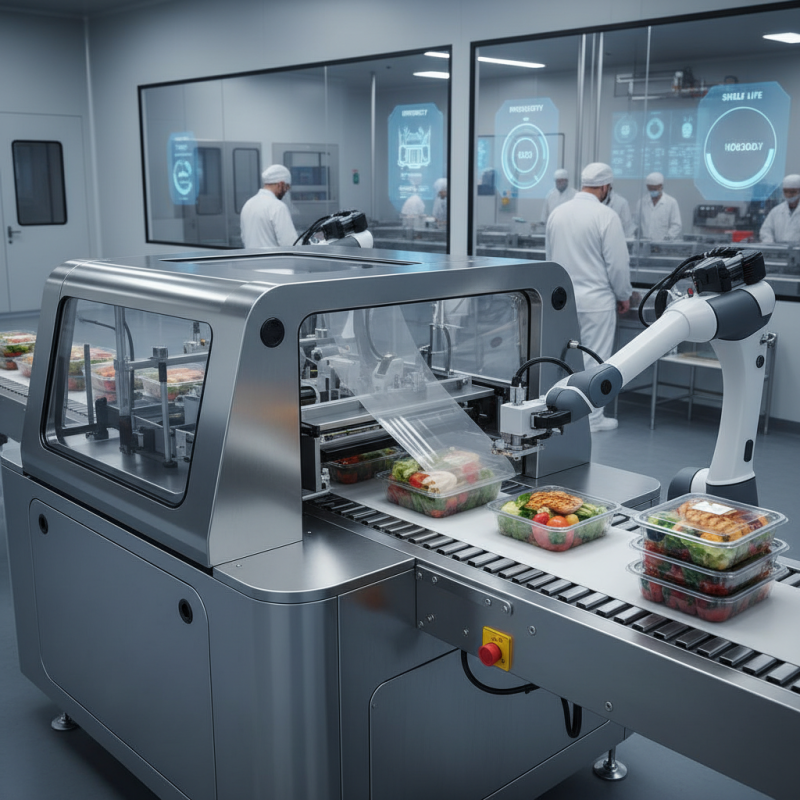
Understanding Tray Sealers: Types and Applications for Businesses
Tray sealers are essential tools in the food packaging industry, ensuring products remain fresh and safe for consumption. In 2026, understanding the different types and their applications will enhance business operations. There are several types of tray sealers, including manual, semi-automatic, and automatic machines. Each type serves specific needs depending on production scale and budget constraints.
According to industry reports, the global food packaging market is projected to grow by 4.7% annually. This trend suggests that investing in high-quality tray sealers can significantly improve packaging efficiency. Businesses must choose a tray sealer that aligns with their production volume. Manual sealers may suffice for smaller businesses, while larger operations often require automatic machines to keep up with demand.
Tips: Regular maintenance is crucial for optimal performance. Neglecting this can lead to inefficiencies and increased costs. Training staff on proper sealing techniques also enhances product quality. Remember, the wrong choice in sealing machinery can hamper productivity. Take time to assess your specific requirements before making a decision. The right equipment will pay off in the long run.
Best Tray Sealer for Your Business Needs in 2026
| Type of Tray Sealer | Application | Production Speed (Trays per Hour) | Typical Material Used | Price Range ($) |
|---|---|---|---|---|
| Semi-Automatic Tray Sealer | Food Packaging | 300-600 | Plastic, Aluminum | 2,000 - 5,000 |
| Fully Automatic Tray Sealer | Pharmaceuticals, Food | 600-1200 | Plastic, Paper, Foil | 15,000 - 30,000 |
| Thermoforming Tray Sealer | Ready Meals, Produce | 200-500 | PVC, PET | 10,000 - 20,000 |
| Vacuum Tray Sealer | Meat, Seafood | 100-300 | Plastic, Composite | 7,000 - 15,000 |
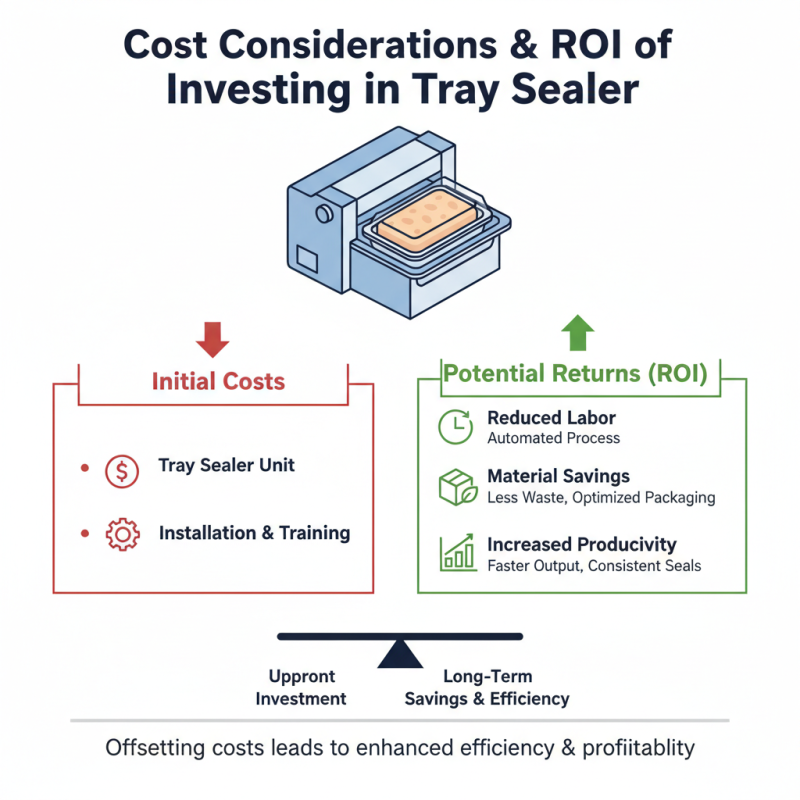
Related Posts
-

The Future of Food Safety How Tray Sealer Packaging Machines Are Revolutionizing the Industry
-
Top Tray Sealing Machine Innovations at Canton Fair 139?
-

Exploring Innovations in Automatic Tray Sealing Machines at the 138th Canton Fair 2025
-
2025 Guide: How to Choose the Best Tray Sealer for Your Business Needs
-
Exploring Sustainable Solutions: The Advantages of Thermoformed Packaging Trays in Modern Manufacturing
-

Exploring the Benefits of Using an Automatic Blister Packing Machine in Modern Manufacturing