Why Choose a Blister Packing Machine for Your Packaging Needs?
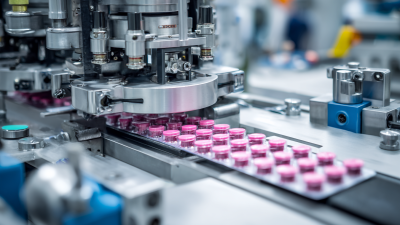
In today's competitive market, packaging plays a crucial role in product success. A blister packing machine stands out as a preferred choice for many manufacturers. This innovative technology offers various advantages that can enhance product presentation and protect its integrity. Companies looking to optimize their packaging process need to understand the benefits of using a blister packing machine.
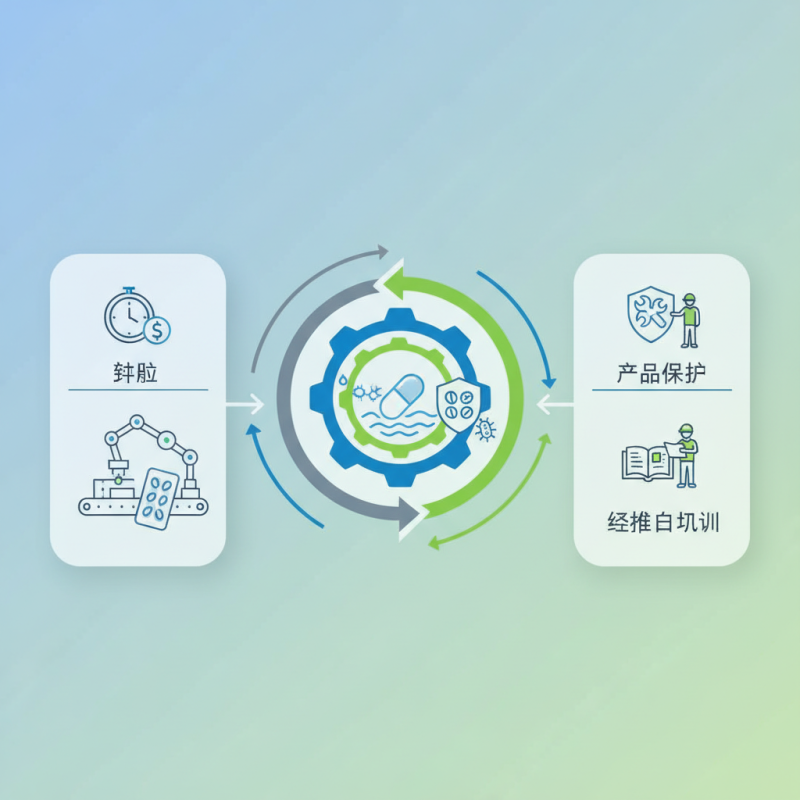
One key point is efficiency. These machines automate the packing process, which can save time and reduce labor costs. Moreover, blister packs provide an excellent barrier against environmental factors. They keep products safe from moisture, light, and contamination. However, achieving this requires selecting the right materials and machine settings.
While the benefits are clear, some companies may overlook the importance of maintenance and training. Proper operation is essential for maximizing the machine's capabilities. It's not just about having a blister packing machine; it's about knowing how to use it effectively. Understanding these considerations can lead to significant improvements in packaging and overall productivity.
Advantages of Blister Packing Machines in Modern Packaging
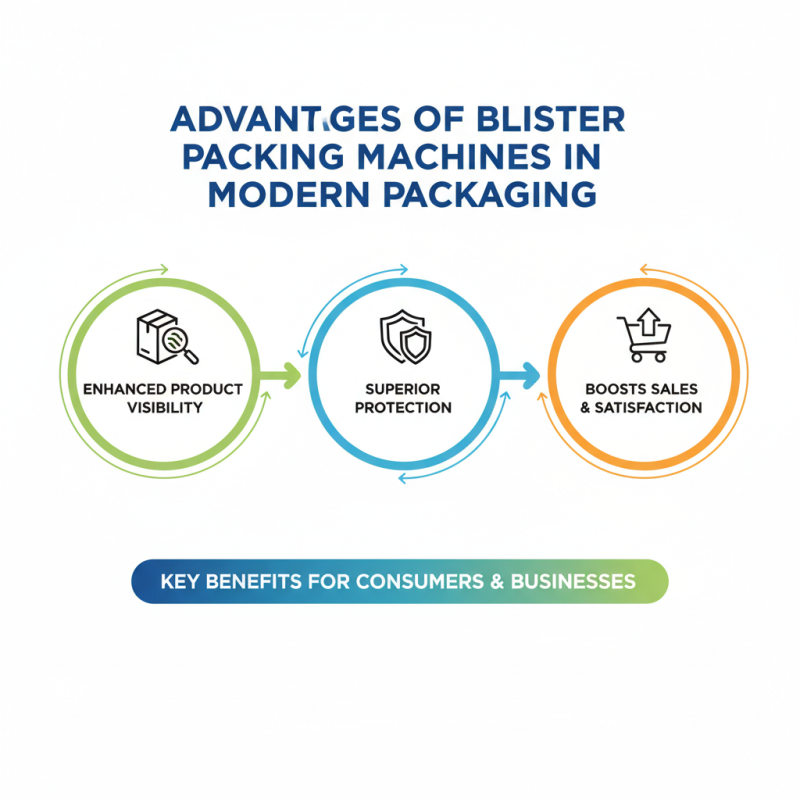
Blister packing machines offer distinct advantages in modern packaging. They enhance product visibility while providing excellent protection. This dual benefit is crucial for consumer satisfaction. Products packaged in blisters are easily seen, which can boost sales.
These machines are versatile. They accommodate various materials, including plastics and aluminum. This flexibility is beneficial for businesses with diverse product lines. However, customizing the packaging process may require additional planning and investment. It’s important to weigh these considerations before making a choice.
Tips: Ensure your products fit snugly in blister packs. A poor fit can lead to damage during transport. Regular maintenance of blister packing machines is essential. This can prevent downtime and ensure consistent quality. Many companies overlook this vital step.
Another benefit is the efficiency of the packaging process. Blister packing machines can produce high volumes quickly. However, high-speed operations may lead to packing errors. Monitoring production closely can help address these issues promptly. Maintaining quality in fast-paced environments is a challenge that must not be ignored.
Types of Products Suitable for Blister Packaging
Blister packaging is ideal for a wide range of products, particularly in the pharmaceutical and consumer sectors. According to a report by MarketsandMarkets, the blister packaging market is projected to reach USD 25.9 billion by 2025. This growth indicates a rising trend in its use across various industries. Medications, vitamins, and supplements are commonly packaged in blisters. This type of packaging offers protection against moisture and tampering, ensuring product integrity.
Cosmetics and small consumer goods also like blister packaging. Items such as batteries, toys, and electronic accessories benefit from it. The visibility provided by blisters can attract buyers. However, not all products are suited for blister packaging. Items needing refrigeration or those with very high variability in size may pose challenges.
Cost is another consideration. Blister packaging can be more expensive than traditional methods. However, the benefits of enhanced protection and better display often justify the investment. Companies should weigh these factors carefully against their specific needs and budget constraints. It's important to analyze if the investment aligns with product lifecycle and customer expectations.
Key Features to Consider When Choosing a Blister Packing Machine
When choosing a blister packing machine, there are several key features to consider. One crucial aspect is the machine’s versatility. A good blister packing machine can handle different product sizes and shapes. This flexibility allows manufacturers to switch between products without significant downtime. It’s essential to assess how the machine can adapt to your specific needs.
Another important factor is the speed and efficiency of the machine. High-speed machines can significantly increase production rates. However, this often comes at the expense of precision. You should evaluate whether the machine meets your production demands while maintaining a low error rate. Reliable machines may also offer better long-term savings and lower maintenance costs.
Pay attention to the user interface as well. A simple, intuitive interface can enhance operator efficiency and reduce training time. However, some machines have overly complex controls that can frustrate users. Check reviews and seek feedback from operators to understand the usability of different models. Reliability is paramount, so investing time in research will pay off in the long run.
Cost-Effectiveness of Blister Packing Technology
Blister packing technology has gained traction due to its cost-effectiveness. With the global market projected to reach $29 billion by 2025, companies are increasingly opting for this method. Blister packs reduce material costs significantly. They use less packaging material compared to traditional methods. This results in lower waste and environmental impact.
In addition to material savings, blister packing enhances product longevity. Studies show that properly sealed blister packs can extend shelf life by up to 50%. This not only benefits manufacturers but also consumers. Reduced spoilage means less financial loss overall. Many organizations are re-evaluating their packaging strategies to include blister technology.
However, it's essential to know that transitioning to blister packing is not without challenges. There may be initial setup costs and training required. Some companies struggle with the technology adaptation. Finding skilled operators can be difficult, especially in emerging markets. Despite these challenges, the long-term benefits often outweigh the initial hurdles encountered.
Cost-Effectiveness of Blister Packing Technology
Future Trends in Blister Packaging and Machine Development
The future of blister packaging is evolving rapidly. Industry reports indicate that the global blister packaging market is projected to reach $32.9 billion by 2027, growing at a CAGR of 6.1%. This growth is driven by increased demand in the pharmaceutical, food, and consumer goods sectors. As sustainability becomes a priority, manufacturers are focusing on eco-friendly materials. Advanced materials not only enhance product safety but also reduce environmental impact.
Technological advancements play a crucial role in machine development. Smart blister packing machines are becoming more prevalent, featuring automation and AI capabilities. These machines improve efficiency and reduce labor costs. For instance, the integration of IoT allows for real-time monitoring of the packaging process. Reports suggest that businesses adopting these technologies can reduce waste by up to 25%.
However, challenges remain. Many manufacturers struggle with the high initial investment in these advanced machines. Additionally, the need for skilled labor to operate new technologies complicates the transition. Companies must balance innovation with practicality to remain competitive. As trends continue to evolve, the blister packaging industry will reflect these shifts in technology alongside sustainability concerns.