Choosing the right plastic clamshells can be challenging. Industry expert Dr. Linda Carter, a packaging consultant, emphasizes, "Always evaluate your product and display needs." This advice highlights the importance of understanding specific requirements.
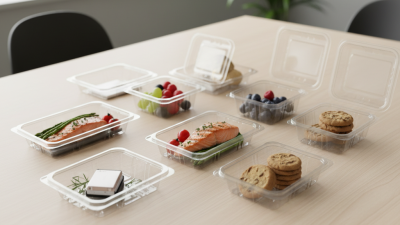
Plastic clamshells come in various shapes and sizes. Selecting the best option means knowing the dimensions and weight of your product. Misjudging these factors can lead to poor packaging choices. Additionally, consider the intended use. Are these clamshells for retail displays or storage?
Another aspect to ponder is visibility and accessibility. Clear clamshells can showcase your product effectively. However, some designs may impede view or access. Reflecting on these shortcomings can help refine your choices and meet customer expectations.

When selecting plastic clamshells for packaging, several factors come into play. The type of product you intend to package is crucial. Clamshells come in various shapes and sizes. You need one that fits your product perfectly. An ill-fitting clamshell can lead to product damage. This is an aspect often overlooked but essential for protecting your goods during transit.
Material quality matters significantly. Not all plastic clamshells are created equal. Some provide better protection or visibility than others. Consider the thickness and durability of the plastic. Thinner clamshells may save costs but could compromise safety. Additionally, think about the clarity of the material. It should not just look good but also allow customers to see the product clearly.
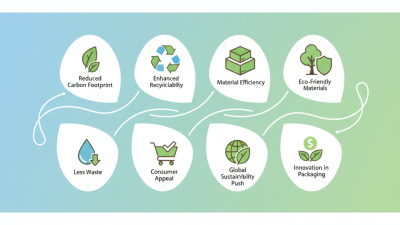
Finally, think about your environmental impact. Are the materials used recyclable? Some clamshells are more eco-friendly than others. This is an important consideration for many consumers today. Balancing these factors can feel overwhelming. Reflection on your specific needs is necessary. What works for one company may not be suitable for another. Choose wisely for both your product and the environment.
When selecting plastic clamshells, understanding the materials is vital. Different plastics serve various purposes. Polypropylene (PP) is popular due to its durability and resistance to moisture. It’s great for food packaging. However, it’s not always the most eco-friendly option. Consider the environmental impact.
PET (polyethylene terephthalate) is another common choice. It’s clearer than PP and offers good barrier properties. Many prefer PET for product visibility. Still, it can be more expensive. Think about your budget when choosing.
Tips: Always consider what you are packaging. If it’s food, look for FDA-approved materials. For retail, a clear clamshell may enhance your product’s appeal. Test samples first. Some clamshells may not open easily, causing frustration.
Recycling can be tricky. Check if local facilities accept the materials you choose. Not all are recyclable. You might end up with waste. Each type of plastic has its own challenges, so be vigilant when making your decision.
| Material Type | Properties | Applications | Advantages | Disadvantages |
|---|---|---|---|---|
| PET (Polyethylene Terephthalate) | Lightweight, strong, and moisture-resistant. | Food packaging, electronics, and cosmetics. | Recyclable, good clarity, and great barrier properties. | Higher cost compared to some alternatives. |
| PVC (Polyvinyl Chloride) | Durable and flexible, varying degrees of hardness. | Toys, electronics, and construction. | Cost-effective and can be manufactured in diverse forms. | Environmental concerns due to chlorine content. |
| PS (Polystyrene) | Brittle, light, and good for molded shapes. | Single-use food containers, packaging, and cutlery. | Inexpensive and good insulation properties. | Poor impact resistance and non-biodegradable. |
| PP (Polypropylene) | Chemical resistant, high melting point, tough. | Containers, automotive parts, and textiles. | Recyclable, low density, and cost-efficient. | Less rigidity compared to other plastics. |
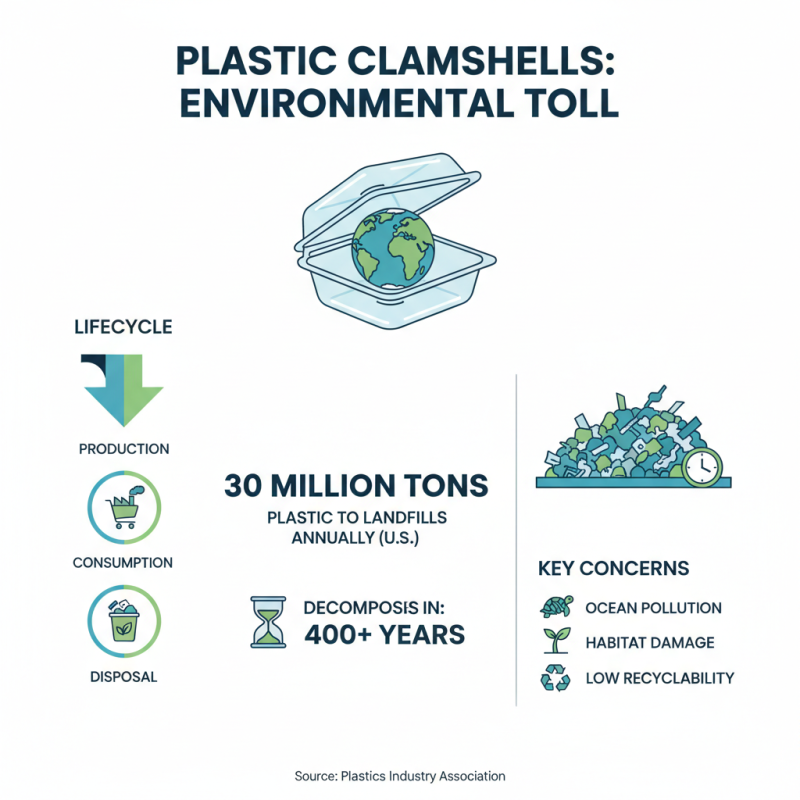
The use of plastic clamshells raises significant environmental concerns. According to the Plastics Industry Association, about 30 million tons of plastic end up in landfills each year. Clamshells are notorious for their lengthy decomposition time, which can exceed 400 years. This issue forces us to consider the lifecycle of these products.
Recycling rates for clamshells are frustratingly low. The National Recycling Coalition reports that only 9% of plastic waste is recycled properly. Many consumers throw clamshells away, thinking they are recyclable when they actually are not. People's lack of knowledge contributes to this problem.
Moreover, the production of plastic clamshells emits greenhouse gases. A study by the World Economic Forum shows that plastics contribute to 3.8 gigatons of CO2 each year. This staggering figure indicates that choosing clamshells without considering their environmental implications can have long-lasting effects. It’s essential to reflect on these impacts when selecting packaging solutions.
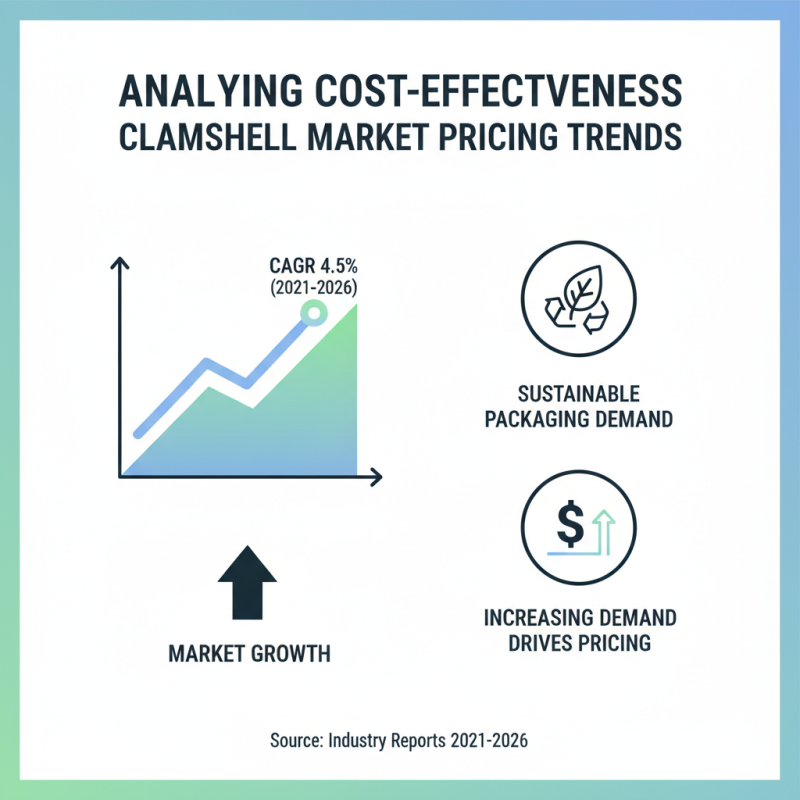
When considering the cost-effectiveness of plastic clamshells, pricing trends are critical. The clamshell packaging market is projected to grow significantly. Reports indicate an expected CAGR of 4.5% from 2021 to 2026. This growth reflects the increasing demand for sustainable packaging solutions.
Prices can vary widely based on material, size, and design. In some cases, basic clamshells can start as low as $0.15 per unit. However, more complex designs or eco-friendly materials may push prices to $0.75 or higher. Businesses often struggle to balance quality and cost. Investing in a slightly more expensive option can yield higher customer satisfaction.
Choosing the right supplier is essential. Not all suppliers provide transparent pricing structures. It’s vital to evaluate several quotes while considering hidden costs. Shipping fees can significantly increase the total expense. According to industry reports, over 30% of companies fail to factor shipping into their budgets, leading to unexpected expenses. Always question the true cost of packaging solutions.
Choosing the best suppliers for high-quality plastic clamshells is crucial for many businesses. According to a recent industry report, the demand for clamshell packaging is expected to grow by 4.1% annually. This growth indicates that not all suppliers are equal, and careful evaluation is necessary.
Start by checking materials used in production. The best suppliers prioritize recyclable materials, aligning with modern sustainability trends. A study from the Packaging Institute highlights that 73% of consumers prefer environmentally friendly packaging. Verify the supplier’s commitment to eco-friendly practices. This may require asking for certifications or sourcing information.
Evaluating supplier reliability is vital. Look for feedback from other businesses. However, reviews can be misleading. Some stellar feedback might come from less credible sources, so it’s essential to seek unbiased opinions. Also, assess their response time and customer service. Poor response rates can delay your projects. Quality control is another area to probe. Insist on audits of manufacturing processes, as not all suppliers maintain rigorous standards. Balancing cost and quality can be challenging, but transparency from suppliers helps achieve that.