How to Choose the Best Pp Woven Bag For Sugar Supply?
Choosing the right Pp Woven Bag For Sugar is crucial for suppliers in the industry. John Smith, a leading expert in packaging solutions, emphasizes, "Quality bags not only protect sugar but also uphold your brand's reputation." This highlights the importance of selecting the best materials and designs, ensuring that the bags are not only functional but also visually appealing.
When evaluating options, factors such as durability, weight capacity, and resistance to moisture should be considered. A well-designed Pp Woven Bag For Sugar can prevent contamination and spoilage, directly influencing product quality. However, many suppliers overlook these details, leading to economic losses. It's essential to balance cost with quality, as cheaper options might compromise safety and integrity.
Sustainability is another crucial aspect. With growing environmental concerns, many companies are shifting towards eco-friendly materials. This transition requires careful evaluation and adaptation. It's challenging, but the long-term benefits for the brand and environment are significant. Knowing the market needs and consumer preferences plays a pivotal role in making effective choices.
Understanding the Importance of Pp Woven Bags in Sugar Supply
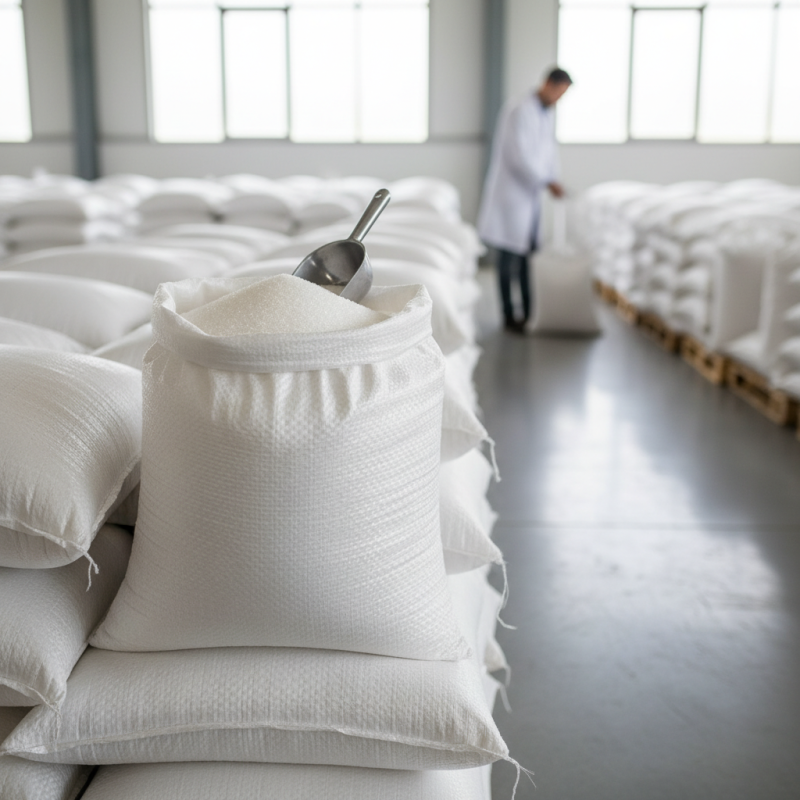
PP woven bags play a crucial role in the sugar supply chain. Their durability and strength make them ideal for transporting sugar reliably. Unlike paper bags, these woven bags resist moisture, keeping the sugar dry and uncontaminated during transit. This feature is vital in maintaining the quality and taste of the sugar, ensuring it meets consumer standards.
Choosing the right PP woven bag involves considering specific needs. A lightweight bag may be suitable for transporting smaller quantities. However, larger shipments require more robust options. Think about the type of sugar too. Granulated sugar may need different handling than powdered sugar. Each variation of sugar might require its unique packaging characteristics.
Not all PP woven bags are created equal. Some bags may lack sufficient stitching or might tear easily. This inconsistency can lead to sugar spills and losses. It’s important to review suppliers and inspect samples before making any decisions. Reflecting on these details ensures a reliable supply of sugar to customers, minimizing potential disappointments.
Choosing the Best PP Woven Bag for Sugar Supply
This chart illustrates the key factors to consider when choosing a PP woven bag for sugar supply, with importance ratings indicating their significance in the selection process.
Identifying the Right Material Specifications for Sugar Pp Woven Bags
When selecting the appropriate polypropylene (PP) woven bags for sugar supply, material specifications play a critical role. The sugar industry often demands bags that offer durability, moisture resistance, and a suitable weight capacity. According to a report from the Flexible Packaging Association, PP woven bags can carry anywhere from 25 to 100 kilograms. Choosing the right weight capacity is vital to prevent tearing during handling and transportation.
Moisture resistance is crucial for storing sugar. A study highlighted that sugar is susceptible to clumping when exposed to humidity. Selecting a PP woven bag with a lower moisture vapor transmission rate (MVTR) can help maintain product integrity. It's essential to bear in mind that not all materials will offer the same level of protection. Some manufacturers may claim moisture-resistant properties that don’t meet industry standards.
Furthermore, factors like UV resistance should also be considered. Sugar bags are often stored in varied environmental conditions. A bag lacking UV protection can deteriorate after prolonged exposure to sunlight. Research indicates that bags treated with UV inhibitors significantly extend their lifespan. Regular assessments of bag performance are necessary to ensure they meet the evolving demands of the sugar supply chain.
Evaluating the Bag Dimensions and Capacity for Sugar Transportation
When evaluating bag dimensions for sugar transportation, choosing the right size is crucial. The standard dimension for polypropylene (PP) woven bags used in sugar supply is typically around 50 cm x 80 cm. However, depending on the specific needs of the operation, variations may exist. A recent industry report noted that about 70% of sugar suppliers utilize bags that hold between 25 to 50 kilograms of sugar. This range suits various transportation methods while maximizing efficiency.
Capacity is equally important. A bag’s volume directly impacts how much sugar can be transported simultaneously. Large bags can reduce the number of trips needed, saving time and labor costs. Yet, what happens if a bag is too large or small? Overpacking may lead to breakage or spills during transit, negating the benefits of bulk transportation. On the other hand, undersized bags create inefficiencies and drive up per-unit shipping costs.
Additionally, consider the fill rate. A survey indicated that improperly sized bags can result in a fill rate lower than optimal, impacting profit margins. Striking a balance between weight capacity and dimensions can significantly influence operations. Industry standards suggest aiming for a fill rate of at least 80% for maximum efficiency. Frequent assessments of sizing practices are crucial to ensure you are meeting both operational needs and customer expectations.
How to Choose the Best Pp Woven Bag For Sugar Supply? - Evaluating the Bag Dimensions and Capacity for Sugar Transportation
| Bag Type | Dimensions (cm) | Capacity (kg) | Material Thickness (mm) | Features |
| Standard Woven Bag | 50 x 80 | 25 | 0.10 | UV Resistant, Reusable |
| Heavy Duty Woven Bag | 55 x 90 | 30 | 0.12 | Enhanced Durability |
| BOPP Laminated Bag | 45 x 70 | 20 | 0.08 | Printed, Water-Resistant |
| Eco-Friendly Jute Bag | 55 x 90 | 25 | 0.15 | Biodegradable, Strong |
| Custom Printed Bag | 50 x 75 | 22 | 0.10 | Branding Options |
Assessing the Durability and Strength Requirements for Safe Sugar Storage
When selecting a pp woven bag for sugar supply, durability and strength are crucial. Sugar storage requires bags that withstand harsh conditions. According to industry reports, the tensile strength of woven polypropylene (PP) should ideally exceed 300 Newtons for effective use. This specification ensures that the bag does not tear easily during transportation or storage.
Equally important is the bag's resistance to moisture. Sugar is sensitive to humidity, which can lead to clumping or spoilage. Research indicates that a moisture-resistant coating can enhance the longevity of woven bags. However, not all manufacturers prioritize this feature. Some bags may lack this essential quality, putting your sugar supply at risk.
Additionally, weight capacity is a determining factor. A bag designed to hold 50 kg should have reinforced seams. These reinforcements help maintain structural integrity under load. However, improper handling can lead to failures. Awareness of the bag's limitations is essential for safe operations. Always inspect bags for signs of wear and failure before use. This prevents costly losses and ensures a reliable supply chain.
Considering Environmental Impact and Sustainability of Pp Woven Bags
When selecting PP woven bags for sugar supply, it's crucial to consider their environmental impact and sustainability. Polypropylene (PP) woven bags are popular due to their durability. However, the production process can have significant environmental implications. Recent studies show that the production of one kilogram of PP can emit up to 3.6 kg of CO2. This data highlights the need for eco-friendly practices within the industry.
Sustainability is increasingly important to consumers. Many companies are now seeking bags made from recycled materials. The use of recycled polypropylene can reduce energy consumption by up to 30%, contributing positively to the environment. However, not all recycled materials are created equal. It's essential to assess the sources of materials before making a purchase decision.
Tips for choosing environmentally friendly bags include looking for certifications. A bag that meets international recycling standards indicates a commitment to sustainability. Evaluate the longevity of the bags, as products designed to last can reduce waste over time. When making your selection, consider the entire lifecycle of the bag, from production to disposal. These insights may lead to better choices and promote eco-conscious efforts within the sugar supply chain.