Why Choose Blister Card Packaging for Your Product Needs?
Choosing the right packaging for your products is crucial. Blister card packaging offers several advantages over traditional options. This type of packaging not only enhances product visibility but also provides excellent protection.
Blister card packaging creates a barrier against environmental factors. It keeps products safe from moisture, dust, and tampering. Additionally, it can be designed to showcase your product attractively. Customers often appreciate the clear view of what they are purchasing.
Despite its many advantages, some may overlook blister card packaging. Costs and production complexity can be concerns. It’s important to weigh these against the benefits of enhanced branding and consumer appeal. Making the right decision requires careful consideration and reflection on your product’s unique needs.
Understanding Blister Card Packaging: Definition and Components
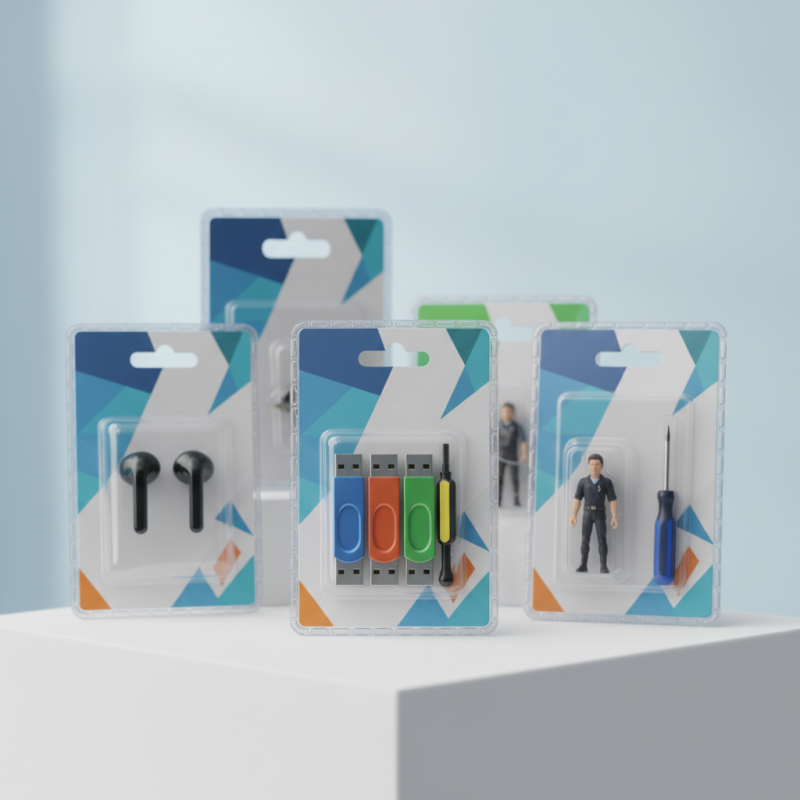
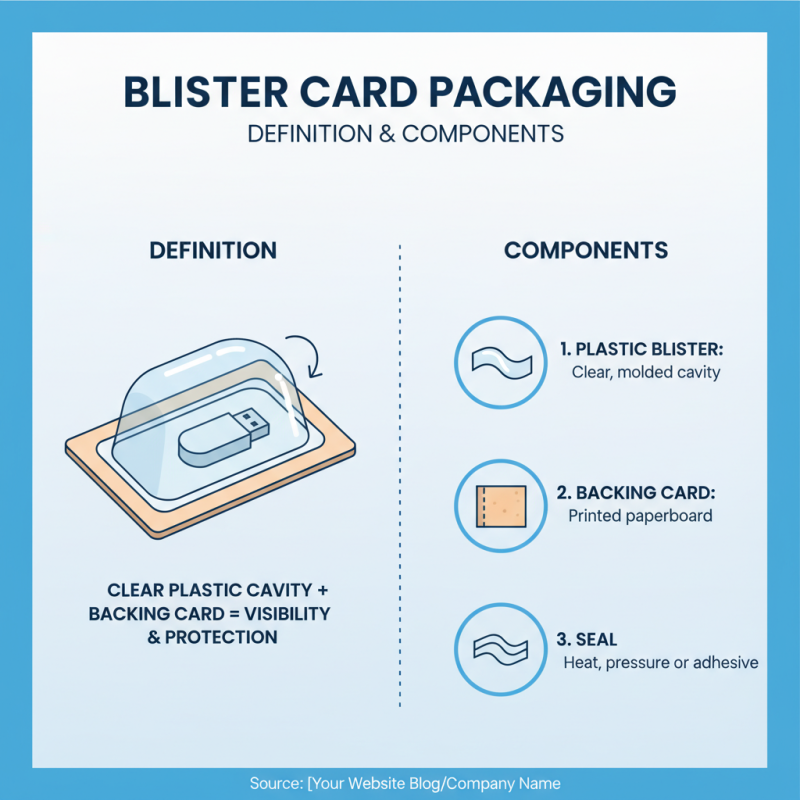
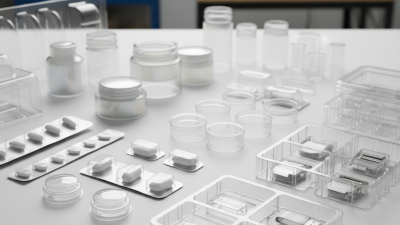
Blister card packaging is a popular choice for many products due to its effectiveness. Understanding its components is essential for making informed decisions. At its core, blister packaging consists of a clear plastic cavity sealed to a backing card. This design offers visibility, allowing customers to see the product inside.
A crucial component of blister packaging is the blister itself. This molded plastic shell cradles the item securely. The backing card typically carries important information like product details and branding. This multi-functional structure not only protects the product but also enhances marketing efforts.
Tips: When designing a blister package, consider the size and shape of your product. An ill-fitting blister can cause damage. Also, ensure that the printed information is clear. Important details should be easy to read at a glance.
While blister packaging has many advantages, it’s worth reflecting on potential downsides as well. Creating custom molds for unique products can increase costs. Additionally, the environmental impact of plastic should not be overlooked. Exploring eco-friendly alternatives may be a necessary step for some brands.
The Advantages of Choosing Blister Card Packaging for Products
Blister card packaging offers distinct advantages for various products. This type of packaging consists of a plastic bubble that is heat-sealed to a printed cardboard backing. It's not just about aesthetics; it provides protection and visibility. Customers can see the item clearly while being safeguarded from damage. This dual feature enhances decision-making at the point of sale.
Another notable benefit is functionality. Blister packs are easy to open, yet they secure products effectively. This ease of use can lead to higher customer satisfaction. However, some consumers may find them challenging if the plastic is too thick. It’s essential for manufacturers to find a balance between security and accessibility.
Cost-effectiveness is a vital consideration too. Blister card packaging can be produced at a lower cost compared to other materials. A smaller environmental impact is also worth mentioning. Many blister packs are recyclable. Yet, the challenge remains in ensuring consumers understand how to dispose of them properly. Education on recycling is crucial for overall sustainability.
Different Types of Blister Card Packaging and Their Applications
Blister card packaging offers unique solutions for various products. Its versatility shines through different types that cater to specific needs. The most common types include single blisters, multi-pack blisters, and cardstock blisters. Single blisters are ideal for items like tools and small electronics. They allow consumers to see the product clearly before purchase. Multi-pack blisters are great for group items such as batteries or food items, providing a cost-effective packaging option.
Cardstock blisters often suit personal care products. They combine printed cardboard with plastic blisters to enhance brand appeal. This approach is valuable for showcasing vibrant designs and engaging consumers. However, one might wonder about the environmental impact of such packaging. While highly effective, it's essential to consider recycling possibilities. Some blister packs are made from recyclable materials. Understanding local recycling rules can lead to better choices.
Here are a few tips for choosing the right blister card packaging. Ensure the dimensions fit your product snugly. Test different materials for durability and aesthetic appeal. Always think about user experience; packaging should be easy to open yet secure. Seeking feedback on design and functionality can also lead to improvements. Reflect on how your packaging choices align with your brand values.
Why Choose Blister Card Packaging for Your Product Needs?
Factors to Consider When Selecting Blister Card Packaging
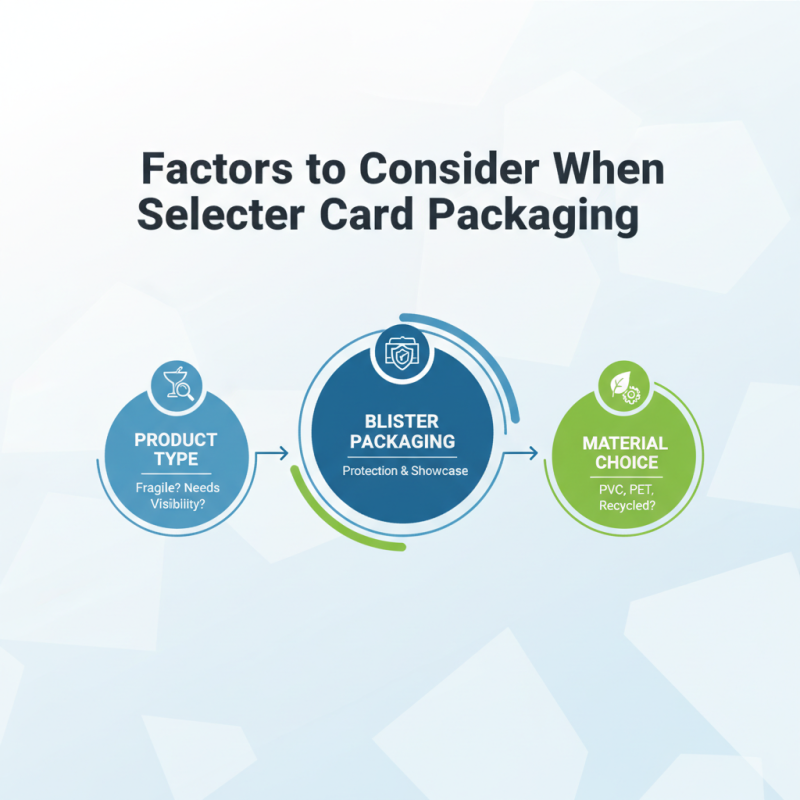
When considering blister card packaging, several factors can guide your choice. First, think about the type of product you will package. Is it fragile, or does it need visibility? Blister packaging can provide protection while showcasing your item effectively.
Material selection is also crucial. Different materials offer varying levels of durability and aesthetics. PVC and PETG are popular choices due to their clarity and strength. However, consider sustainability. Eco-friendly materials are gaining traction and appeal to environmentally conscious consumers.
**Tips:** Always test your packaging. Ensure it meets industry standards and protects your product. Evaluate the user experience as well. A well-designed blister card can enhance customer satisfaction. You should also review your budget. Quality packaging can be costly, but it may lead to greater sales.
Keep in mind that not every design will work. Assess your target market's feedback. Are they drawn to your packaging? If not, alterations may be necessary. Adjusting the design can sometimes make a significant difference. Monitor trends in your industry to stay relevant.
Sustainability and Environmental Impact of Blister Card Packaging
Blister card packaging is gaining popularity due to its sustainability and minimal environmental impact. According to a recent industry report, around 80% of consumers prefer products with eco-friendly packaging. Blister card packaging, made from recyclable materials, significantly reduces landfill waste. In fact, studies show that it can cut down packaging waste by up to 30% compared to traditional methods.
Many companies are now opting for blister card packaging. This shift is part of a broader trend towards sustainability. The use of single-use plastics is declining, with alternatives like blister cards gaining traction. This not only helps in reducing plastic pollution but also resonates with environmentally conscious consumers.
**Tips:** Consider using biodegradable materials in blister card designs. This can enhance your product's appeal. Regularly assess the sustainability practices of your suppliers. Ensure they align with your eco-friendly goals. Remember, jumping on the sustainability bandwagon might not be enough; genuine commitment is crucial for long-term impact.
Why Choose Blister Card Packaging for Your Product Needs? - Sustainability and Environmental Impact of Blister Card Packaging
| Dimension |
Value |
| Material Types |
PVC, PET, Paperboard |
| Recyclability |
80-100% recyclable depending on the type |
| Carbon Footprint |
Lower than traditional packaging methods by 30% |
| Production Energy Use |
20% less than average packaging production |
| Waste Generation |
Reduced by 50% in comparison to other packaging types |
| Market Demand |
Growing 10% annually for sustainable options |
| Consumer Preference |
75% of consumers prefer eco-friendly packaging |