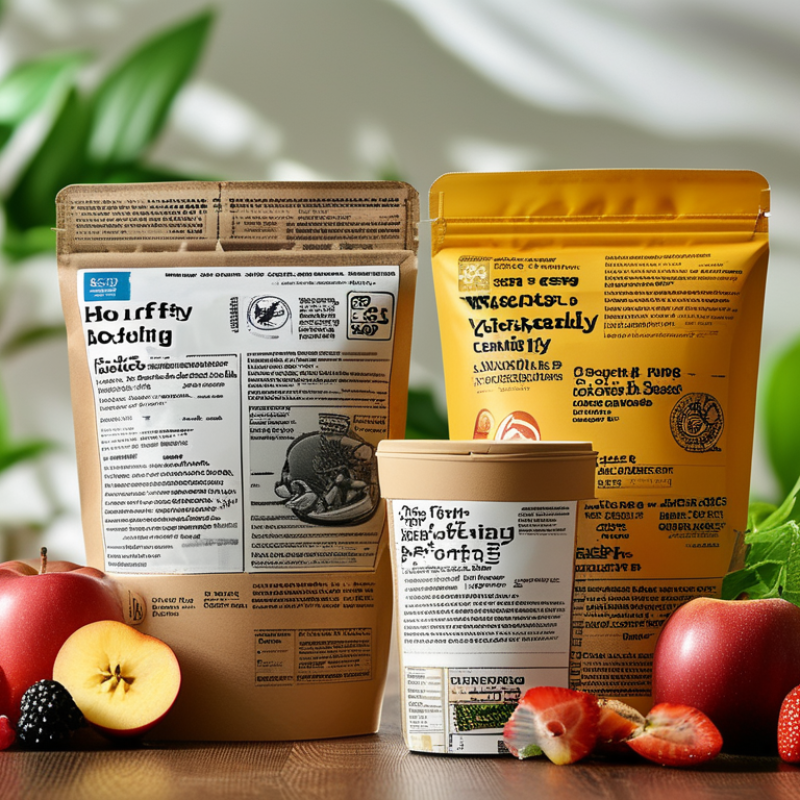
How to Choose Stand Up Bags for Your Packaging Needs?
Choosing the right packaging is vital for any business. One popular option is Stand Up Bags. They offer versatility and convenience. These bags can enhance product visibility and protect contents effectively.
When selecting Stand Up Bags, consider various factors. Size and material are crucial. A bag that fits your product well can prevent damage. Options include different laminates for better moisture resistance. Trustworthy suppliers will provide information on material health standards.
Many businesses overlook details like closure types and printing options. A reliable bag should secure your product while appealing to customers. Reflect on your packaging needs carefully. Each choice impacts your brand's image. Make a wise decision for optimal results.
Understanding Stand Up Bags: Features and Benefits
Understanding stand-up bags is essential for effective packaging. These bags offer unique features that enhance durability and usability. Made from materials like polyethylene and laminates, they provide excellent barrier properties. This helps keep products fresh and extend shelf life. According to recent industry reports, 60% of consumers prefer stand-up bags due to their convenience and resealability. This preference is driving growth in the flexible packaging market, projected to reach $300 billion by 2024.
The design of stand-up bags adds to their appeal. They stand upright on shelves, promoting visibility and attracting customers. Their lightweight nature reduces shipping costs, making them a cost-effective option. However, the challenge remains in ensuring that the packaging is eco-friendly. The demand for sustainable materials is rising, with 55% of consumers willing to pay more for environmentally friendly options. This presents a dilemma: balancing durability with sustainability. Companies must innovate while considering consumers' changing preferences for packaging solutions.
Identifying Your Packaging Requirements for Stand Up Bags
When selecting stand-up bags for your packaging needs, it is essential to identify your specific requirements. Consider the type of product you are packaging. For food items, barrier properties are crucial to keep the contents fresh. For non-food items, aesthetic appeal and durability may take precedence. Understanding your product storage conditions is also vital. Will it be exposed to moisture or light? These factors greatly influence the choice of material.
Next, think about the size and shape of the bags. Stand-up bags come in various dimensions and styles. Choosing the right size helps in reducing waste and optimizing shelf space. Additionally, consider printing options for branding. Having a visually appealing bag can attract customers. However, not all designs work for every product. A simple, clear label might be more effective than a complex design.
Lastly, reflect on the intended use of the bags. Are they for retail or bulk packaging? Will they require resealability? These needs can narrow down your options significantly. It’s also wise to consult with packaging experts. They can provide insights into the latest trends and materials. Each choice impacts cost and overall effectiveness. Taking the time to assess these factors thoroughly will lead to better packaging solutions.
Materials Used in Stand Up Bags: A Comparison Guide
When choosing stand up bags for packaging, the materials play a crucial role. Common options include plastic, paper, and biodegradable materials. Each choice impacts durability, cost, and environmental footprint. Plastic bags are often less expensive and provide a strong moisture barrier. However, they raise concerns about sustainability.
Paper stand up bags offer a more environmentally friendly alternative. They are biodegradable and recyclable. Yet, they might not provide the same level of protection against moisture or odors. On the other hand, biodegradable materials are gaining traction. They break down naturally and can be a compelling choice for eco-conscious brands. But, they might be pricier and require specific conditions to biodegrade effectively.
In reflecting on these materials, it's essential to consider your specific needs. What type of product are you packaging? Will it be exposed to moisture or air? Understanding these questions can help influence your material choice. Brands must weigh durability against environmental impact. It's not always easy to find the perfect balance.
Design Considerations for Effective Stand Up Bag Packaging
When considering stand up bags for packaging, design plays a crucial role. The shape, size, and material can significantly impact both aesthetics and functionality. Choosing a clear window can let customers see the product inside. This feature can attract potential buyers by providing a glimpse of the contents. However, it may not work for all products, especially those requiring strict packaging standards.
Color choices and graphics are another critical aspect. Bold colors can capture attention, while subtle tones may convey elegance. Brands must ensure that their packaging aligns with their identity. Misalignment can lead to confusion and a lack of trust. Additionally, clarity in labeling is vital. Important information, like ingredients or usage instructions, should stand out.
Sustainability is an increasing concern in packaging design. Consumers are more aware of environmental issues. Therefore, choosing recyclable or biodegradable materials can resonate well. However, balancing durability with eco-friendliness can be challenging. Brands must consider how the packaging performs under various conditions. Is it sturdy enough to protect the product? Can it withstand transport without damage? These questions require careful thought. Each design choice should reflect both the product and the brand’s values.
Sustainability Factors in Choosing Stand Up Bags for Packaging
When selecting stand up bags for packaging, sustainability is key. The materials used in these bags can significantly affect the environment. Many companies now focus on biodegradable or compostable materials. This choice reflects a commitment to reducing waste and promoting a circular economy.
Tips: Consider bags made from recycled materials. They can reduce your carbon footprint. Assess the manufacturing process of the bags. Sustainable practices during production matter.
Your choice should also take into account the disposal methods. Some materials are not easily recyclable. A mistake in choosing the wrong type can lead to increased landfill contributions. Review the lifecycle of the bags you choose. This practice ensures you truly prioritize sustainability.
Tips: Use labels that inform customers about disposal. Transparency builds trust. Collaborate with suppliers who also value sustainability. This mutual goal can lead to innovative solutions.
The impact of your packaging decisions extends beyond your product. When consumers see a brand focused on sustainability, it resonates with them. Packaging plays a vital role in shaping a brand's image today.