How to Choose the Best Stock Clamshells for Your Products?
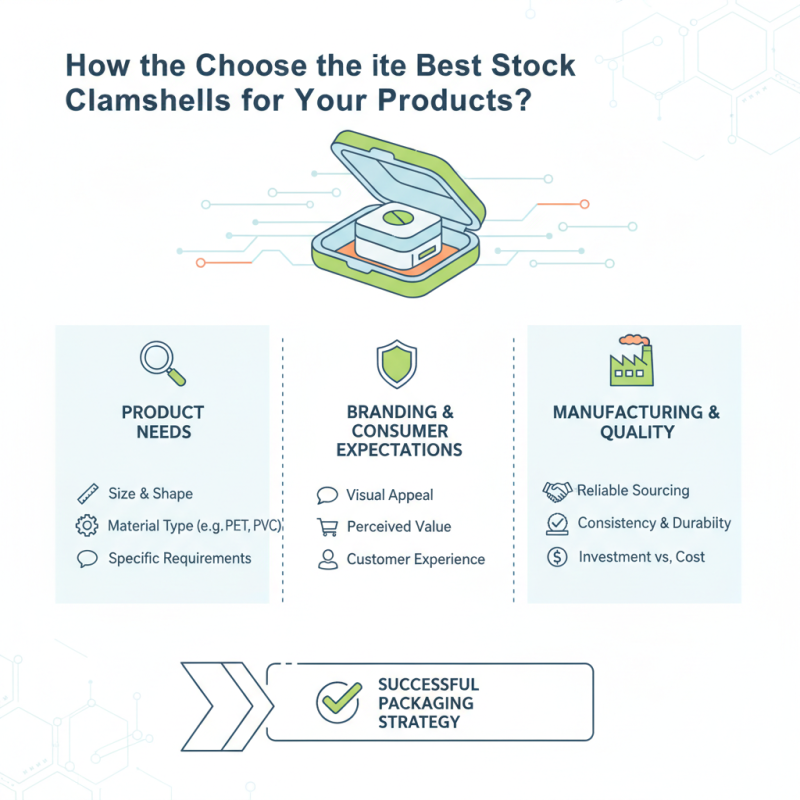
Choosing the right packaging can significantly impact your product's success. Stock clamshells are a popular choice among retailers and manufacturers. They offer visibility, protection, and convenience for various items. However, not all stock clamshells are created equal.
When selecting stock clamshells, consider your specific product needs. Size, shape, and material are crucial factors. Each product has unique requirements that may not be met by standard options. It's essential to reflect on how your choice fits with your branding and consumer expectations. Sometimes, opting for a generic clamshell might limit your product's appeal.
Moreover, the sourcing of these clamshells matters. Reliable manufacturers ensure quality and consistency, which directly affects product presentation. It can be tempting to choose the cheapest option, but that may compromise your brand's image. Aim for packaging that communicates value and quality. Ultimately, selecting the right stock clamshells requires thoughtfulness and a clear understanding of your goals.
Understanding the Role of Stock Clamshells in Product Packaging
Stock clamshells are an essential part of
product packaging. They protect items while displaying them attractively. Their clear design lets consumers see products,
which can boost sales. However, choosing the right clamshells involves more than just appearance. It’s about understanding
product needs and consumer interactions.
Consider the size and shape of your products. A clamshell that is too tight
can damage items, while one that is overly large may not secure them
properly. It’s a delicate balance. Evaluate the materials used in clamshell production, too. A sturdy option can withstand
shipping and handling, but it must also be eco-friendly.
Sustainability is increasingly important to consumers, which adds another
layer to your choice.
Keep in mind that not every clamshell will suit your product. Test different styles and materials. Seek feedback from
customers about their packaging experience. This will provide insights that data alone cannot capture. Reflect on these
aspects, and you'll be better equipped to select the ideal stock clamshells
for your products.
Evaluating Different Material Options for Clamshells
When evaluating material options for stock clamshells, several factors influence your decision. Polypropylene is popular due to its durability and clarity. This material provides excellent protection while showcasing products effectively. However, it can be more costly than other options.
For lightweight items, PET is often used. It’s not as rigid as polypropylene but offers a balance between cost and visibility. PET clamshells can bend without breaking. Yet, they may present sustainability challenges. Recycling options for PET are improving, but awareness remains crucial.
Some manufacturers explore biodegradable materials. These options may not always offer the same sturdiness. They cater to eco-conscious consumers but can limit shelf life. The balance between sustainability and practicality may require reflection. Consider how your product's needs align with material performance.
How to Choose the Best Stock Clamshells for Your Products? - Evaluating Different Material Options for Clamshells
| Material Type |
Advantages |
Disadvantages |
Best Use Cases |
| PET (Polyethylene Terephthalate) |
Clear visibility, recyclable, durable |
Higher cost, less impact resistance |
Food packaging, retail displays |
| PVC (Polyvinyl Chloride) |
Cost-effective, easy to form, strong |
Less recyclable, potential flexibility issues |
Toys, consumer goods |
| PP (Polypropylene) |
Chemical resistance, lightweight, flexible |
Less visibility, can warp at high temperatures |
Medical devices, electronics packaging |
| PLA (Polylactic Acid) |
Biodegradable, made from renewable resources |
Lower durability, sensitive to heat and moisture |
Eco-friendly products, food service |
Assessing Size and Shape Needs for Your Products
When considering stock clamshells for packaging, size and shape should align with your products. According to industry reports, the right clamshell design can enhance product visibility and protection. For example, a survey by the Packaging Association indicates that 65% of consumers prefer products that are well-displayed.
Evaluating the dimensions of your product is critical. A study published in the Journal of Packaging Technology showed that the right dimensions can reduce packaging waste by 25%. Aim for clamshells that fit snugly around your items. This not only saves materials but also improves durability. A poor fit may lead to damage during shipping, which is costly.
Shape matters as well. Clamshells come in various forms, from rounded edges to angular designs. A recent market trend indicates that unique shapes can improve shelf appeal by 15%. However, be cautious. Overly intricate designs can complicate manufacturing processes and increase costs. Striking the right balance between aesthetics and functionality is key for effective packaging solutions.
Product Size and Shape Needs for Stock Clamshells
This chart represents the distribution of product sizes that require stock clamshell packaging. The majority of products fall within the medium size category, followed by small and large sizes. Custom sizes are also a consideration for specific product needs.
Comparing Costs and Budget Considerations for Clamshells
When evaluating clamshell packaging, cost is a major factor. According to a recent industry report, packaging accounts for approximately 10% to 20% of overall product costs. Understanding this figure is essential for budgeting. Custom-designed clamshells can be more expensive, often 20% to 50% higher than standard options. However, the increased protection they offer may justify the additional cost for fragile items.
When budgeting, consider the materials. PET and PVC are common options for clamshells, but their costs differ significantly. Research shows that PET is generally 15% to 30% more affordable than PVC. This difference adds up, especially when purchasing in bulk. Additionally, hidden costs like shipping and inventory management can impact your budget. Being aware of these factors will help you make a more informed decision.
Finally, reflect on your brand's long-term goals. Cheaper options can save money now but may not offer the best durability or shelf appeal. Striking a balance between cost and quality is crucial. Not every choice will be perfect. Ongoing market research and consumer feedback can provide insights for future improvements. Adapting your strategy ensures clamshells remain effective for your product's needs.