2026 How to Choose the Best Tray Sealer Packaging Machine?
Choosing the right tray sealer packaging machine is critical in today’s competitive market. According to a recent report by Smithers Pira, the global market for food packaging machinery is expected to reach $45 billion by 2026. As companies prioritize efficiency and sustainability, the right machinery can significantly impact production.
Industry expert Dr. Emma Green has noted, "Selecting a tray sealer requires balancing quality with production speed." This insight highlights the importance of understanding both performance and the specific needs of your operation. Factors like the materials used, machine speed, and ease of maintenance all play a pivotal role in selection.
Many businesses overlook the importance of investing in reliable equipment. This oversight can lead to increased downtime and higher operational costs. While numerous machines are available, identifying the best fit requires thorough research and expert advice. As the market evolves, so too should your understanding of how a tray sealer packaging machine can support your business goals.
Factors to Consider When Selecting a Tray Sealer Packaging Machine
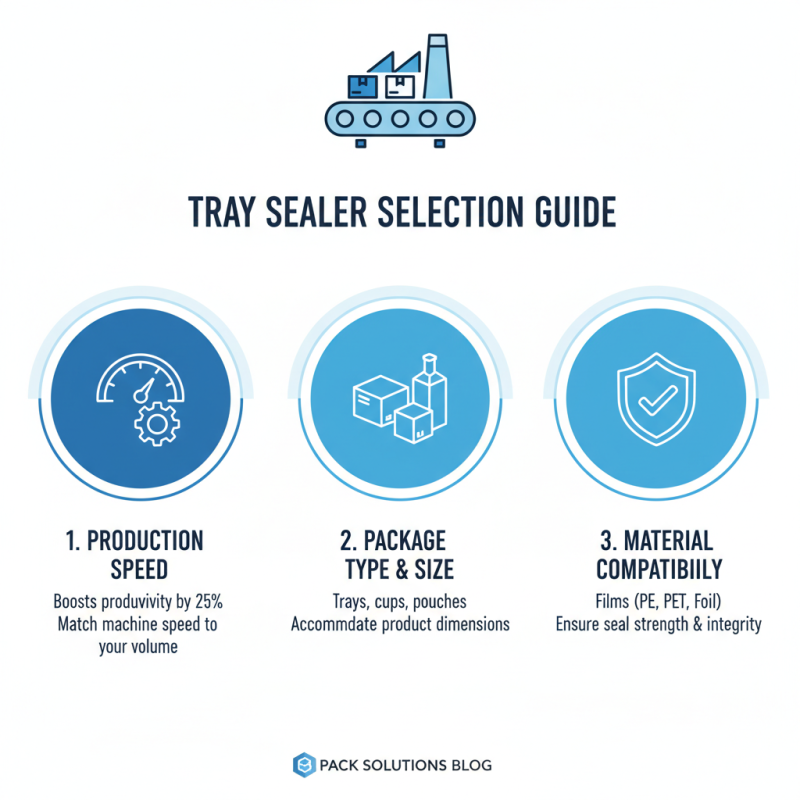
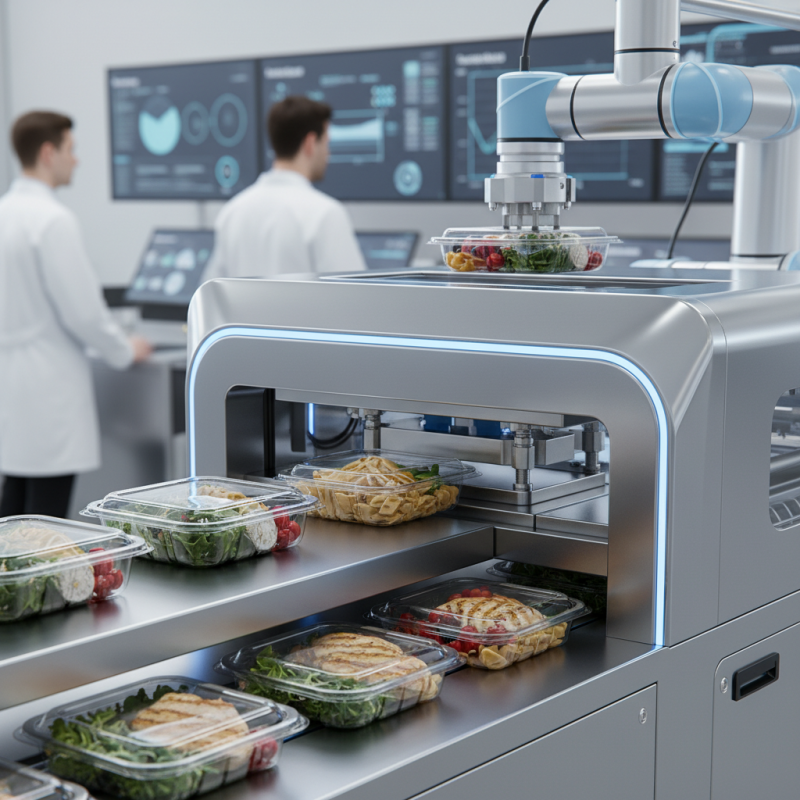
When selecting a tray sealer packaging machine, several key factors demand attention. The first aspect is production speed. Machines vary significantly in speed, which affects overall efficiency. A study indicated that optimal speed can boost productivity by up to 25%. Therefore, understanding your production volume is crucial for choosing a suitable machine.
Material compatibility is another essential consideration. Different industries use various materials, and not all machines seal every type. For example, a recent industry report showed that 60% of packaging failures relate to inappropriate materials. It’s vital to confirm that the machine can handle your specific trays and films. This ensures consistent quality in your sealed products.
Lastly, ease of use and maintenance should be part of the evaluation process. Complicated machinery may require extensive training, which can slow down operations. Reports suggest that about 30% of operational delays stem from user errors and machine malfunctions. Therefore, prioritize user-friendly designs and adequate support to minimize potential disruptions in your packaging workflow.
Types of Tray Sealers: Comparing Manual, Semi-Automatic, and Automatic Options
When selecting a tray sealer, understanding the differences between manual, semi-automatic, and automatic options is crucial. Manual tray sealers are cost-effective and perfect for small businesses. They require significant operator involvement, which can lead to inconsistencies in sealing quality. According to a recent industry report, over 40% of manual users reported issues with sealing integrity, highlighting the need for careful training.
Semi-automatic machines serve as a bridge, offering enhanced efficiency with some automation. They require less manual input while still allowing for operator control. This reduces the risk of errors and can increase output. Industry data shows that businesses using semi-automatic sealers see a 30% increase in productivity compared to manual options. However, they still don’t achieve the speed and consistency of fully automatic machines.
Automatic tray sealers provide the highest level of efficiency and precision. They can work continuously with minimal human intervention, making them ideal for large-scale operations. Despite their higher initial cost, they can lead to long-term savings. One industry study found that companies switching to automatic systems reduce labor costs by up to 50%.
Tips: Always consider the volume of production when choosing a sealer. Test different options to find the right fit. Remember, investing in quality machinery can minimize future maintenance and operational challenges. As you explore these options, reflect on how your choice could impact your overall production process.
2026 How to Choose the Best Tray Sealer Packaging Machine?
| Machine Type |
Cost (USD) |
Production Speed (Trays per hour) |
Ease of Use |
Best For |
| Manual Tray Sealer |
$1,000 - $5,000 |
20 - 50 |
Moderate |
Small Businesses |
| Semi-Automatic Tray Sealer |
$5,000 - $15,000 |
50 - 150 |
Easy |
Medium-sized Operations |
| Automatic Tray Sealer |
$15,000 - $50,000 |
150 - 500+ |
Very Easy |
Large Manufacturing Facilities |
Technical Specifications to Evaluate in Tray Sealer Machines
When selecting a tray sealer packaging machine, technical specifications play a crucial role. Focus on the sealing speed, which impacts your productivity. Machines can differ in their sealing cycles per minute. Higher speed doesn’t always mean better quality. Evaluate how consistent the seals are. A faster machine may lead to compromised seals if not calibrated correctly.
The type of sealing technology used is important. Common options include heat sealing and vacuum sealing. Each has distinct advantages depending on the products to be packaged. Heat sealing works well with non-perishable items, while vacuum sealing offers better preservation for perishable goods. Additionally, consider the machine's size and adaptability. If your product range changes often, a versatile machine can save both time and effort.
Lastly, pay attention to user interfaces and the machine's maintenance requirements. Complexity may lead to operational errors, especially for untrained staff. A simple interface can enhance user experience. Regular maintenance is essential, so ensure the design allows easy access for cleaning and upkeep. Balancing these specifications helps in choosing a reliable tray sealer that meets your production needs effectively.
Understanding Material Compatibility for Effective Tray Sealing
When selecting a tray sealer packaging machine, understanding material compatibility is crucial. Different materials, such as plastics and paperboard, have unique sealing characteristics. This impacts not only the integrity of the seals but also the overall quality of the product. For instance, polyethylene often requires different heat settings compared to polystyrene. Mismatching materials can lead to compromised seals and product spoilage.
Testing the compatibility of sealing materials can be an insightful process. Some manufacturers provide detailed compatibility guidelines, but it’s not always straightforward. The right film thickness and type often depend on the specific tray and its intended contents. Experimenting with various combinations may yield unexpected results. It’s essential to find the best fit for your sealing needs.
Moreover, production environment factors can influence sealing performance. Humidity and temperature variations play a significant role in how well materials bond. Regular checks of equipment settings are necessary to ensure consistent results. This awareness fosters a more efficient sealing process while minimizing waste. Overall, achieving effective tray sealing requires a nuanced understanding of materials and ongoing reflection on the sealing technique used.
Tray Sealer Materials Compatibility Ratings
Cost Analysis: Budgeting for Your Tray Sealer Purchase and Maintenance
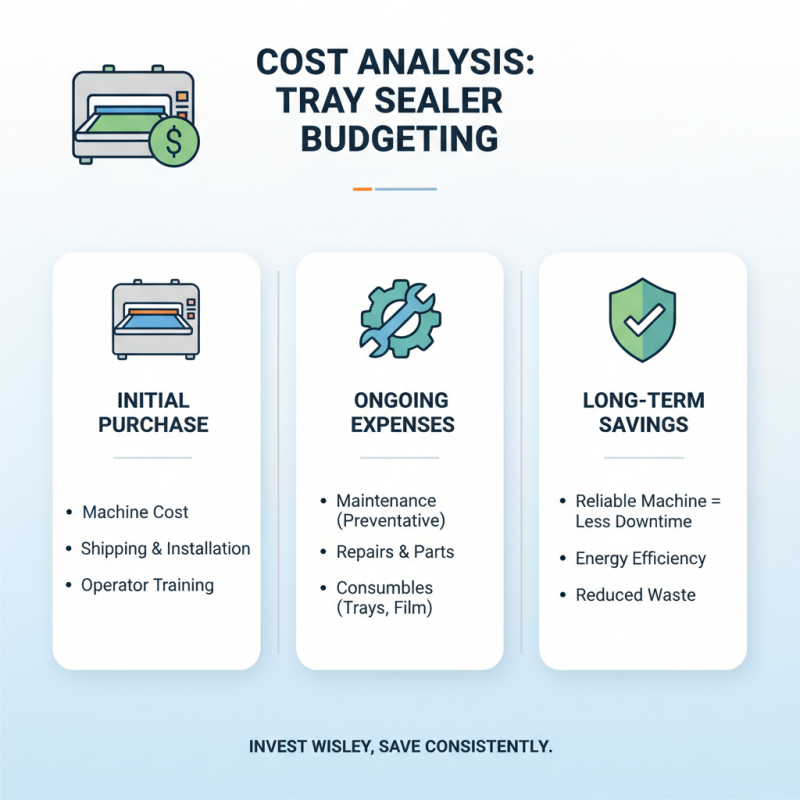
When considering a tray sealer packaging machine, budgeting is crucial. Costs extend beyond the machine purchase. Maintenance, repairs, and operator training all factor in. A well-planned budget allows for these additional expenses. The initial investment might seem steep, yet selecting a reliable machine can lower long-term costs. Poor choices may lead to frequent breakdowns. This can escalate expenses unexpectedly.
Analyzing ongoing costs is essential. Estimating the consumables required for production will aid in financial planning. Film, trays, and sealing materials contribute to the overall budget. Underestimating these needs could disrupt operations. Regular maintenance is necessary, too. It may not seem urgent, but neglect can lead to costly issues later.
Investing in training for operators is another wise decision. Skilled workers can maximize the machine's efficiency. Inexperienced operators may make costly mistakes. Reflecting on these aspects ensures a smoother operation. Ultimately, prioritizing thorough cost analysis leads to better decisions. This process promotes long-term success and sustainability in your packaging operations.