How to Choose the Best Clam Packaging for Your Products?
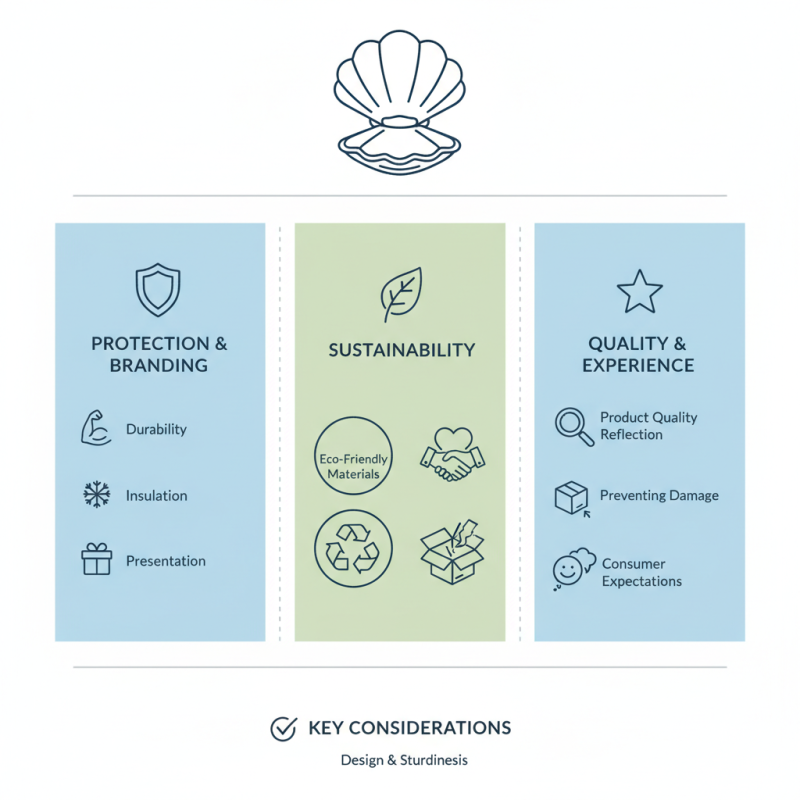
Choosing the right clam packaging is crucial for your products' success. Expert Joe Black, a leading authority in the clam packaging industry, emphasizes, "The right packaging protects your product and elevates your brand." Selecting packaging involves considering durability, insulation, and presentation.
Many businesses overlook the importance of sourcing sustainable materials. However, using eco-friendly clam packaging can enhance customer loyalty. Each packaging type must reflect the product's quality. Details like design and sturdiness are key.
Some brands still struggle with packaging choices, resulting in damaged goods or poor customer experiences. Reflecting on past failures can pave the way for better decisions. The right clam packaging should safeguard your product and meet consumer expectations effectively.
Understanding the Importance of Clam Packaging for Product Quality
Clam packaging plays a vital role in maintaining product quality. It protects the product from external factors such as moisture, sunlight, and physical damage. Using the right materials can preserve freshness and ensure safety during transport. High-quality packaging also prevents contamination, which can compromise product integrity.
Many businesses overlook the details in packaging. Some may choose materials based solely on cost, risking product quality. This choice can lead to spoilage or damage. It’s essential to balance cost with quality. Suppliers must understand the specific needs of their products. When packaging doesn’t align with product requirements, it may result in customer dissatisfaction.
Evaluating clam packaging options requires careful thought. Different materials offer various levels of protection. For instance, rigid clam shells can offer better protection than softer packaging. Understanding these nuances will help businesses make informed decisions. Effective packaging is an investment in product quality and brand reputation.
Types of Clam Packaging Materials and Their Benefits
Choosing the right clam packaging for your products involves understanding various materials. Each type offers unique benefits that cater to different needs. Plastic clamshells are popular due to their versatility. They provide excellent visibility, allowing customers to see the product clearly. This can enhance sales by showcasing freshness and quality.
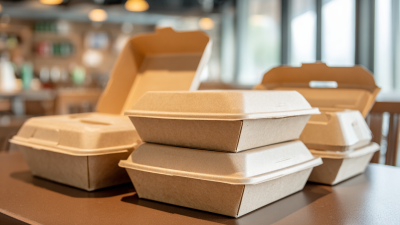
Another option is cardboard or paperboard packaging. Although less durable, they are eco-friendly and biodegradable. This option appeals to consumers who prioritize sustainability. Additionally, these materials can be customized with print designs, enhancing brand identity. However, they may not protect delicate items as well as plastic.
Foam clamshells are lightweight and offer good insulation. They are ideal for perishable goods but can be more expensive. The use of various materials adds complexity. Each choice has its downsides. Assess properties like durability, cost, and environmental impact. Balancing these factors is crucial for effective decision-making.
Key Factors to Consider When Selecting Clam Packaging
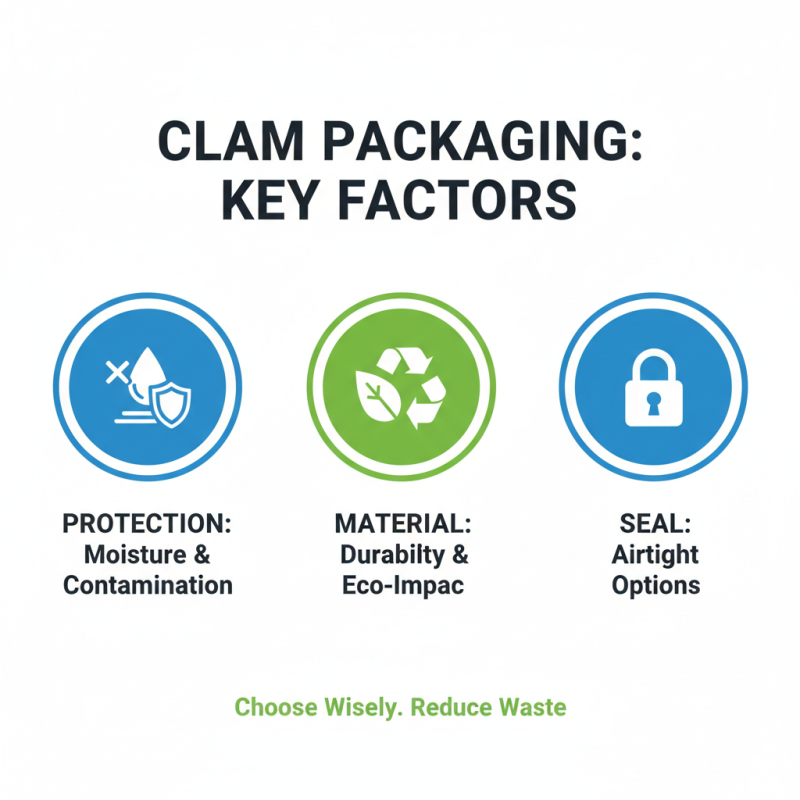
When choosing clam packaging, there are several crucial factors to consider. The material is key. It should protect against moisture and contamination. Airtight options are often most effective. Plastic clamshells and biodegradable materials are popular, but each has its pros and cons. Balancing durability with environmental impact can be tricky. Reflecting on the use of materials is essential.
Size and fit also matter significantly. Poorly fitting packaging can result in product damage. Packaging should snugly hold the clams without excessive space. This minimizes movement and reduces the risk of breakage. Examining the dimensions carefully ensures that the packaging meets product requirements.
Cost is always a consideration. While cheaper options may save money initially, they may not always be the best choice. Quality packaging can enhance product perception and reduce waste in the long run. Evaluating the total cost of ownership versus initial pricing is a challenge worth addressing. Choosing clam packaging is not just about looks. It demands thoughtful reflection on functionality, durability, and sustainability.
Sustainability Practices in Clam Packaging Choices
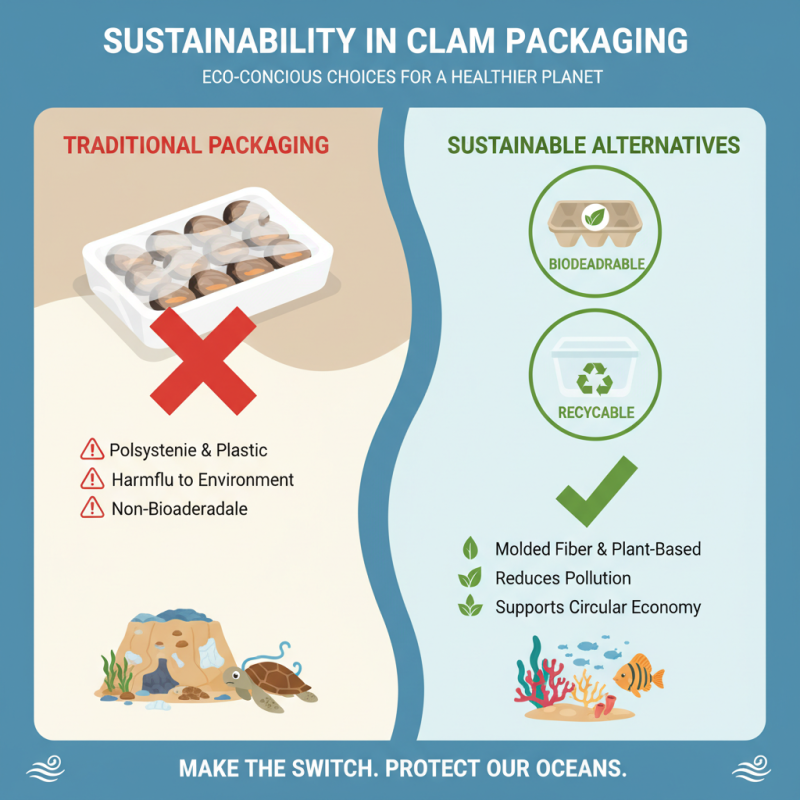
Sustainability is vital in clam packaging. As consumers become more eco-conscious, the demand for sustainable options grows. Clams are often packaged in polystyrene or plastic containers, which are harmful to the environment. Choosing biodegradable, recyclable, or compostable materials can make a significant difference.
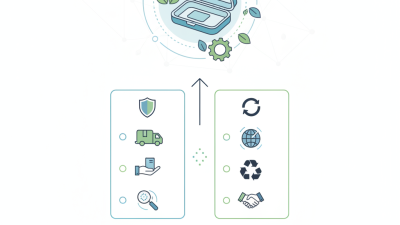
Innovative solutions such as plant-based packaging are emerging. These materials break down naturally without leaving harmful residues. It’s essential to evaluate the entire lifecycle of packaging. Think about sourcing, production, and waste management. Some options may seem sustainable, but they could have hidden environmental costs.
Finding reliable suppliers for sustainable materials is crucial. Research and partnerships can lead to better choices. However, not all local suppliers offer the same standards. It’s important to assess their practices and verify claims. Engaging with industry experts can provide insights into best practices. This information helps in making informed decisions that align with sustainability goals.