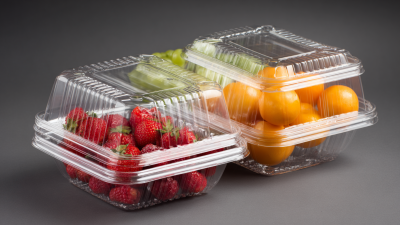
What is Clamshell Packaging and Why is it Popular?
Clamshell packaging has gained immense popularity in various industries. It is loved for its versatility and effectiveness. Jane Doe, a packaging expert, said, "Clamshell packaging is a game-changer for both retailers and consumers." This statement highlights the significant impact this packaging style has made.
In retail, clamshell packaging offers strong product visibility. It also provides protection against damage and contamination. Consumers appreciate its convenience. They find it easy to open and reseal if needed. This type of packaging is often made from clear plastic, allowing customers to see the product inside. However, it also raises concerns about waste and recyclability. Many companies face challenges in ensuring their clamshells are eco-friendly.
Despite its benefits, some clamshell designs can be difficult to open. This has led to frustration among some users. Companies must continuously innovate to improve user experience. As clamshell packaging evolves, industry experts believe sustainability must remain a top priority. Addressing this will ensure it retains its popularity while minimizing environmental impact.
What is Clamshell Packaging?
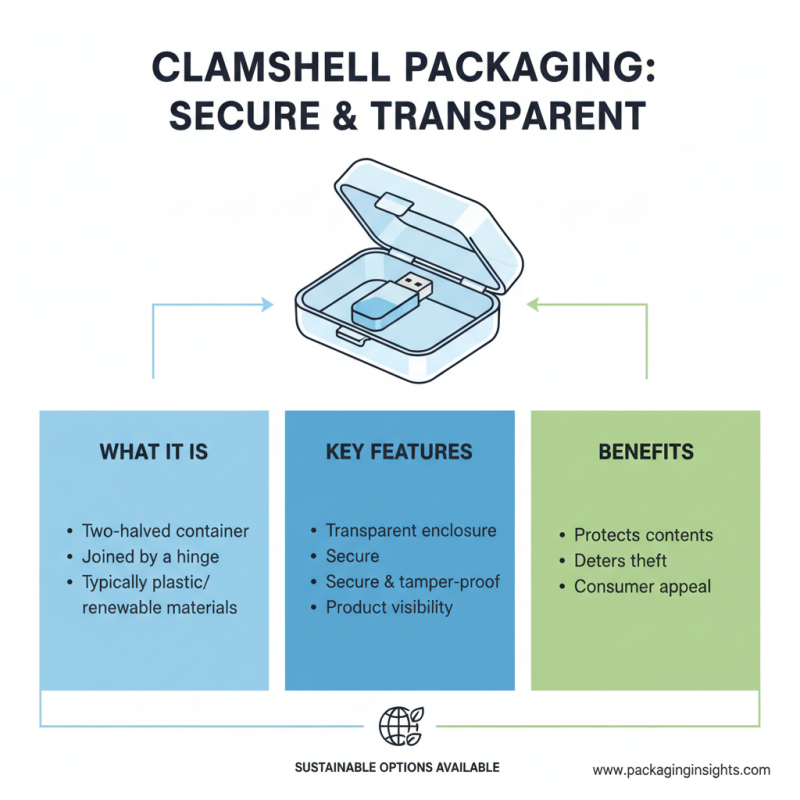
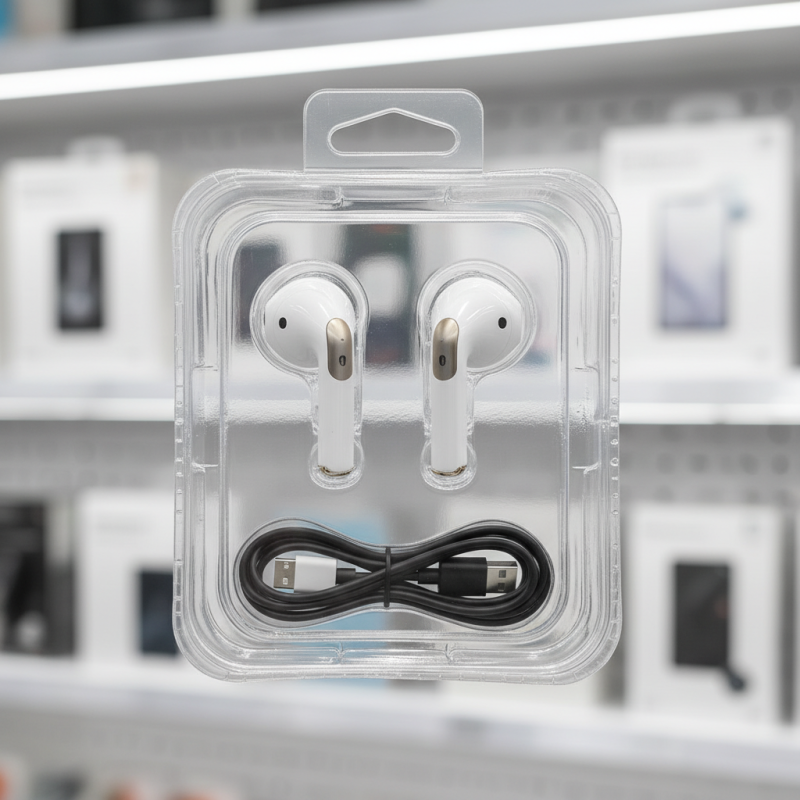
Clamshell packaging refers to a type of container made from plastic or other materials. It consists of two halves joined by a hinge, creating a secure and transparent enclosure. This design allows consumers to see products while keeping them safe and tamper-proof.
In recent years, clamshell packaging has gained significant traction, especially in industries like food and electronics. According to a market research report by Smithers Pira, the global market for clamshell packaging is expected to reach $9 billion by 2024. This growth can be attributed to its convenience and durability. Shoppers appreciate transparent packaging as it allows them to inspect products easily.
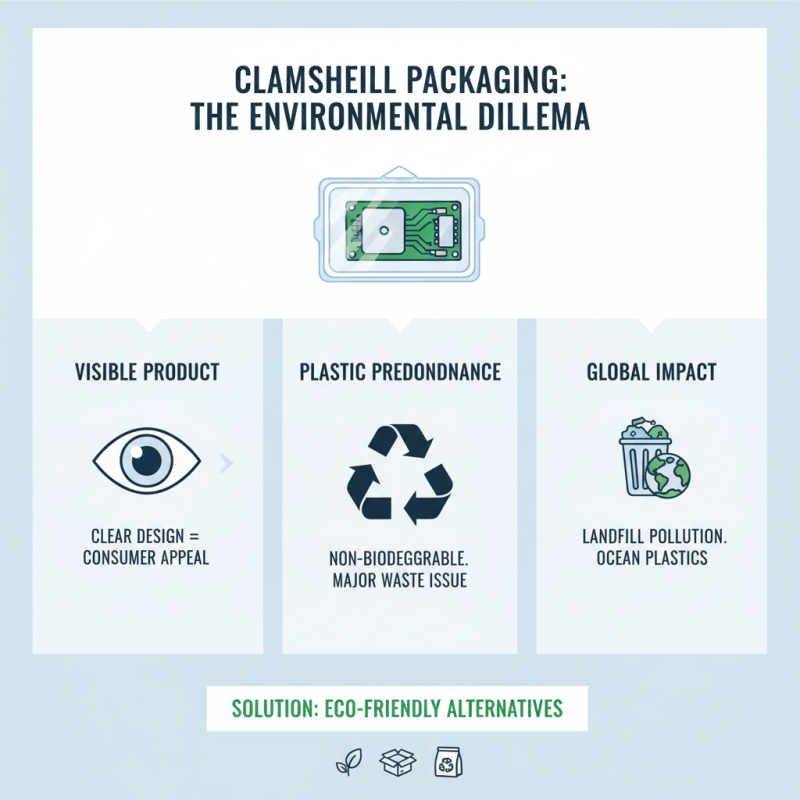
However, there are concerns about sustainability. Clamshells are often made from non-biodegradable plastics. Only about 9% of plastic waste is recycled, which raises questions about environmental impact. Companies are starting to explore alternative materials to address these issues. While clamshell packaging offers advantages, the balance between functionality and eco-friendliness remains challenging. Industry leaders are urged to reflect on their choices.
Key Features of Clamshell Packaging
Clamshell packaging has gained significant traction in recent years. Its unique design offers both visibility and protection for products. This packaging usually consists of two halves that hinge open and close, making it easy for consumers to access the items inside. The transparent material allows customers to see the product clearly, enhancing its appeal.
One key feature is the durability of clamshell packaging. It protects products from damage during transport and storage. The sturdy plastic shields items from moisture and impacts. This can be crucial for fragile goods. Additionally, the packaging often includes tamper-evident seals, ensuring safety for consumers.
Another aspect is its versatility. Clamshells can accommodate a wide range of products, from electronics to food items. However, the environmental impact is a growing concern. Many consumers prefer sustainable options. Innovations are needed to reduce plastic waste while maintaining the benefits of clamshell designs. Balancing convenience, aesthetics, and environmental responsibility poses a challenge for manufacturers and consumers alike.
Advantages of Using Clamshell Packaging
Clamshell packaging is a popular choice among many businesses. It offers clear visibility of products, allowing customers to see what they are buying. This transparency fosters trust and can entice buyers. The packaging is made from durable materials. This durability protects items during transport and storage, minimizing damage.
One significant advantage is its versatility. Clamshells can package various items, from electronics to food. This flexibility fits different industries, which can be crucial for suppliers. Another benefit is the ease of use. Customers can access products without much hassle. However, there are instances where the design can be overly complex, creating confusion. A simpler design might have worked better in some cases.
**Tips:** When choosing clamshell packaging, consider both aesthetics and functionality. Ensure that the design enhances product visibility while keeping it easy to open. Balancing these aspects is vital. Also, think about the material you use. Some options are more environmentally friendly than others, which is a growing concern among consumers. Balancing cost and sustainability can be a tough decision.
What is Clamshell Packaging and Why is it Popular? - Advantages of Using Clamshell Packaging
| Feature |
Description |
Advantages |
| Material |
Most commonly made from PET or PVC。 |
Durable, recyclable, and provides excellent clarity. |
| Security |
Difficult to tamper with due to sealed design. |
Reduces theft and ensures product integrity. |
| Display |
Offers a clear view of the product inside. |
Enhanced product visibility increases sales potential. |
| Customization |
Can be molded into various shapes and sizes. |
Flexibility in design allows for brand differentiation. |
| Sustainability |
Recyclable materials and minimal waste in production. |
Environmentally friendly option appealing to consumers. |
Popular Industries Utilizing Clamshell Packaging
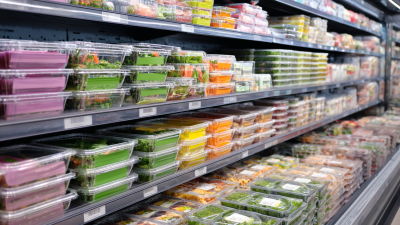
Clamshell packaging has gained popularity in various industries, notably in food and consumer goods. According to a recent report by Smithers Pira, the global clamshell packaging market could reach $9.2 billion by 2026, driven by its versatile design. This type of packaging is particularly embraced in the food sector, where fresh produce and prepared meals require secure yet accessible containers. The clear plastic design allows consumers to see the product inside, which enhances the shopping experience.
In the retail sector, clamshell packaging plays a crucial role in product safety and display. It offers tamper-proof benefits, thus building consumer trust. However, sustainable practices are a growing concern. While clamshells protect products well, they are often made from materials that may not be easily recyclable. The National Retail Federation notes that over 70% of consumers prefer brands that demonstrate environmental responsibility. This indicates a need for innovation and improvement in the sustainability of clamshell materials.
The electronics industry also utilizes clamshell packaging for a variety of items, from small gadgets to larger devices. This packaging type provides a robust defense against damage during transport. However, the bulky design sometimes leads to increased waste. Companies are being challenged to reduce this excess while maintaining product visibility and safety. Addressing these issues remains critical for the future of clamshell packaging.
Clamshell Packaging Popularity Across Industries