How to Ensure Quality in Offset Printing Inspection?
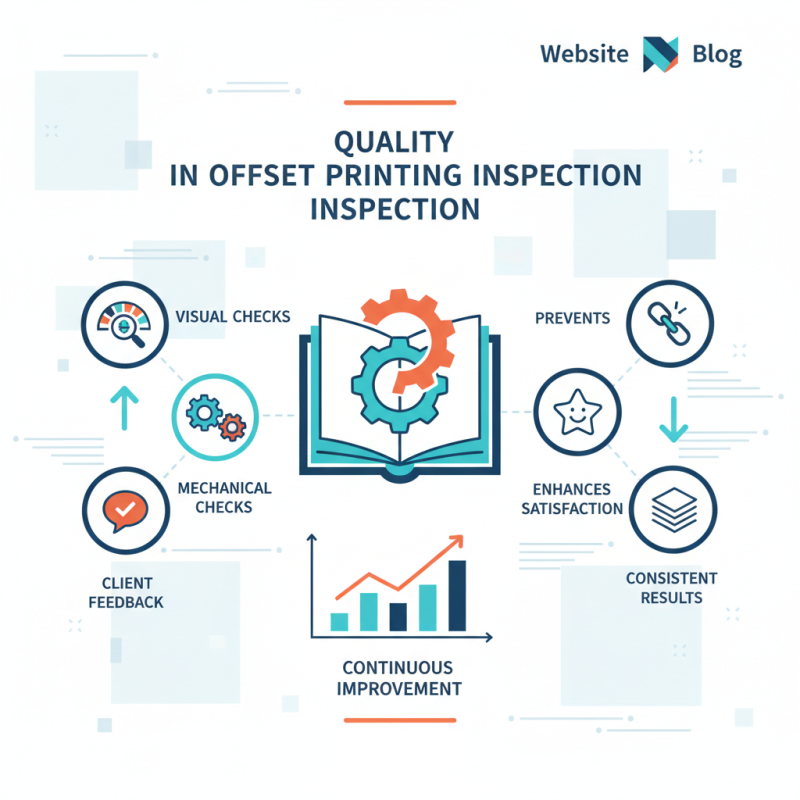
Ensuring quality in Offset Printing Inspection is critical for achieving excellent print results. This process involves various checks that help maintain consistency and accuracy in printed materials. Quality control in offset printing not only prevents costly errors but also enhances customer satisfaction.
Inspecting offset printing jobs requires specialized knowledge. Various factors, such as ink viscosity, paper type, and press alignment, can affect the final output. Regular training for staff is crucial to stay updated on industry standards and best practices. Without this, errors can creep in unnoticed, potentially damaging the entire batch.
Effective inspection must include both visual and mechanical checks. Observing color consistency, registration, and overall print quality is essential. However, relying solely on machinery may miss subtle imperfections. Continuous refinement of inspection processes is necessary for sustained quality improvement. Engaging with client feedback can also guide necessary adjustments in practices. Ultimately, meticulous Offset Printing Inspection paves the way for high-quality outcomes.
Understanding Offset Printing Basics for Quality Assurance
Offset printing remains a cornerstone of the printing industry. Understanding its fundamentals is critical to ensuring quality. Offset printing works by transferring ink from plates to a rubber blanket, then onto the paper. This process requires precise registration and careful adjustment of ink levels. A small error can lead to color inconsistencies or misaligned images.
Quality assurance in offset printing begins with understanding the equipment. Regular maintenance of the printing press is essential. Check rollers and ink fountains frequently. Small wear in these components can impact print quality. Additionally, operators must be trained to identify imperfections quickly. Routine inspections during production can help catch issues before they escalate.
An often overlooked aspect is the choice of paper. Each type reacts differently to ink and pressure. Testing various substrates can reveal surprising results. Color variations can occur, requiring constant monitoring. At times, even experienced operators may overlook minor details. Reflecting on these practices can lead to enhancements in quality control. Awareness of the entire process cultivates a mindset of continuous improvement.
Key Quality Standards in Offset Printing Inspections
Offset printing is a widely used technique, but ensuring quality in inspections is crucial. Key quality standards help maintain the integrity of printed materials. One such standard is the G7 certification, which focuses on achieving visual similarity across various print processes. This standard helps in aligning the print output with client expectations and industry benchmarks.
Data from the Printing Industries of America indicates that approximately 67% of print defects stem from improper ink management. This statistic highlights a critical area for attention. Maintaining correct ink viscosity and color consistency is essential for a high-quality outcome. Furthermore, using calibrated color measurement tools can significantly reduce variability.
Another vital aspect is substrate quality. A report from the Graphic Arts Technical Foundation found that 43% of print quality issues are linked to substrate incompatibility. Regular inspections of paper and other materials should be conducted to prevent these problems. Overall, setting and adhering to these quality standards can help avoid common pitfalls in offset printing and ultimately improve the final product.
How to Ensure Quality in Offset Printing Inspection? - Key Quality Standards in Offset Printing Inspections
| Quality Standard | Description | Importance | Measurement Method |
| Color Consistency | Ensures that colors remain the same throughout the print run. | Critical for brand identity and customer satisfaction. | Visual inspection and color measurement tools. |
| Registration Accuracy | Ensures that colors are properly aligned on the finished product. | Essential for maintaining the clarity of multi-color prints. | Use of a registration gauge and visual assessment. |
| Print Density | Measures the intensity of the printed colors. | Affects visual impact and detail retention. | Spectrophotometer measurement. |
| Paper Quality | Ensures the substrate is appropriate for the print job. | Affects printability and finished product durability. | Visual inspection and physical properties testing. |
| Finishing Quality | Assesses the quality of the final treatment applied to the print. | Critical for protecting print integrity and aesthetic appeal. | Visual checks and testing for durability. |
Essential Tools for Effective Offset Printing Inspection
Effective offset printing inspection relies heavily on the right tools. Quality monitoring must begin with visual inspection aids. A magnifying glass helps identify color inconsistencies and subtle defects. This tool provides a close-up look that catches flaws otherwise missed. Lighting conditions also play a crucial role. Using adequate, diffused light reduces glare and improves the visibility of issues.
Color measurement instruments are another essential tool. Devices like color spectrophotometers ensure that printed colors match the specifications accurately. This helps maintain consistency throughout the print run. However, relying solely on equipment isn't enough. Human judgment remains vital in the inspection process. Print operators must interpret the data from these tools, ensuring quality standards are met.
Additionally, monitoring software can track print quality over time. It can identify trends that may indicate potential problems. However, it’s crucial to reflect on the data gathered. Discrepancies in the printing process should prompt immediate action. Inspecting prints with a critical eye helps catch mistakes early. Regular training for staff on using these tools effectively enhances the overall print quality. A combination of technology and skilled scrutiny is essential for successful offset printing.
Common Issues in Offset Printing and How to Identify Them
Offset printing, a widely used technique, can encounter several common issues. Identifying these problems early ensures a high-quality finish in printed materials. One key issue is color inconsistency. This can happen if the ink isn’t mixed properly or if the printing plates are misaligned. Regular calibration of equipment helps mitigate this risk.
Another frequent concern is paper quality. Warped or damaged paper can lead to smudging or improper adhesion of ink. Inspecting paper before printing is essential. Additionally, watch for registration errors, which occur when colors do not align correctly. Such errors can result in a blurry appearance.
Inadequate drying times can also spoil the print. If the ink isn’t dry before the next printing phase, it can cause smears. Maintaining optimal drying conditions is crucial. Keeping an eye on ambient humidity and temperature can greatly improve results. Issues like these highlight the importance of meticulous inspections throughout the printing process.
Common Issues in Offset Printing Inspection
Best Practices for Maintaining Consistent Print Quality
Ensuring quality in offset printing inspection is crucial for consistent results. Companies rely heavily on print quality metrics, with studies indicating that up to 30% of printed products may require reprints due to quality issues. This emphasizes the need for robust inspection practices to minimize waste and cost.
One best practice is implementing regular calibration of printing equipment. Calibration ensures that color and registration remain consistent throughout the production run. It's important to conduct daily checks before the printing starts. If deviations are found, adjustments should be made immediately.
Another effective method is the use of quality control checkpoints during the printing process. Establishing these checkpoints helps identify defects early. Visual inspections, colorimetric assessments, and system checks can be used. Reports show that proactive inspections can reduce defects by over 25%.
Tip: Always document the findings from inspections. This not only aids in continuous improvement but also provides valuable data for future projects. Remember, maintaining print quality often requires adaptation and reflection on practices that could be improved. The path to excellence in offset printing is not always straightforward, but mindful practices lead to success.