Top Quality Plastic Box Options for Global Buyers?
The global demand for high-quality Plastic box solutions continues to rise. Industry expert Robert T. Lang, a leading consultant in packaging solutions, emphasizes that "the right plastic box can transform packaging efficiency." This statement reflects the importance of choosing the ideal plastic box for diverse applications, from retail to industrial uses.
Plastic boxes come in various shapes, sizes, and materials. They can improve organization and protection for products. Many manufacturers focus on durability and design to meet global standards. However, not all options are created equal. Some may lack in quality and sustainability, prompting buyers to conduct thorough research before making decisions.
Choosing the wrong plastic box can lead to inefficiencies. Often, companies overlook the long-term costs associated with poor packaging choices. It is essential to weigh all possibilities. The right plastic box should not only meet immediate needs but also align with sustainability goals. As the industry evolves, buyers must remain informed about trends and innovative materials to find the best solutions.
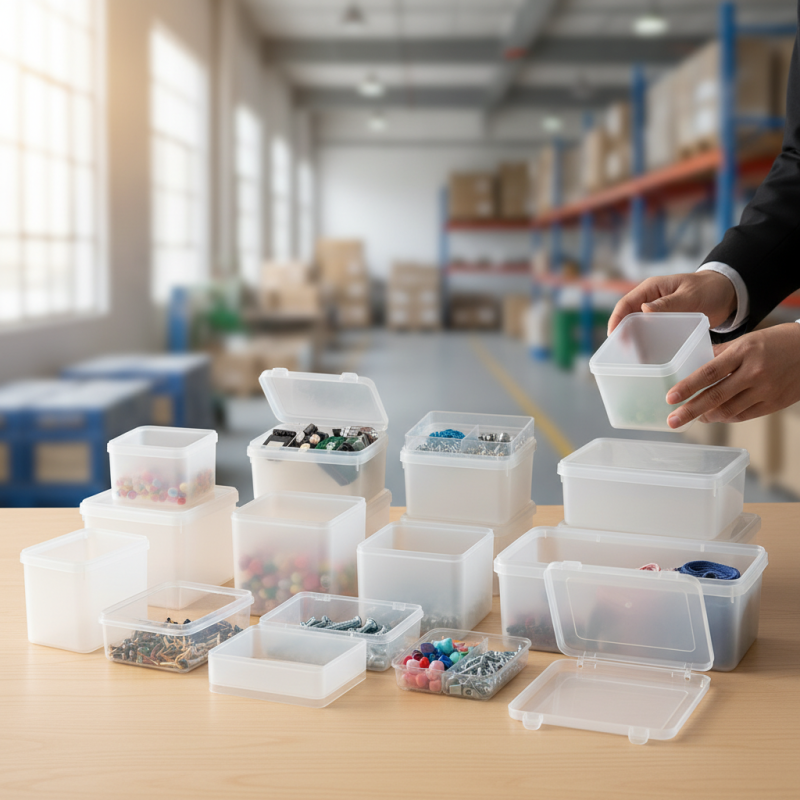
Understanding the Importance of Quality in Plastic Boxes for Buyers
When considering plastic boxes, quality stands out as a crucial factor for buyers. A well-made plastic box can offer durability and safety for a variety of uses. High-quality materials resist cracking and fading. This ensures that the boxes remain reliable over time. Additionally, the manufacturing process speaks volumes about quality. Techniques like injection molding create strong structures that can hold weight without warping.
Buyers should also evaluate the clarity and texture of the plastic. Clear boxes allow for easy identification of contents. On the other hand, textured surfaces can enhance grip and prevent slips. Understanding these nuances can greatly influence purchasing decisions. However, not all manufacturers adhere to strict quality controls. This can lead to inconsistencies in appearance and performance. It’s important for buyers to ask about these processes.
Investing in quality plastic boxes ultimately reflects on the buyer's brand image. Poor quality can result in dissatisfaction and loss of trust. Conversely, high-quality options can enhance product appeal and customer loyalty. Every buyer should weigh these considerations carefully before making a choice. There is a fine line between cost and quality. Saving money upfront could lead to higher costs in the long run.
Top Quality Plastic Box Options for Global Buyers
| Box Type | Material | Dimensions (LxWxH mm) | Capacity (L) | Weight (g) | Color Options |
| Storage Box | Polypropylene (PP) | 300 x 200 x 150 | 9 | 250 | Transparent, Blue, Green |
| Tool Box | High-Density Polyethylene (HDPE) | 400 x 300 x 200 | 15 | 500 | Red, Black |
| Food Storage Container | Polyethylene (PE) | 250 x 250 x 150 | 5 | 200 | Clear, White |
| Cosmetic Organizer | Acrylic | 300 x 200 x 100 | 3 | 300 | Transparent |
| Custom Packaging Box | Polypropylene (PP) | 500 x 400 x 300 | 30 | 1000 | Varied Colors |
Key Materials Used in Manufacturing High-Quality Plastic Boxes
When it comes to high-quality plastic boxes, the choice of materials plays a critical role. Polypropylene (PP) is a highly popular option among manufacturers. It offers flexibility and durability. PP boxes are lightweight and resistant to various chemical agents. This makes them ideal for a range of applications.
Another widely used material is polycarbonate. Known for its toughness, polycarbonate can withstand significant impact without breaking. However, it can be more expensive than other alternatives. Its clarity and resistance to UV light make it a top choice for certain applications, like displays or storage.
However, not all plastic materials are created equal. Some manufacturers may cut corners, utilizing lower grades of plastic that compromise quality. It's essential for buyers to verify the source and quality of materials. Reliable suppliers often provide transparency about their manufacturing practices and the specifics of the materials used. Checking certifications can help in making informed choices, ensuring the products meet safety and performance standards.
Top Quality Plastic Box Options for Global Buyers
This chart illustrates the key materials used in manufacturing high-quality plastic boxes and their popularity among global buyers based on industry trends.
Top Brands and Manufacturers of Plastic Boxes for Global Markets
When searching for high-quality plastic boxes, global buyers face numerous options. The wide variety available can improve storage and organization. However, not all manufacturers meet the same quality standards. Buyers should consider durability, design, and functionality. Comprehensive research can save time and resources, leading to better choices.
Many trusted manufacturers focus on producing reliable plastic boxes. They often emphasize environmentally friendly materials. Prices can vary significantly across regions. Exploring options from different markets may lead to unexpected finds. It’s important to assess the supplier's reputation and customer reviews. This step helps identify trustworthy brands.
Innovation is crucial in the plastic box industry. Many companies are experimenting with designs to enhance user experience. However, some shortcomings still exist. Certain designs may not be as robust as expected. Buyers should weigh these factors when making decisions. Quality assurance can make a significant difference in long-term satisfaction. Careful selection is essential for successful sourcing.
Factors to Consider When Choosing Plastic Boxes for Different Applications
When selecting plastic boxes for various applications, several critical factors require attention. Material choice significantly influences durability and safety. Polypropylene (PP) and polyvinyl chloride (PVC) are among the most commonly used plastics. According to a recent market analysis by Smithers, the global demand for these materials is projected to grow by 4.5% annually. This trend emphasizes the need to choose materials that offer both longevity and recyclability.
Design and functionality are equally important. Boxes must be tailored for specific uses, such as storage, transportation, or display. For instance, clear plastic boxes can enhance visibility, making them ideal for retail settings. A lack of clarity in design could lead to user frustration. Experts suggest considering dimensions, stackability, and lid options for optimal performance. Recent studies show that efficient packaging can reduce shipping costs by up to 20%.
Moreover, compliance with regulations adds another layer of complexity. Many industries require packaging that meets specific safety standards. The Food and Drug Administration (FDA) sets stringent guidelines for food-related boxes. Neglecting these factors can lead to costly mistakes. Global buyers must remain informed about regional regulations to avoid compliance issues. Hence, thorough research is crucial in selecting the right plastic box for your application.
Sustainability Trends in the Plastic Box Industry and Their Impact on Buyers
The plastic box industry is undergoing significant changes driven by sustainability trends. Buyers are increasingly aware of their environmental impact. This awareness shapes purchasing decisions. Many consumers now look for products that utilize recycled materials or are designed for recyclability. These options provide a lower ecological footprint while maintaining product quality.
Manufacturers are adapting to these buyer demands. Some are investing in innovative materials, like bioplastics, which can reduce dependence on fossil fuels. However, the transition is not without challenges. Companies may struggle to balance sustainability with production costs. This complexity often leads to inconsistent product availability. Buyers need to remain vigilant. Quality should not be sacrificed in the name of sustainability.
The shifting landscape raises questions about long-term reliability. A product marketed as eco-friendly may not meet all durability standards. Buyers must assess whether sustainable options genuinely serve their needs. Conducting thorough research before purchasing is essential to finding the right balance. It compels both buyers and manufacturers to rethink their roles in a more sustainable future.