How to Select the Best Three-Phase to Single Phase Converter?
In industrial applications, the demand for reliable power conversion solutions remains critical. The "Three-Phase To Single Phase Converter" plays a vital role in this context. According to a recent industry report by Markets and Markets, the power electronics market is projected to reach $33.8 billion by 2026, with converters being a significant segment of this growth. These devices help manage electrical loads in various sectors, facilitating the use of single-phase equipment in three-phase systems.
Selecting the best converter can be daunting. Not all converters offer the same efficiency and reliability. A study by the Institute of Electrical and Electronics Engineers found that inefficiencies in poorly designed converters can lead to power losses exceeding 20%. This reflects a dire need for careful selection when it comes to performance and application needs.
Understanding the specific requirements of your system is crucial. Factors such as load type, power ratings, and operational environments can significantly affect functionality. However, many users overlook these aspects, leading to increased operational costs and downtime. Finding a balance between cost and performance is essential for making an informed decision on a three-phase to single-phase converter.
Understanding Three-Phase and Single-Phase Power Systems
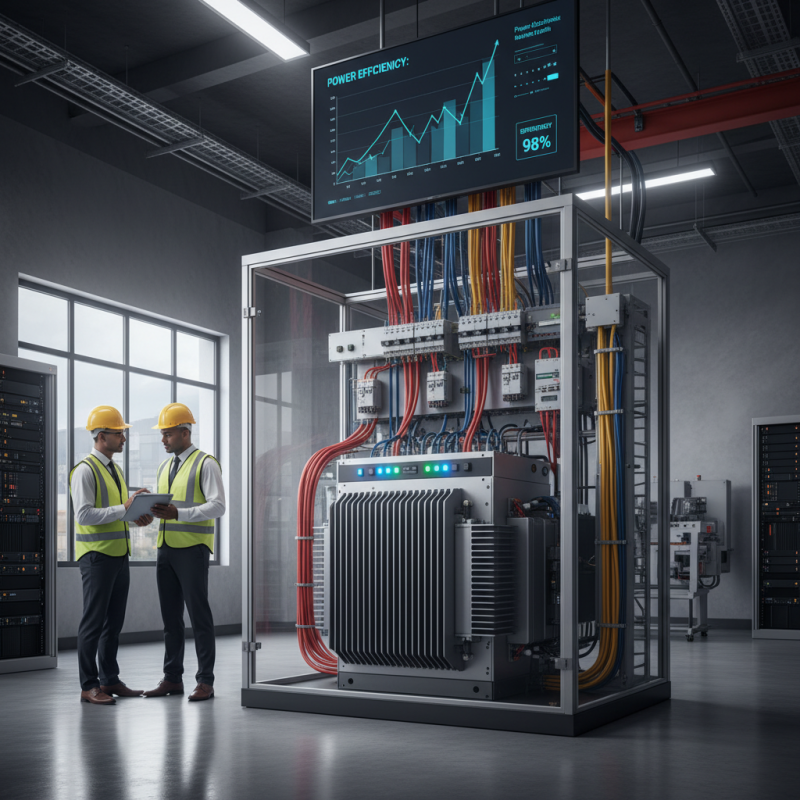
Understanding three-phase and single-phase power systems is crucial for effective energy management. Three-phase systems are commonly used in industrial settings. They deliver a steady and balanced power supply, making them ideal for heavy machinery. This system consists of three conductors, providing three alternating currents. Each current reaches its peak at different times, ensuring constant power flow. This setup increases efficiency and reduces the size of conductors required for transmission.
On the other hand, single-phase systems are simpler and often found in residential buildings. They use one alternating current, which can make them less efficient for large electrical loads. The voltage supply in single-phase systems can be less stable, leading to fluctuations. However, for standard household appliances, this system suffices. Electricians must assess the power needs of homes versus industries. Physical distance from power plants also affects selection. Sometimes, using a converter is necessary. Balancing costs and efficiency is important in these decisions. It can be a complex process that requires careful thought.
Identifying Your Power Requirements and Load Specifications
When selecting a three-phase to single-phase converter, understanding your power requirements is essential. Start by determining the total wattage your electrical devices will use. This calculation helps you avoid choosing a converter that is too weak. Underestimating your needs can lead to poor performance or even damage to appliances.
Next, consider your load specifications. Different devices have varying startup currents. For instance, motors often require more power to start than they do to run. If your converter can't handle this spike, it may not function effectively. Analyze the peak and continuous load of your equipment. Pay attention to the specifics, like the type of machinery you use and its operational frequency.
Also, consider the environment where the converter will operate. High temperatures or humidity can affect performance. A unit that works well in a controlled environment might fail in harsher conditions. Reflection on these details is crucial to ensure reliability. 不完美亦可致成功。 在决策时,保持灵活,时刻关注可能的局限性和挑战。
Evaluating Different Types of Three-Phase to Single-Phase Converters
When evaluating different types of three-phase to single-phase converters, understanding their operational mechanisms is crucial. These converters can be broadly classified into static and rotary types. Static converters are typically lighter and more compact, but they come with limitations on power output. In contrast, rotary converters are more robust and can handle higher loads. However, they are bulkier and often require more maintenance.
Industry reports suggest that around 25% of small to medium-sized enterprises frequently rely on rotary converters for their reliability. But these converters may introduce harmonics, which can affect other equipment. Notably, the efficiency of a rotary converter can drop below 80% under certain conditions. Users must consider these efficiency levels when selecting a converter for their needs.
Moreover, the choice of converter directly impacts overall energy consumption. Between 15% to 30% of energy savings can be achieved by opting for a suitable converter type. Some users find themselves perplexed by how to balance cost and performance. This assessment often reflects a complex understanding of their operational requirements versus potential energy losses. The decision-making process needs careful reflection on both immediate and long-term operational goals.
Assessing Efficiency and Performance Ratings of Converters
When selecting a three-phase to single-phase converter, efficiency and performance ratings are crucial. You need to look for specific metrics that indicate how well a converter will work in your application. Efficiency is often expressed as a percentage. Higher values mean less energy wasted. A converter with 90% efficiency is far better than one at 70%.
Another key performance aspect is the load capacity. Understand the maximum load a converter can handle. If you exceed this, the device will struggle. This can lead to overheating or even failure. Additionally, check the power factor rating. A poor power factor can cause issues in operational costs and energy consumption.
Don’t forget about the physical aspects. Size and installation requirements matter. Some converters are bulky, which can complicate installation. Moreover, consider noise levels. A loud converter can be disruptive in a working environment. Evaluating these factors is essential for a reliable selection. Understanding your specific needs will guide you toward a more effective choice.
Considering Installation and Maintenance Factors for Converters
When selecting a three-phase to single-phase converter, considering installation and maintenance is crucial. Proper installation ensures the efficiency and safety of the converter. Choose a location that allows for adequate airflow. Poor ventilation can lead to overheating issues, reducing the converter's lifespan. Utilizing professional help for installation might be a wise choice. However, this can incur additional costs. Some may opt for DIY installation, but lack of expertise can lead to significant errors.
Maintenance is equally important. Regular checks on connections and components can prevent potential failures. Cleaning dust and debris from the unit helps maintain optimal performance. Scheduling routine inspections is a good practice but can require a commitment of time and resources. Users must strike a balance between the frequency of checks and the associated costs.
While converters are designed for durability, they are not immune to wear. Ignoring minor issues can escalate into costly repairs. Being proactive can save money in the long run. It is wise to document maintenance activities to track the health of the converter. Understanding the installation and maintenance intricacies provides confidence in your investment. This knowledge can help in making informed decisions and addressing unforeseen challenges effectively.
Comparison of Installation and Maintenance Factors for Three-Phase to Single-Phase Converters