How to Source Food-Grade Pulp at the 2026 Canton Fair?
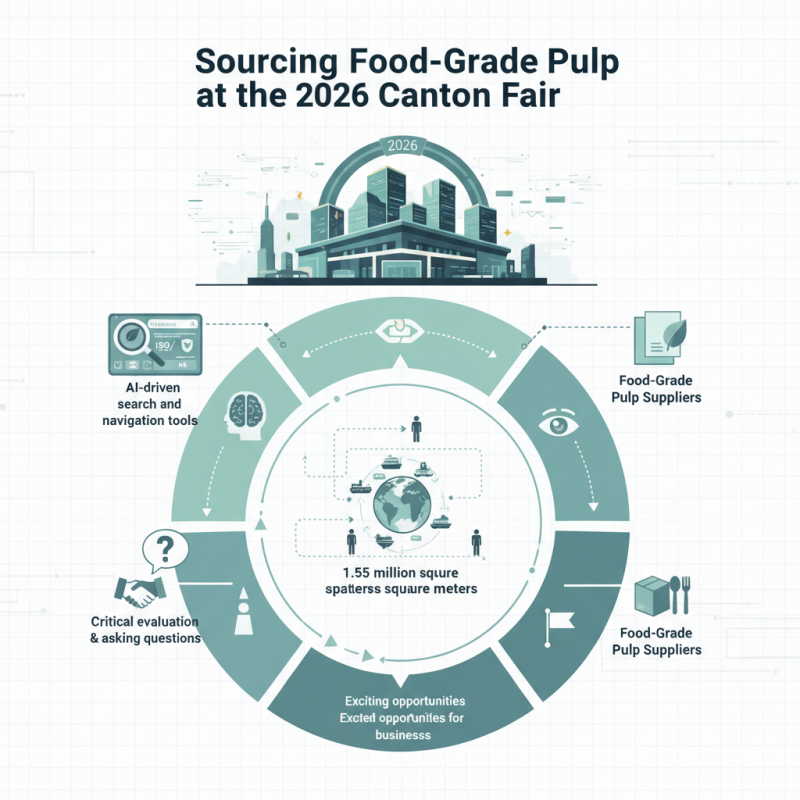
Sourcing Food-Grade Pulp at the 2026 Canton Fair opens up exciting opportunities for businesses. Held in April and May 2026, this event will showcase various industries, including food-related sectors. Attendees can expect to discover numerous suppliers offering high-quality options.
The Canton Fair has introduced AI-driven search and navigation tools. These features allow buyers to accelerate their search for food-grade pulp suppliers. You can filter results based on certifications like ISO and CE. This technology promises to save time and enhance the overall experience.
Navigating the expansive 1.55 million square meters of exhibition space might seem daunting. Smart route planning ensures a more efficient journey through the fair. However, it’s essential to remain critical of the information presented. Not all suppliers may meet your specific requirements. Keep an eye out for red flags, and don’t hesitate to ask questions.
Sourcing Trends for Food-Grade Pulp at Canton Fair 2026
As the 2026 Canton Fair approaches, sourcing trends for food-grade pulp are evolving. The global food-grade pulp market is projected to grow at a CAGR of 5.1% from 2024 to 2029. This growth is driven by the increasing demand for sustainable packaging solutions and clean-label products.
When attending the fair, focus on the innovative processes being adopted in pulp sourcing. Many suppliers are shifting toward eco-friendly extraction methods. These methods not only reduce waste but also enhance the quality of the pulp. Attend workshops to understand these advancements in detail.
Tip: Pre-register for sessions that cover trends in eco-friendly materials. Engage with exhibitors on their sustainable practices.
Additionally, reliability is essential. Market reports indicate that 40% of sourcing mistakes stem from poor supplier vetting. Ensure you check certifications and conduct background research. Ask for samples to assess quality before committing.
Tip: Create a checklist of must-have certifications and quality standards. This will streamline your evaluation process at the fair.
Keep your expectations realistic. The sourcing landscape is competitive, and not all suppliers will meet your standards. Stay adaptable to find the best options amidst the challenges.
Identifying Key Suppliers of Food-Grade Pulp in the Exhibition
Finding reliable suppliers of food-grade pulp at the 2026 Canton Fair requires careful planning. Start by researching exhibitors ahead of time. Many companies will showcase their products online. Look for those that specialize in food-grade materials. This helps narrow your options and prepare focused questions.
Engage with suppliers during the fair. Ask about their sourcing methods and quality control processes. Pay attention to the details they provide. Genuine suppliers will be transparent regarding their production facilities. Be mindful of their response times; a slow reply could indicate a lack of professionalism.
**Tips**: Network with other attendees. They may share experiences and recommendations. Take notes on suppliers that pique your interest. Trust your instincts. If something feels off, don't hesitate to explore other options. Not every contact will align with your needs. Being selective is crucial when building long-term partnerships.
Food-Grade Pulp Supplier Comparison at the 2026 Canton Fair
Evaluating Quality Standards and Certifications for Food-Grade Pulp
When sourcing food-grade pulp at the 2026 Canton Fair, quality standards are crucial. Many suppliers boast of their products, but not all meet stringent requirements. Certifications can be a guiding light in this process. Look for ISO certifications, as they ensure adherence to international quality standards. Organic certifications can also signal high quality, especially for natural products.
During your selection process, pay attention to details. Inspect samples closely. The texture, color, and smell can provide insight into the product's quality. Ask suppliers about their sourcing practices. Transparency is key. Some may hesitate to share how their pulp is processed. This could be a red flag.
Evaluating quality is not just about certifications. It requires a hands-on approach. Attend workshops or seminars at the fair. Learn from experts who share insights into the industry. Engaging with fellow buyers can also reveal valuable experiences. Take notes on your observations and refine your sourcing strategy accordingly.
Understanding Market Demand and Pricing for Food-Grade Pulp
Sourcing food-grade pulp at the 2026 Canton Fair requires an understanding of market demand and pricing trends. According to recent industry reports, the global market for food-grade pulp is projected to reach $2 billion by 2026. This growth reflects increasing consumer awareness about health and nutrition.
Market analysis indicates that the demand for natural and organic products drives preference for food-grade pulp. Data shows that 75% of consumers are willing to pay more for products with natural ingredients. Attending the Canton Fair provides opportunities to connect with suppliers focused on these trends.
Tip: Research target demographics before the fair. Knowing specific needs can guide your sourcing efforts more effectively. Additionally, network with industry professionals at the event. Building relationships can offer insights into pricing strategies.
Pricing for food-grade pulp varies based on quality and source. Reports indicate that high-quality pulps can range between $800 to $1,200 per metric ton. However, local sourcing might lower costs and enhance supply chain resilience. Be aware that pricing can fluctuate based on seasonal demand.
Tip: Keep a close watch on global trends. Fluctuations in supply can impact pricing dramatically. Utilize online resources and industry journals for ongoing insights. Staying informed can help you make better purchasing decisions.
Networking Strategies for Successful Procurement at Canton Fair
Sourcing food-grade pulp at the 2026 Canton Fair requires effective networking strategies. The Fair attracts thousands of suppliers and buyers. Many opportunities exist to find quality materials, but navigating these can be challenging.
According to recent industry reports, the demand for food-grade pulp is projected to grow by 7% annually. This growth means more competitors are hunting for suppliers. When attending the Fair, establish clear objectives. Identify specific types of pulp you need. Prepare questions in advance that address quality and sourcing regulations. Follow trending discussions in your sector. This knowledge can help you connect with the right suppliers.
Building relationships is crucial. Engaging in conversations can lead to partnerships that go beyond the Fair. Most suppliers appreciate genuine interest. Don’t rush your interactions; take time to learn about each business. Consider scheduling follow-up meetings. The networking process can feel overwhelming. Mistakes can happen in communication. Reflect on these experiences to improve your approach. Keep an open mind; flexibility can lead to unexpected benefits. Embrace the opportunity to learn from both successes and failures during the event.