Essential Tips for Choosing the Best Foil Wrapping Sheets?
Choosing the right Foil Wrapping Sheets can be a daunting task. With numerous options available, experience matters. Noted industry expert Sarah Chen states, "The right foil can enhance both presentation and preservation." Her insight reflects the importance of selecting quality materials.
Many aspects come into play when evaluating foil wrapping sheets. Factors include thickness, compatibility with food, and sustainability. Understanding these elements is crucial. You may find yourself overwhelmed by options, but focusing on specific needs can simplify the process.
Pay attention to the details. Are you looking for sheets that withstand high temperatures? Or ones that provide airtight protection? Many brands offer various features, and it’s easy to overlook essential qualities. Reflecting on your requirements can lead to better choices. Ultimately, the right foil wrapping sheets can elevate your food presentation and preservation game.
Understanding Different Types of Foil Wrapping Sheets Available in the Market
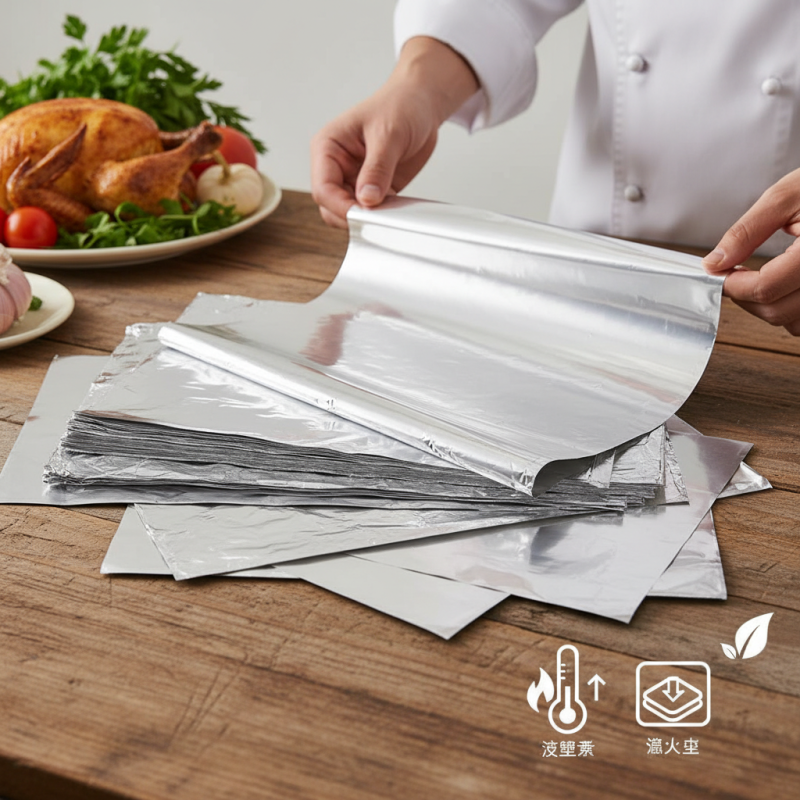
When selecting foil wrapping sheets, understanding the various types available is crucial. There are several options that cater to different needs. Standard aluminum foil sheets are versatile and commonly used for everyday tasks. They are great for cooking, baking, and wrapping food. However, the thickness can affect how well they insulate heat. Thinner sheets may not hold up as well in high-temperature situations.
Another type is heavy-duty foil. It is thicker, offering better strength, making it ideal for grilling and steaming. If you’re looking for durability, heavy-duty foil is often the best choice. Some people overlook the importance of thickness and end up with sheets that tear easily.
Then there are specialty foil sheets, such as those coated with non-stick surfaces. These can be invaluable for tasks where food tends to stick. Yet, users sometimes find that the coating wears off with high heat, leading to unexpected messes.
Finally, consider pre-cut foil sheets. They save time and effort, especially during meal prep. However, sizing can be inconsistent, leading to waste if not measured properly. Being mindful of these details can significantly improve your cooking experience.
Evaluating the Thickness and Durability of Foil Wrapping Sheets
When selecting foil wrapping sheets, thickness and durability are key factors. Industry reports indicate that thicker sheets offer better resistance to tearing. Typically, sheets range from 30 to 100 microns in thickness. A thickness of 50 microns is often recommended for light use, while heavy-duty applications may require sheets at 75 microns or more. Thicker sheets can withstand higher temperatures without losing integrity.
Durability is also influenced by material quality. Studies show that aluminum foil can resist moisture and block light, preserving food quality. However, not all foil is created equal. Some sheets may have a tendency to warp or break under stress. Choosing a standard thickness and checking for certifications can enhance reliability. Many users overlook these details, leading to frequent roll replacements and increased costs.
Not every environment is suitable for all types of foil. For instance, a kitchen with high humidity may demand different sheets compared to a dry pantry. Users often assume that all foil sheets are the same. They fail to consider that variations in manufacturing can affect performance. Understanding these subtleties can greatly impact your choice. Select sheets with a good balance between thickness and durability to ensure the best results.
Key Features to Look for in High-Quality Foil Wrapping Sheets
When selecting foil wrapping sheets, certain key features stand out. Quality thickness is crucial. Thicker sheets are more durable and provide better insulation. They prevent leaks and maintain food temperature longer. Look for sheets that are heavy-duty yet easy to tear. A balance between strength and usability is ideal.
Another important factor is the non-stick coating. Non-stick foil helps in easy food release, especially for delicate dishes. Consider sheets that can withstand high temperatures, too. This is particularly useful for baking and grilling. High-quality foil should resist burning and maintain its integrity when exposed to heat.
Reflect on the size options available. Different cooking methods may require various sheet sizes. Ensure you have a range suitable for your needs. Also, check for eco-friendly materials. Sustainable options are increasingly becoming available. Such factors contribute to making a mindful choice that aligns with your values and needs.
Essential Tips for Choosing the Best Foil Wrapping Sheets
| Feature | Description | Benefits |
| Material Quality | Choose sheets made from heavy-duty aluminum for durability. | Prevents tearing and ensures even heat distribution. |
| Thickness | Look for sheets that are at least 18 microns thick. | Provides better protection against burns and spills. |
| Size Options | Available in various dimensions to suit your cooking needs. | Flexibility for wrapping different items, from small to large. |
| Non-stick Coating | Some sheets come with a non-stick surface. | Easier cleanup and prevents food from sticking. |
| Oven & Grill Safe | Check for heat tolerance before use. | Versatile use, ideal for baking and grilling. |
| Eco-Friendly Options | Consider sheets made from recycled aluminum. | Reduces environmental impact and supports sustainability. |
Eco-Friendly Foil Wrapping Options: Benefits and Options
When considering eco-friendly foil wrapping options, the benefits are compelling. These materials are often made from recycled substances, reducing waste. Some options use biodegradable coatings, breaking down naturally over time. This method contrasts sharply with traditional foil that takes years to decompose.
Choosing sustainable wrapping solutions not only supports the environment but also enhances your reputation. Consumers increasingly seek out brands that prioritize green practices. Biodegradable foil sheets can provide the same functionality as standard sheets. They are effective in preserving food freshness while minimizing environmental impact. A real drawback is the limited availability in some areas. Not all stores carry these innovative products.
Being mindful of materials is essential in making informed choices. Opt for options that clearly state their eco-friendly credentials. Look for certifications that back these claims. Understanding the actual impact of your choices can be tricky. It's important to balance convenience with sustainability in wrapping decisions. Each small step toward eco-friendly options can make a difference.
Comparative Analysis of Costs: Budget vs. Premium Foil Wrapping Sheets
When considering foil wrapping sheets, analyzing costs is crucial. Budget companies often offer cheaper options. However, price alone does not guarantee quality. These low-cost sheets may lack durability. Thinner materials can tear easily. This can lead to messy packing and wasted food. Users might end up using more sheets due to this fragility.
On the other hand, premium sheets come with higher costs. These products usually offer better strength and versatility. They can withstand heat and moisture more effectively. Investing in high-quality foil sheets is often more economical over time.
Many consumers hesitate at the price tags of premium options. It’s important to evaluate the potential long-term savings. Reflecting on the experience of using inferior sheets can drive this point home. In many cases, opting for cheaper sheets might lead to dissatisfaction. Therefore, understanding your specific needs is key.
Comparative Analysis of Costs: Budget vs. Premium Foil Wrapping Sheets