Essential Tips for Choosing the Right Clam Packaging?
Choosing the right clam packaging can greatly impact the quality and freshness of your product. Proper packaging is essential for maintaining the flavor and texture of clams. It protects them from external elements and ensures they reach customers in optimal condition.
When selecting clam packaging, consider materials that provide durability and insulation. Plastic containers are popular for their lightweight and moisture resistance. Some may prefer eco-friendly options, though they may lack the same durability. Be mindful of the packaging size. Too much space can lead to movement and potential damage.
Each type of clam packaging has its benefits and drawbacks. Reflect on your specific needs. Will the packaging hold up under refrigeration? Can it attractively display your clams? Making a thoughtful choice is vital for success. Remember, the right clam packaging is not just functional; it's a part of your product’s appeal.
Understanding Clam Packaging Options: Types and Materials
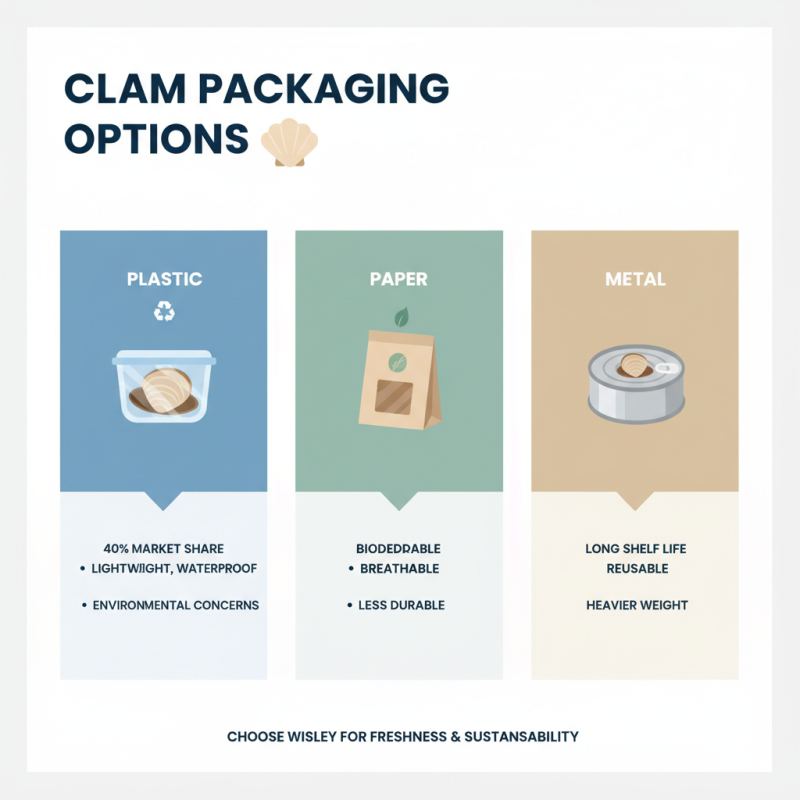
When choosing clam packaging, understanding the options is crucial. Various materials can impact freshness and shelf life. Common options include plastic, paper, and metal. Each has its unique benefits and drawbacks. According to industry reports, plastic packaging has gained significant traction, making up 40% of the market. It's lightweight and waterproof, but can raise environmental concerns.
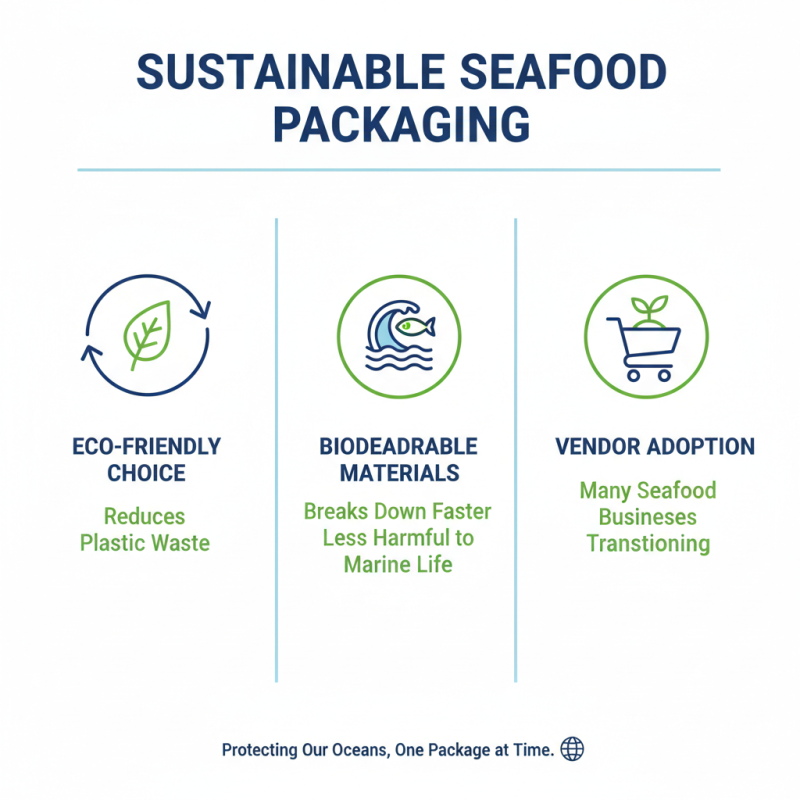
Bio-based materials are becoming popular as an alternative. They can decompose faster than traditional plastics. Yet, they may not offer the same durability. A recent study indicated that 30% of consumers prefer packaging made from renewable resources. This shift highlights a growing awareness of sustainability in the seafood industry.
However, there can be challenges. Not all clam types fit into the same packaging category. For instance, fresh clams require breathable materials to maintain quality. Proper storage conditions are essential. Failing to address this can lead to spoilage and loss of flavor. The right choice may vary by region and consumer preference, prompting companies to reassess their packaging strategies continually.
Evaluating the Importance of Freshness in Clam Packaging
When selecting packaging for clams, freshness should be a top priority. Clams are sensitive seafood that spoil quickly without proper care. Packaging plays a crucial role in maintaining their natural environment. Using breathable materials can help prevent moisture buildup, which often leads to bacterial growth.
Consider the temperature during transit. If clams are not kept cold, they can lose quality rapidly. It's essential to evaluate insulation methods used in packaging. Styrofoam containers or gel packs may help, but remember that not all solutions are equally effective. Some packaging options may cause temperature fluctuations that can harm the shellfish.
The design of the packaging itself can also affect freshness. If it’s too tight, it may restrict air circulation. This can lead to a suffocation effect, impairing the clams’ natural vitality. An ideal package strikes a balance—it should protect the clams while allowing some air flow. It's crucial to reflect on past experiences and learn from them. Sometimes, a packaging decision may seem perfect, but later reveals flaws in execution.
Essential Tips for Choosing the Right Clam Packaging
This bar chart demonstrates the relative importance of various factors to consider when choosing clam packaging. Freshness is the top priority, followed by durability, sustainability, cost, and convenience.
Analyzing Cost-Effectiveness of Different Clam Packaging Solutions
When considering clam packaging, cost-effectiveness is key. Different packaging solutions have varying impacts on budget and quality. Choosing the right type can save money and ensure freshness. For example, using biodegradable packaging may initially cost more but can attract environmentally conscious consumers.
One crucial tip is to evaluate the materials. Some materials cost less but may harm the product’s quality. A cheaper option might lead to spoilage, incurring higher costs later on. Always analyze the durability of the packaging. Will it withstand transportation? If not, consider your investment wisely.
Another tip is to assess your target market. Understanding what your customers value can guide your choices. If they prefer eco-friendly options, it may justify higher packaging costs. Reflect on past choices; have they led to customer satisfaction or complaints? Balancing cost and quality is challenging yet essential. The right packaging should protect clams and enhance their appeal on the shelf.
Essential Tips for Choosing the Right Clam Packaging
| Packaging Type |
Material |
Cost per Unit ($) |
Shelf Life (Days) |
Sustainability Rating |
| Plastic Containers |
Polypropylene (PP) |
0.20 |
7 |
2/5 |
| Glass Jars |
Glass |
0.50 |
30 |
4/5 |
| Cardboard Boxes |
Recycled Cardboard |
0.15 |
14 |
5/5 |
| Foil Pouches |
Aluminum Foil |
0.30 |
21 |
3/5 |
| Biodegradable Bags |
PLA |
0.25 |
10 |
5/5 |
Regulatory Standards for Clam Packaging: What You Need to Know
Choosing the right clam packaging requires careful consideration of regulatory standards. Different regions have specific regulations to ensure safety and quality. It’s crucial to understand these requirements before selecting materials. Packaging must protect clams from contamination and preserve freshness.
Packaging materials should comply with food safety regulations. This typically includes using food-grade plastics or paper. Always check for certifications that verify compliance with health standards. Labels must contain essential information like origin, harvest date, and storage instructions. Mislabeling can lead to serious consequences.
Consider the environmental impact of your packaging choices. Sustainable materials appeal to eco-conscious consumers. However, they may not always meet durability needs. Assess the trade-offs between sustainability and functionality. Ultimately, finding the right balance is key.
When in doubt, consult with experts in food packaging. They often offer insights that can greatly influence your decision. Always remember to keep the end consumer in mind. Their safety and satisfaction should be your priority.