Top 10 Bulk Clamshell Packaging Solutions for Global Buyers?
In the evolving landscape of packaging, bulk clamshell packaging has become crucial for businesses. Mary Johnson, a renowned expert in sustainable packaging solutions, states, "Packaging should protect products and the environment." Her insight reflects a growing trend among global buyers.
Bulk clamshell packaging caters to diverse industries. It offers durability and visibility for products like electronics, cosmetics, and agricultural goods. Buyers appreciate its efficient design, which maximizes shelf space. The flexibility of this packaging allows for both freshness and product protection.
However, challenges exist. Not every clamshell design meets eco-friendly standards. Buyers must navigate numerous options to find the right balance between practicality and sustainability. As the market grows, so does the need for reliable solutions. Understanding the top options is essential for making informed decisions in bulk clamshell packaging.

Understanding Bulk Clamshell Packaging: Definition and Purpose
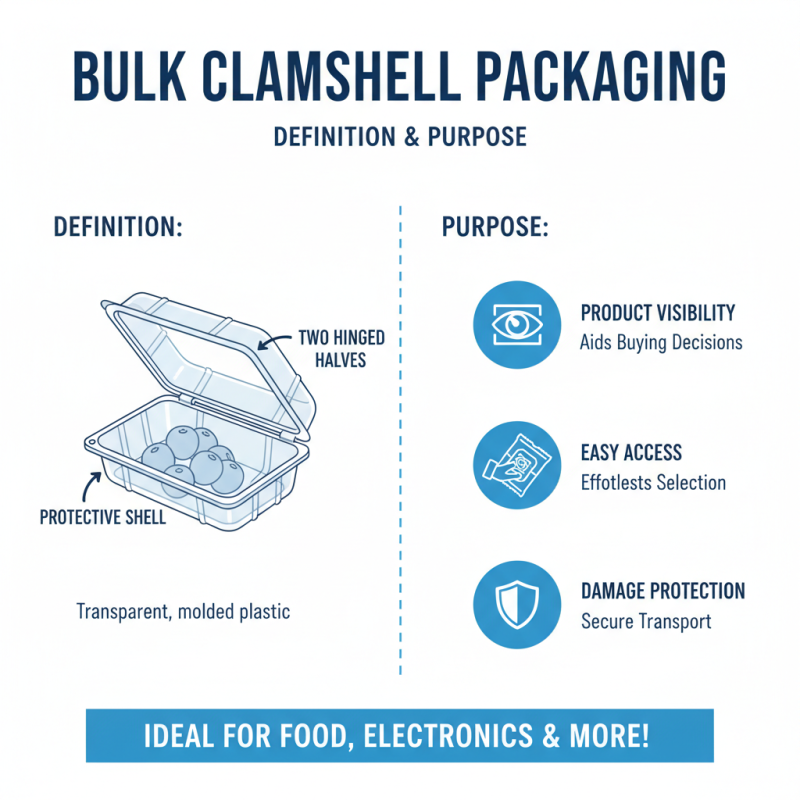
Bulk clamshell packaging serves a vital role in various industries. This type of packaging consists of two hinged halves, creating a protective shell for products. Unlike traditional boxes, clamshells allow for visibility. This visibility helps customers make quick buying decisions. Buyers appreciate this transparency, especially for items like food or electronics. The design also offers easy access during product selection.
The purpose of bulk clamshell packaging extends beyond aesthetics. It protects the products from damage during transport. The rigid structure helps resist impact and keeps the items intact. Many clamshells are made from recyclable materials, adding an eco-friendly aspect. Yet, not all bulk clamshells meet the same quality standards. Some might lack the strength needed for heavier items. Buyers must assess the durability based on their specific needs, which requires expertise and careful evaluation.
Sustainability is a growing concern. Some clamshells may not degrade easily. This can lead to environmental consequences. Educating buyers on proper disposal methods becomes crucial. Understanding both the benefits and limitations of bulk clamshell packaging is essential for informed decision-making.
Key Factors to Consider When Choosing Clamshell Packaging Solutions
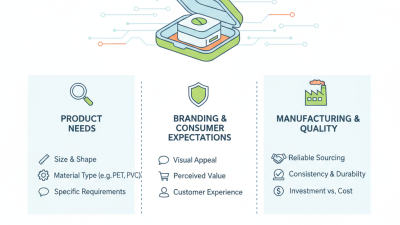
When selecting clamshell packaging solutions, several key factors demand attention. First, the material used is critical. Options include PET, PVC, and PS. Each material has distinct properties affecting durability and recyclability. For example, PET is often praised for its strength and recyclability, attracting eco-conscious buyers. According to recent industry reports, the global clamshell packaging market is projected to reach $7 billion by 2026, highlighting the rising demand for sustainable options.
Design also plays a pivotal role in the efficacy of clamshell packaging. Effective design enhances product visibility while ensuring security. Transparency allows consumers to see the product without opening the package. However, it’s essential to balance visibility with protection. A poorly designed clamshell may lead to product damage during transit, affecting brand reputation. Statistics show that damaged packaging can lead to a 24% increase in return rates.
Cost is another crucial factor. It’s vital to find a solution that provides quality without excessive spending. Many buyers find themselves torn between cheaper options and higher-quality choices. Investing in better packaging can prevent loss in the long run. In fact, research indicates that effective packaging can boost sales by up to 30%. This reflects the need for thoughtful purchasing decisions when it comes to clamshell packaging. Each choice carries weight and requires careful consideration.
Top 10 Bulk Clamshell Packaging Solutions for Global Buyers
This chart illustrates the popularity index of various clamshell packaging solutions, ranging from plastic to biodegradable materials. Understanding these metrics can help global buyers make informed decisions when selecting clamshell packaging that best suits their needs.
Top Manufacturers of Bulk Clamshell Packaging Worldwide
The bulk clamshell packaging market is growing rapidly, catering to diverse industries. A report by Smithers Pira projects the global clamshell packaging market will reach $4.6 billion by 2025, driven by increased demand for eco-friendly and durable solutions.
Manufacturers are innovating to meet various customer needs. They focus on improving materials for sustainability and functionality.
Several leading manufacturers dominate this space, offering innovative designs. These companies prioritize high-quality materials that enhance product visibility while ensuring safety during transportation. Transparency in packaging helps consumers make informed choices. Despite advancements, it's essential to address certain gaps. The industry struggles with recycling challenges, which limit the sustainability of clamshells.
As the market evolves, stakeholders must adapt and reflect on their practices. Data indicates that nearly 30% of clamshells end up in landfills, highlighting the need for improvement. Collaboration between manufacturers and recyclers is crucial. Addressing these issues will ensure a more responsible approach to packaging solutions. Adopting these practices may take time, but they are critical for a sustainable future.
Comparative Analysis of Different Types of Clamshell Materials
When selecting clamshell packaging, buyers face various material options. Each material has distinct properties and advantages. Polyethylene terephthalate (PET) clamshells are highly recyclable. They achieve a recycling rate of around 30%. This feature appeals to environmentally conscious brands. However, PET may not be the best choice for products requiring extended shelf life.
Polystyrene (PS) offers rigidity and cost-effectiveness. It is lightweight and provides decent protection. But, its recycling rate is much lower, at about 10%. This lack of sustainability raises concerns among eco-aware consumers. Moreover, PS can break easily under pressure, leading to product damage.
Biodegradable options like PLA (polylactic acid) clamshells are gaining traction. They decompose under commercial composting conditions. However, the cost can be prohibitive for mass production. Data suggests that while interest is growing, only 5% of buyers are willing to invest in these solutions. Each material presents unique challenges and advantages. Buyers must carefully consider product needs and sustainability goals in their selection process.
Innovations and Trends in Bulk Clamshell Packaging Industry
The bulk clamshell packaging industry is evolving rapidly. New materials are being introduced that enhance sustainability.
These innovations focus on reducing waste and promoting recycling. Companies are adopting biodegradable options to meet eco-friendly demands.
Trends show a shift toward customization. Businesses are seeking packaging that reflects their brand identity. This creates opportunities for unique designs that attract customers.
However, finding the right balance between aesthetics and functionality can be challenging.
Another notable trend is the rise of smart packaging. Integrating technology into clamshell designs helps improve supply chain transparency.
It also enhances product safety. Yet, the cost of smart packaging can be a barrier for smaller companies. Continuous innovation is necessary to address these challenges while meeting market needs.