Top China Best Packaging Sealing Machine for Global Buyers?
In the rapidly evolving world of packaging, the demand for reliable and efficient packaging sealing machines has surged. According to a recent market report by Grand View Research, the global packaging machinery market is projected to reach USD 55 billion by 2025, fueled by increasing consumer demands and automation trends. Packaging sealing machines play a vital role in this growth, ensuring products are securely sealed for freshness and safety.
Moreover, the rise of e-commerce has stimulated the need for effective packaging solutions. A ReportLinker survey indicates that 79% of consumers prioritize packaging that can prevent damage during transportation. This statistic highlights the critical nature of investing in high-quality packaging sealing machines. However, not all machines meet industry standards. Buyers often face challenges in selecting the right model that combines efficiency and durability.
As global buyers search for the best packaging sealing machines, it becomes essential to evaluate options critically. Many machines boast advanced features like automatic adjustment and energy efficiency. Yet, potential users must also consider factors like maintenance costs and adaptability to various production lines. There's no one-size-fits-all solution; each buyer must assess their specific requirements to ensure optimal performance and reliability.
Overview of China's Packaging Sealing Machine Industry
China's packaging sealing machine industry has witnessed significant growth over the last decade. Market analysts report that the industry's total value has reached approximately $5 billion as of 2023. This increase stems from the rising demand for efficient packaging solutions across various sectors. Food and beverage remains the largest segment, accounting for nearly 40% of the market share. As consumer preferences evolve, companies seek innovative sealing technologies to ensure product safety and extend shelf life.
Despite this rapid growth, the industry faces challenges. Many manufacturers struggle with quality control and standardization. Reports indicate that approximately 25% of machines produced do not meet international performance standards. This inconsistency can lead to supply chain disruptions. Furthermore, the need for skilled labor in navigating advanced technologies remains a concern. The industry must invest in workforce training to meet both current and future demands.
The competition is fierce, with many players aiming for global expansion. Emerging companies are bringing fresh ideas but often lack the experience of established manufacturers. Data shows that around 60% of new entrants fail within the first three years. This highlights the importance of not only innovation but also understanding the complexities of international markets. The path forward requires balancing innovation with reliability and quality assurance.
Top China Best Packaging Sealing Machine for Global Buyers
| Machine Type |
Production Capacity (Units/Hour) |
Power Consumption (KW) |
Sealing Type |
Price Range (USD) |
| Automatic Band Sealer |
500-1000 |
1.5 |
Heat Sealing |
800 - 1500 |
| Horizontal Flow Wrapper |
300-800 |
3.0 |
Cold Sealing |
1200 - 2000 |
| Vacuum Sealer |
100-300 |
0.8 |
Vacuum Packaging |
400 - 900 |
| Pneumatic Sealer |
200-500 |
1.2 |
Pressure Sealing |
600 - 1200 |
| Induction Sealer |
150-400 |
2.0 |
Induction Sealing |
700 - 1300 |
Key Features of Top Packaging Sealing Machines in China
Packaging sealing machines are vital in various industries. In China, manufacturers offer advanced features to meet global standards. These machines are designed for efficiency and reliability. Most models boast user-friendly interfaces and robust engineering. Precision sealing is a key feature, ensuring that every package is securely closed. This enhances product freshness and safety.
Many machines come equipped with automatic feeding systems. This feature reduces labor costs and increases production speed. Advanced sensors monitor the sealing quality. These sensors can detect potential issues in real-time, allowing for immediate adjustments. Energy efficiency is another consideration. Machines today consume less power, aligning with eco-friendly practices.
However, not all machines are perfect. Some models may struggle with thicker materials. Others might require frequent maintenance, affecting productivity. Buyers should carefully assess their needs before making a purchase. Understanding specific requirements can prevent future challenges. It’s essential to consider durability and support services offered by manufacturers. These factors directly influence long-term investment success.
Comparison of Leading Packaging Machine Brands in China
As the demand for efficient packaging grows globally, Chinese manufacturers are stepping up to the challenge. A report from the International Packaging Association highlights that the packaging machinery market in China is projected to reach $37 billion by 2025. This expansion reflects the country’s emphasis on innovation and advanced technology. Chinese brands are increasingly incorporating automation to enhance production rates, ensuring they meet global standards.
When comparing leading brands, one must consider factors like adaptability and technological integration. Many machines now offer features such as real-time monitoring and cloud connectivity. According to a recent study, 65% of businesses prioritize these capabilities to streamline operations. However, not all brands provide the same level of reliability. Some users reported issues with machine maintenance and parts availability, highlighting a gap in service support.
Price competitiveness remains a strong advantage for Chinese manufacturers. A comparative analysis reveals that equipment costs can be up to 30% lower than similar offerings in other markets. Yet, this price point can sometimes compromise quality and longevity. Ensuring durability should be a focus for buyers when evaluating options. Understanding the balance between cost and reliability is essential for making an informed decision.
Global Market Trends for Chinese Packaging Sealing Machines
The global packaging sealing machine market is experiencing notable growth. According to industry reports, the market is projected to reach a value of $10 billion by 2026. This growth is driven by the increasing demand for packaged products across various sectors such as food and beverage, pharmaceuticals, and consumer goods. The rise of e-commerce also plays a significant role in boosting this demand as companies seek efficient packaging solutions to ensure product safety during shipping.
China has emerged as a key player in this market. Chinese manufacturers dominate the packaging sealing machine industry, with a market share of nearly 30%. Their machines are known for their efficiency and affordability. Innovations, such as advanced sealing technology and automation, have enhanced productivity. However, challenges remain. Many buyers express concerns about the quality and reliability of some products in the market. Data indicates that about 20% of buyers faced issues related to malfunctioning machines in their first year of use. This required reflection and improvement in quality control practices among manufacturers.
As global buyers navigate their options, understanding these trends is crucial. They must weigh costs against reliability and support. Reports suggest that companies investing in training and after-sales service see better performance from machinery. This alignment can significantly improve the user experience and overall satisfaction. The focus now shifts to creating machines that not only seal products effectively but also offer long-term reliability.
Factors Influencing Buyer Choices for Packaging Machinery
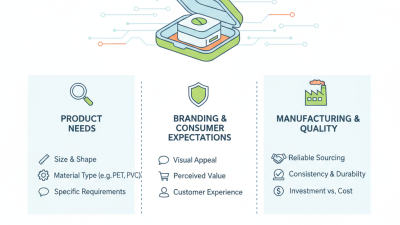
When choosing packaging sealing machines, various factors come into play. Buyers must consider the machine's build quality and material. Durability is essential for long-term use. A poorly constructed machine can lead to downtime and increased costs. The type of products being sealed also greatly influences choices. Different materials require specific sealing methods to ensure effectiveness.
Another critical factor is ease of operation. Machines should be user-friendly to minimize training time. Complicated interfaces can frustrate workers and slow down production. Potential buyers might also look at after-sales service. Support and maintenance options can significantly affect the long-term satisfaction of a purchase. Prospective buyers may find it challenging to weigh these variables against their budget constraints.
Finally, technological advances are shaping buyer preferences. Automated solutions offer efficiency and precision that manual methods cannot. However, the initial investment for high-tech machinery can be daunting. There’s a need for thorough research to determine what technology best fits specific requirements. Balancing automation and cost-effectiveness is a delicate task for buyers. Each option comes with its own set of challenges and opportunities to consider.