2026 Top Trends in Blister Pack Packaging Solutions?
In the evolving world of blister pack packaging, trends shift rapidly. Experts weigh in on what to expect for 2026. Michael Johnson, a leading figure in the industry, states, “Innovation in blister pack packaging is essential for market success.” His insights highlight the importance of adapting to consumer needs and advancing technology.
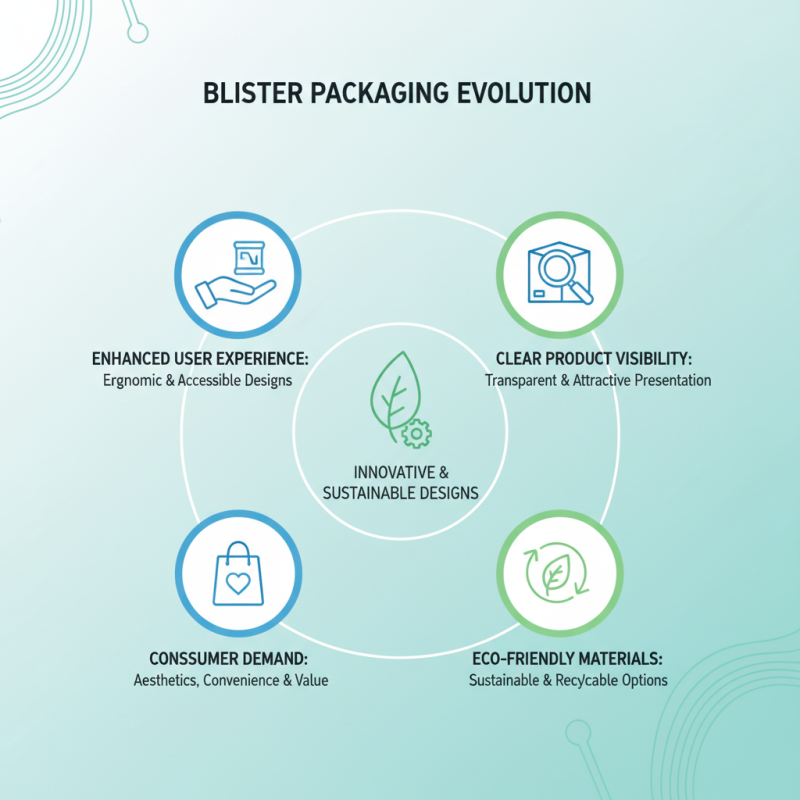
The focus on sustainability is increasing. Manufacturers seek eco-friendly materials that maintain quality. Biodegradable options and recycled materials come to the forefront. Companies must balance functionality and environmental responsibility. As Johnson points out, efficiency doesn't have to compromise sustainability.
Additionally, the demand for customization rises. Brands want unique packaging that reflects their identity. This trend presents both opportunities and challenges. While innovation is exciting, it can lead to overcomplication. The industry must navigate these changes carefully to thrive. As blister pack packaging continues to evolve, staying informed and adaptable is key.

Emerging Sustainable Materials in Blister Pack Packaging
The packaging industry is evolving rapidly, focusing on sustainability. Blister pack packaging solutions are no exception. As we move towards 2026, new materials are emerging. These materials not only reduce waste but also enhance product protection.
One of the most promising developments is biodegradable plastics. These materials break down naturally, reducing landfill accumulation. However, questions remain about their durability and performance in diverse environments. Consumers expect quality, and manufacturers need to address these concerns.
Recycled materials are also gaining traction. Using post-consumer waste can significantly lower the carbon footprint. Yet, it’s crucial to ensure consistent quality and safety. Contamination is a risk. Manufacturers must navigate the complexities of recycling systems. By focusing on these innovative materials, the industry can lead towards a greener future.
2026 Top Trends in Blister Pack Packaging Solutions
Advancements in Blister Packaging Technology and Automation
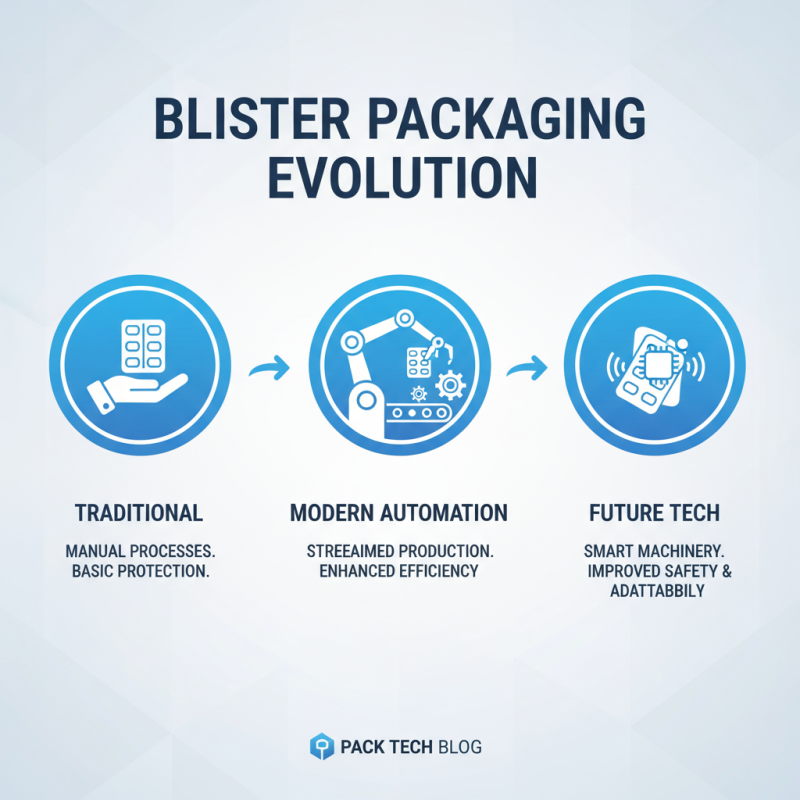
Blister packaging continues to evolve, embracing new technologies and automation. These advancements enhance efficiency and product safety. Automation streamlines the production process, allowing for faster output and reduced labor costs. Smart machinery can adapt to different packaging needs. Automation also improves consistency in production.
When considering blister packaging solutions, keep these tips in mind. Evaluate the automation levels in the machinery. It’s important to choose equipment that can handle your specific materials. This can prevent compatibility issues and reduce waste. Additionally, standardization in packaging formats can simplify processes and improve efficiency.
The integration of technology raises questions. As machines become more sophisticated, maintenance becomes crucial. Regular checks help avoid downtime. It's essential to ensure that staff is well-trained to operate advanced systems. Understanding the capabilities and limitations of these technologies is necessary for optimal performance.
Consumer Preferences Driving Changes in Blister Pack Designs
Consumer preferences are rapidly changing blister pack designs. Today’s shoppers seek convenience and sustainability. They want packaging that is easy to open and resealable. Simple designs with clear branding catch their attention. Colors and graphics matter. These elements can attract customers in a crowded market.
Sustainability is at the forefront. Many consumers prefer eco-friendly materials. They are concerned about waste. Brands must adapt by using recyclable or biodegradable materials. However, achieving this can be challenging. There is often a trade-off between functionality and sustainability. Striking a balance is crucial for modern packaging solutions.
Another important factor is health and safety. Consumers desire tamper-evident features. They need to trust the products they buy. However, adding too many security elements can complicate packaging. This may frustrate users and drive them away. Designers must carefully consider these aspects to meet expectations.
Regulatory Impacts on Blister Pack Packaging Solutions in 2026
The regulatory landscape for blister pack packaging is evolving rapidly. By 2026, stricter regulations are expected to enhance safety and sustainability in packaging solutions. According to industry reports, around 65% of authorities plan to impose stricter recyclability guidelines. This shift impacts manufacturers deeply, as failure to comply could result in significant penalties. The shift might restrict traditional materials and push for innovative alternatives.
As companies strive for compliance, adaptability is key. Industry experts emphasize the need for transparent materials that align with new guidelines. Research indicates that packaging that integrates smart technologies could meet regulatory demands while enhancing user experience. However, developing these new solutions can be costly and time-consuming. Manufacturers must assess their current processes carefully.
Moreover, the push for sustainability often clashes with cost-effectiveness. Recent data shows that 70% of companies face challenges balancing compliance costs with market expectations. Investing in compliant blister pack solutions may lead to initial financial strain. This could hinder the ability to innovate if resources are tight. The road ahead requires a delicate balance between regulation adherence and practical execution.
2026 Top Trends in Blister Pack Packaging Solutions - Regulatory Impacts on Blister Pack Packaging Solutions in 2026
| Trend |
Description |
Regulatory Impact |
Projected Outcome |
| Sustainability |
Increase in eco-friendly materials and processes. |
Stricter regulations on plastic usage and waste management. |
Adoption of biodegradable and recyclable materials. |
| Smart Packaging |
Integration of technology for enhanced user interaction. |
Compliance with data protection and product safety standards. |
Improved customer engagement and tracking. |
| Miniaturization |
Shrinking package sizes for convenience. |
Regulations on dosage and packaging for pharmaceuticals. |
Greater consumer convenience without compromising safety. |
| Child-Resistant Features |
Enhanced safety in packaging for hazardous materials. |
Increased regulations for child safety in packaging design. |
Safer products for households with children. |
| Customization |
Tailored packaging solutions for different markets. |
Compliance with regional branding and labeling laws. |
Higher market acceptance and brand loyalty. |