2026 Best Blister Packing Machine for Global Buyers?
The blister packing machine industry has experienced significant growth, catering to various sectors globally. As industry expert Dr. Jane Smith states, "Efficiency and reliability are crucial in choosing a blister packing machine." This insight underscores the importance of selecting the right equipment for both manufacturers and consumers.
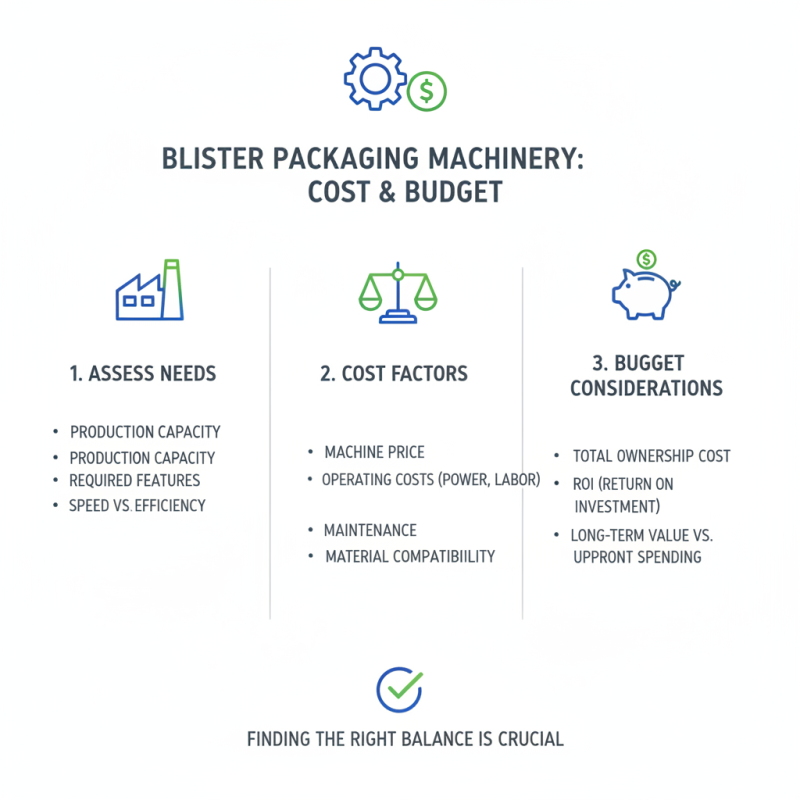
When evaluating blister packing machines, buyers should consider several factors. These include production speed, ease of use, and maintenance requirements. Understanding these elements can help avoid costly mistakes. Companies often overlook the importance of thorough research, which can lead to subpar choices.
Moreover, the technology in this field evolves rapidly. Potential buyers must stay informed about the latest innovations. A truly effective blister packing machine not only meets production demands but also aligns with sustainability efforts. Investing time to assess various options can yield long-term benefits for any business in this sector.

The Importance of Blister Packing Machines in Manufacturing Industries
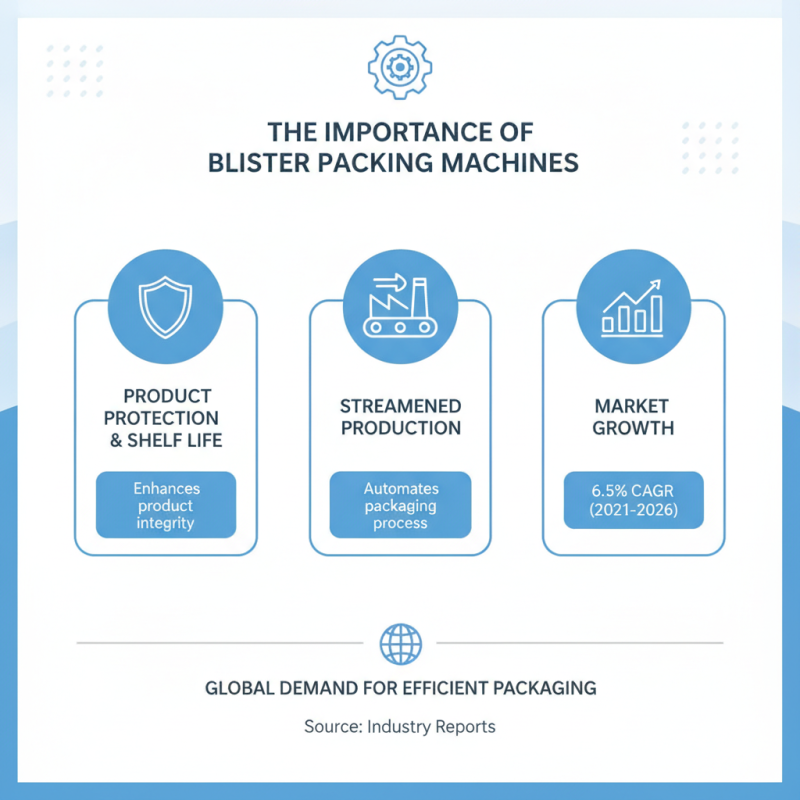
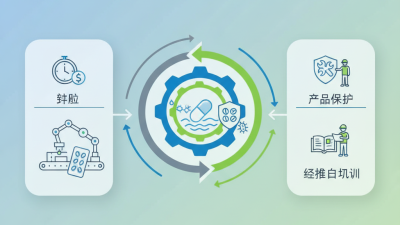
Blister packing machines play a vital role in various manufacturing industries. They enhance product protection, improve shelf life, and streamline production processes. According to industry reports, the global blister packaging market is expected to grow at a CAGR of 6.5% from 2021 to 2026. This indicates a rising demand for efficient packaging solutions across sectors.
These machines provide effective sealing against moisture and contamination. This is crucial in industries like pharmaceuticals, where product integrity is paramount. Data shows that 70% of pharmaceutical products utilize blister packaging for these reasons. The precision of blister packing also reduces waste. Less leftover material means lower costs in the long run.
Tips: Always consider the machine’s adaptability to various products. Flexibility can future-proof investments. Also, assess the speed versus quality output: which matters more for your specific needs? Balancing these elements can be tricky but essential for success.
Key Features to Consider When Selecting a Blister Packing Machine
When selecting a blister packing machine, various key features should be prioritized. Speed plays a crucial role, as a machine’s output can impact production efficiency. A higher speed means more products packed in less time. However, balancing speed with reliability is essential; a faster machine may lead to more errors. Always assess the speed versus quality trade-off.
Next, consider the machine's flexibility. A versatile blister packing machine can handle different packaging materials and sizes. This adaptability is vital for manufacturers facing fluctuating demand. Look for machines with adjustable settings. Maintaining precision while changing formats can be challenging but is necessary to enhance operational efficiency.
Moreover, ease of maintenance should not be overlooked. Machines that are difficult to clean or service can lead to downtime. Regular maintenance is crucial, yet if a machine makes this tough, it might not be a good fit. It’s important to understand how the machine fits into your workflow. Evaluate potential challenges and the expertise required to manage them properly.
Top Brands and Models of Blister Packing Machines for Global Markets
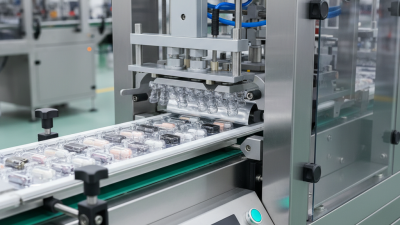
When exploring the best blister packing machines for 2026, buyers must consider various factors. Key aspects include efficiency, adaptability, and user-friendliness. Machines that can handle different sizes of products often attract more interest. Blister packing is essential in industries like pharmaceuticals and cosmetics. Reliable equipment ensures product safety and enhances shelf appeal.
Leading brands focus on innovation and quality. Some machines offer advanced features such as programmable settings. These allow for quick adjustments to accommodate diverse production needs. However, not all machines are perfect. Some may lack robust customer support or sufficient warranty coverage. Potential buyers should evaluate their maintenance needs and operational support.
Understanding local market demands is crucial. Potential users might find that certain models excel in specific regions. Variations in regulatory standards and consumer preferences can also impact choice. Research is vital for making informed decisions. Investing time in various models and their capabilities gives buyers the upper hand. Trial runs can reveal a lot about machine performance in real-world settings.
Future Trends in Blister Packing Technology and Innovation
The blister packing industry is evolving rapidly. Technology advancements drive innovation in efficiency and sustainability. Automation is becoming more common in blister packaging processes. Machines are getting faster and more precise. This helps reduce production costs and waste. Manufacturers can now produce high-quality packaging at lower expenses.
Another key trend is the shift towards eco-friendly materials. Companies are exploring biodegradable and recyclable options. These materials appeal to environmentally conscious consumers. However, the transition requires careful consideration. Not all alternative materials meet the same performance standards. This means companies need to adapt their processes and machinery.
Investing in smart technology is also on the rise. IoT integration allows for real-time monitoring and adjustments. This leads to greater production control and lower downtime. However, reliance on technology can pose risks. Cybersecurity threats are becoming a concern for many operations. Balancing innovation with security is crucial for manufacturers today.