Why Choose Blister Card Printing for Your Product Packaging?
In today's competitive market, product packaging plays a crucial role in attracting consumers. Brands are increasingly turning to blister card printing for its unique advantages. A recent study by Smithers Pira shows that the global market for blister packaging is projected to reach $43.5 billion by 2025. This growth stems from the rising demand for effective, protective, and visually appealing packaging solutions.
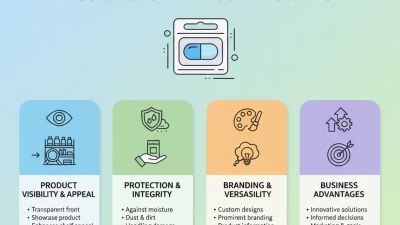
Blister card printing offers several benefits. It not only enhances product visibility but also provides a protective barrier. According to Packaging Strategies, 60% of consumers make purchase decisions based solely on packaging. This emphasizes the importance of selecting the right packaging method. However, companies often overlook sustainability in their packaging choices. A focus on eco-friendly materials is essential in this changing market landscape.
While blister card printing is efficient, it’s also important to evaluate costs. Some manufacturers may face higher production expenses. Striking a balance between cost and quality is crucial. Ultimately, businesses must reflect on their packaging strategies to align with consumer preferences and industry trends.
Understanding Blister Card Printing: An Overview
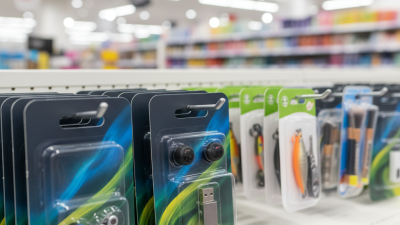
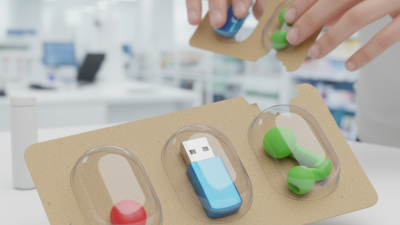
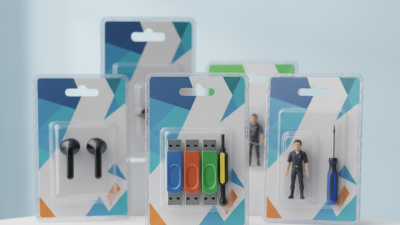
Blister card printing is a popular choice for product packaging. This method combines plastic and cardboard into a single unit, which enhances both durability and visibility. The clear plastic allows customers to see the product while the printed card provides essential information. This dual approach is not only practical but also draws attention on store shelves.
The design process is crucial. A well-designed blister card needs to balance aesthetics and functionality. Customers often focus on the product itself, but the packaging must also convey brand values. Simple designs can sometimes fail to stand out, which is a common mistake. However, an innovative layout can engage consumers effectively.
Choosing the right material is another important aspect. Plastic types and card thickness influence the final product. Evaluating these options requires expertise and attention to detail. Yet, some may overlook environmental impacts. Sustainable materials should be considered to reduce the ecological footprint. Understanding these nuances helps in creating effective and responsible packaging.
Advantages of Blister Card Packaging for Product Protection
Blister card packaging offers significant advantages for product protection. Its unique design creates a sealed environment that safeguards items from external elements. This helps in maintaining product integrity. The transparency of the material also allows customers to view the product before purchase. This can lead to increased consumer confidence.
The environmental durability of blister cards is another plus. They can resist moisture and dust, reducing the risk of damage during transportation and storage. However, some may argue that blister packaging is not always recyclable. This presents a challenge, as sustainability is increasingly important to consumers. Careful consideration is needed to balance product safety with environmental impact.
Moreover, blister card packaging is versatile. It can be customized to fit various products, from electronics to pharmaceuticals. This adaptability makes it a popular choice among manufacturers. Yet, creating the perfect blister design requires time and expertise. Miscalculations can lead to ineffective packaging. Continual improvement and testing are vital in this process.
Why Choose Blister Card Printing for Your Product Packaging? - Advantages of Blister Card Packaging for Product Protection
| Feature |
Description |
Benefits |
| Durability |
Blister cards are made from strong materials that provide excellent protection against damage. |
Protects products from impacts, reducing returns and dissatisfaction. |
| Visibility |
Clear plastic allows consumers to see the product without opening the package. |
Enhances purchasing decisions by showcasing the product effectively. |
| Customization |
Blister cards can be customized in shape, size, and design to meet specific branding needs. |
Helps to create a unique brand identity and improve market visibility. |
| Cost-effectiveness |
Production costs can be lower compared to other forms of packaging, especially in bulk. |
Maximizes return on investment while minimizing packaging costs. |
| Shelf Appeal |
Eye-catching designs attract consumers' attention on store shelves. |
Increases chances of product sales through improved visibility. |
Design Flexibility: Customizing Blister Cards to Fit Your Brand
In the world of product packaging, blister card printing stands out for its design flexibility. Brands can customize every aspect to reflect their identity. From size to shape, each element can be adapted specifically to fit the product. This level of personalization enhances shelf appeal and attracts customers effectively.
Each design choice offers an opportunity or a challenge. While vibrant colors and unique shapes can draw attention, they can also risk overshadowing the product. It’s essential to strike a balance. A simple, clean design can enhance usability and brand recognition. Sifting through design options can feel overwhelming, but it’s crucial for making a statement.
Sustainability is another important consideration. Opting for eco-friendly materials is becoming a priority. This choice not only aids in environmental protection but also aligns with consumer values today. However, sourcing sustainable materials can be complex. Taking time to investigate the options available is worth the effort. Ultimately, a well-thought-out blister card design can elevate a product's success in competitive markets.
Sustainability Considerations in Blister Card Printing
Blister card printing is gaining traction, especially concerning sustainability. The growing demand for eco-friendly packaging solutions reflects a crucial shift in consumer preferences. According to a recent report from Smithers Pira, around 55% of consumers actively seek sustainable packaging options. This statistic underscores the urgent need for manufacturers to adapt their packaging strategies.
Blister cards can be made from recyclable materials such as PET and PVC. However, not all materials are created equal. Some might still present environmental challenges. The production process must be examined carefully to ensure minimal waste and energy consumption. A study from the Packaging Association reveals that producing blister packs with renewable resources can decrease carbon emissions by up to 30%. These figures highlight the importance of considering an entire lifecycle for materials used.
Another consideration is the end-of-life scenario for blister packaging. Research suggests that while many blister packs are recyclable, the actual recycling rates are still low—only about 14% of plastic packaging is recycled globally. This fact prompts manufacturers to think critically about their designs and processes. Integrating sustainable practices throughout the supply chain is essential to make a genuine impact on the environment. Each small change can contribute to a more sustainable future for product packaging.
Cost-Effectiveness: Balancing Quality and Budget in Packaging Choices
Choosing blister card printing for your packaging can vastly improve your product's visibility. It’s important to find a balance between quality and budget. Packaging must protect products while also attracting customers. Blister cards are made from durable materials, ensuring that products stay secure during transportation. This durability can lead to fewer returns, lowering overall costs.
While blister card printing can be more costly than simpler packaging options, the investment often pays off. Customers respond well to appealing designs that highlight product features. The visual impact of blister cards can justify the higher initial cost. However, it's critical to evaluate your specific budget and demands. You may need to sacrifice some design elements to stay within financial limits.
Reflecting on your packaging choices is essential. Are you getting the quality needed for your brand? Are you seeing the expected returns on your investment? Sometimes, compromising on certain aspects leads to missed opportunities. It’s key to continually assess the effectiveness of your packaging strategy and make adjustments accordingly. This ensures that your choice of blister card printing remains a cost-effective solution.
Cost-Effectiveness of Blister Card Printing