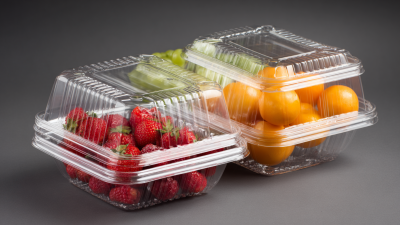
China Best Thermoform Packaging Solutions for Global Buyers?
The global demand for thermoform packaging has surged in recent years. According to a report by Smithers Pira, the thermoforming market is expected to reach $18 billion by 2025. This growth is fueled by advancements in materials and technology. Companies are seeking sustainable solutions that do not compromise quality.
Dr. Emily Thompson, an expert in packaging technologies, states, “Thermoform packaging is revolutionizing the industry with its versatility and efficiency.” Her insights highlight the importance of innovation in meeting diverse market needs. In particular, the food and beverage sector increasingly relies on thermoform solutions due to their protective features.
Despite the advancements, challenges remain. Not all manufacturers provide the same level of reliability and quality. Buyers need to carefully evaluate their options. Finding trustworthy suppliers that adhere to industry standards is essential for success. This focus on quality will ultimately determine the growth and sustainability of the thermoform packaging industry.
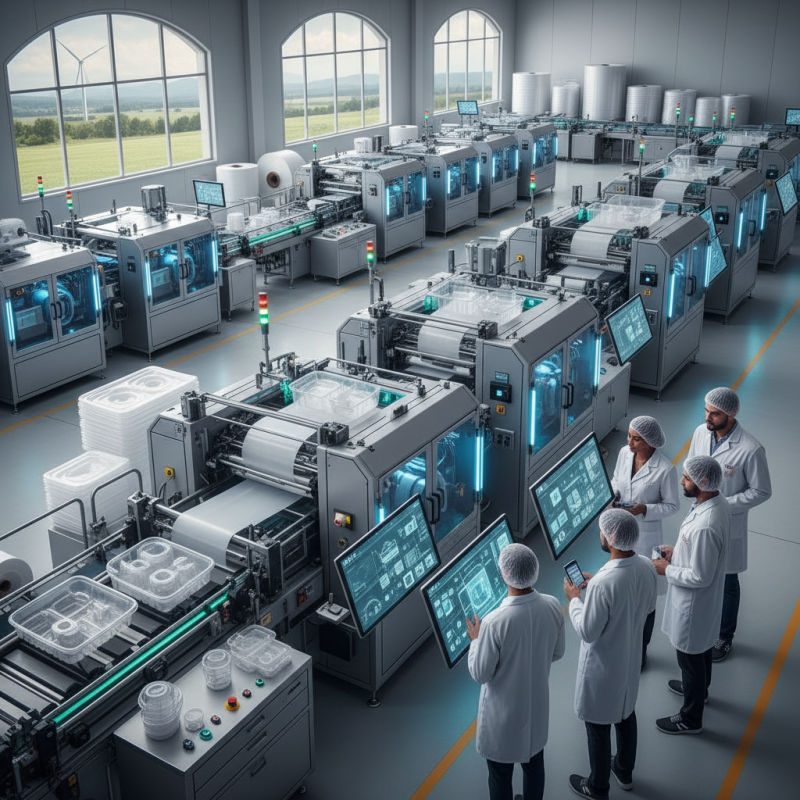
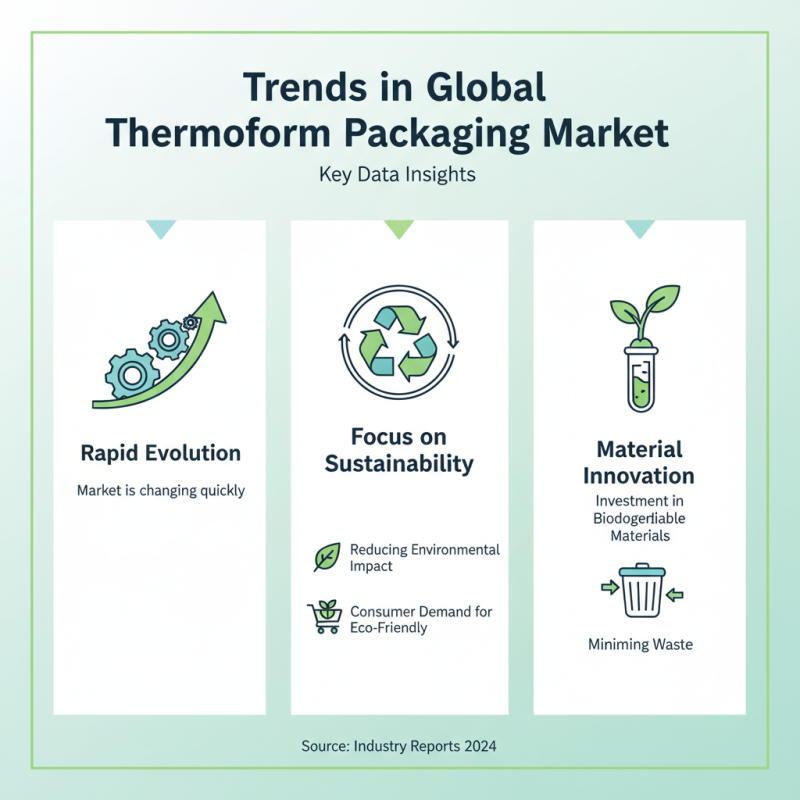
Trends in the Global Thermoform Packaging Market: Key Data Insights
The global thermoform packaging market is evolving rapidly. Companies are focusing on sustainability and reducing environmental impact. This shift is driven by consumer demand for eco-friendly packaging solutions. Many manufacturers are investing in biodegradable materials to minimize waste.
Innovations in technology also play a crucial role. Advanced machinery enables faster production and reduces energy consumption. These developments address both cost and efficiency concerns. Nevertheless, challenges remain. Some firms struggle with the high initial investment for new equipment. Others face difficulties in sourcing sustainable raw materials.
Market trends reveal a growing interest in customized packaging. Personalized solutions enhance brand identity and customer experience. However, not every company can meet these demands efficiently. Striking a balance between innovation and affordability is essential as businesses navigate these changes.
Major Players in China's Thermoform Packaging Industry and Their Contributions
China's thermoform packaging industry is booming, driven by innovation and demand for sustainable solutions. Major players in this market focus on developing efficient processes and high-quality materials. They strive to balance cost-effectiveness, durability, and environmental responsibility.
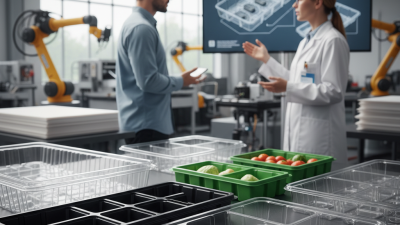
One notable aspect of the industry is the investment in advanced technology. Many companies are adopting automation and AI for improved production efficiency. However, challenges still exist. Some firms struggle to maintain consistent quality amid rapid production rates. This inconsistency can lead to waste and customer dissatisfaction.
Another area for reflection is the integration of sustainable practices. While many companies are transitioning to eco-friendly materials, the pace is uneven across the sector. Some manufacturers still rely heavily on traditional plastics, creating a gap in sustainability efforts. This divergence raises questions about the industry's long-term commitment to reducing environmental impact.
Comparative Analysis of Thermoform Packaging Materials and Their Applications
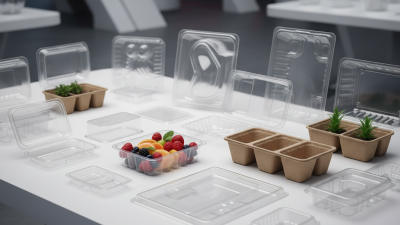
Thermoform packaging is vital in various industries. It offers versatility in design and excellent protection for products. Different materials have unique benefits. Polystyrene (PS) is lightweight and cost-effective. However, it has limitations in terms of design complexity.
Polyethylene terephthalate (PET) is another popular choice. It's durable and recyclable, making it environmentally friendly. Yet, the recycling process is not always efficient. Some buyers may prefer polyvinyl chloride (PVC). PVC provides strong barriers, but it raises concerns regarding environmental impact.
The selection of packaging materials should consider the product's needs. Different applications require specific attributes. For instance, food packaging often needs high barrier properties. In contrast, packaging for electronics emphasizes shock resistance. Each choice has trade-offs that must be carefully evaluated to achieve optimal results.
Sustainability Practices in China's Thermoform Packaging Sector: A Data Review
Sustainability is crucial in today's thermoform packaging sector. Recent data from the China National Packaging Association indicates that over 60% of companies are adopting eco-friendly materials. This shift reflects a growing awareness of environmental impacts. Yet, not every producer is on board. Some still rely on traditional plastics.
In 2022, nearly 40% of thermoform packaging in China was made from recycled materials. This is a positive trend, but the pace is slow. Many manufacturers face challenges in sourcing sustainable inputs. Reports show that consumer demand is outpacing sustainable supply. The industry must innovate while balancing costs.
Moreover, the energy used in production remains a concern. Data reveals that thermoform production accounts for about 15% of the total energy consumption in the packaging industry. This factor complicates the sustainability narrative. More investments in renewable energy sources are essential for a greener future. Transitioning to sustainable practices will require collective effort across the sector.
Future Outlook: Innovations and Developments in Thermoform Packaging Solutions
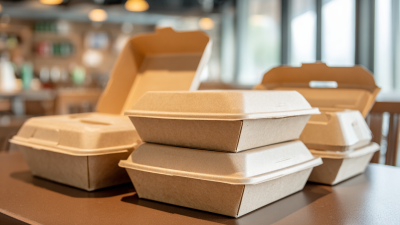
The landscape of thermoform packaging is evolving rapidly. Innovations are shaping how products are stored, shipped, and displayed. This shift is driven by the need for sustainable materials and enhanced functionality. Eco-friendly options like biodegradable plastics and recycled materials are becoming increasingly popular. These materials not only meet consumer demand but also address environmental concerns.
Moreover, advancements in technology are refining the production process. Companies are now able to customize designs with precision. This flexibility allows for unique packaging solutions that appeal to diverse markets. The integration of smart technology is also making waves. Sensors can now be embedded into packaging to monitor freshness or temperature.
**Tip:** Consider the environmental impact of your packaging choices. Sustainable options are not just good for the planet; they appeal to the eco-conscious consumer.
As businesses explore these options, they must remain open to failures and setbacks. Not all innovations will succeed immediately. Testing and adjusting packaging designs is essential. Companies should embrace feedback and learn from their experiences.
**Tip:** Emphasize user experience in your packaging design. Feedback from consumers can guide improvements and future developments.
China Best Thermoform Packaging Solutions for Global Buyers? - Future Outlook: Innovations and Developments in Thermoform Packaging Solutions
| Dimension |
Description |
Trend/Innovation |
Future Outlook |
| Material Types |
Biodegradable plastics and recycled PET. |
Increasing use of sustainable materials. |
Expand the market for eco-friendly packaging. |
| Automation Level |
High automation in production processes. |
Increased use of AI and robotics. |
Efficient production with reduced labor costs. |
| Customization Options |
Tailored designs for various sectors. |
Growth in personalized packaging solutions. |
More brands seeking unique packaging styles. |
| Market Demand |
Growing demand in food and healthcare sectors. |
Shifting towards safer and recyclable packaging. |
Continuous growth expected in these industries. |
| Technological Advancements |
New forming technologies and materials. |
Innovations in thermoforming processes. |
Enhancing product integrity and shelf life. |