How to Choose Stock Clamshells for Your Business
Choosing stock clamshells is not just a packaging decision; it affects product protection, shelf presentation, and daily packing work. A container that looks suitable online may arrive too shallow for a berry punnet or too loose for a small hardware item. Fit comes first. Check the product’s length, width, height, and weight, then compare them with the clamshell’s usable interior dimensions.
The U.S. Environmental Protection Agency’s 2018 Advancing Sustainable Materials Management report estimated that containers and packaging made up 28.1% of U.S. municipal solid waste generation. That figure covers many packaging types, not clamshells alone. Still, it gives businesses a reason to examine material, recyclability, and right-sizing rather than treating packaging as a minor cost. For food, review ventilation and closure strength. For retail goods, check visibility, hanging features, and resistance to opening during transit.
There is no single best stock clamshell for every business. Compare sample units before placing a large order, and test them with the actual product, label, and packing process. Small details matter. A lid that snaps shut easily can save time; a weak hinge may not survive repeated handling. Consider minimum order quantities, case dimensions, and supplier consistency alongside unit price. A low price can look convincing, but it may hide extra labor or product damage. Even careful testing cannot predict every shipping condition, so review customer feedback after launch and adjust when needed.
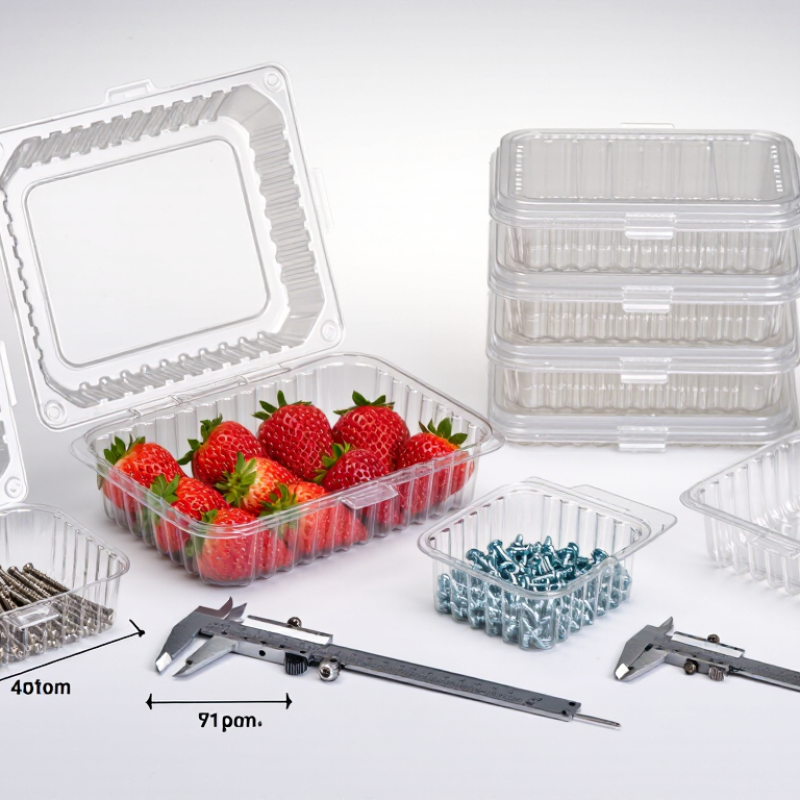
Define Your Product and Packaging Requirements
Before comparing stock clamshells, define what the package must protect and display.
A muffin, cut fruit, and small hardware parts place different demands on the hinge, base, and lid. Record the product’s widest dimensions, including toppings or irregular edges. Measure a filled sample, not just a catalog item. It sounds obvious. It is often skipped.
For food, confirm that the material suits the product and its expected temperature range. Warm pastries may create condensation, while moist produce can need ventilation. Do not assume a clamshell is leakproof; test it with the actual product and handling conditions. Check whether the lid closes securely without crushing delicate contents. A simple trial can reveal problems that measurements miss.
Consider how the package will move through your business. Check its fit in display trays, delivery bags, and storage cartons. If packages will be stacked, test a filled stack for shifting or lid pressure. Leave enough clearance for easy packing, but avoid excess space that lets products slide.
The first sample may still disappoint. That is useful information, not a failed process: adjust the size or closure requirements before ordering larger quantities.
Match Clamshell Size, Closure, and Protection to Your Product
A stock clamshell should fit the product, not merely look close on a shelf. Measure the item at its widest points, including stems, labels, or uneven edges. Leave enough room to close the lid without pressing delicate surfaces. Too much empty space can let products shift during delivery. Small details matter. For berries, check whether several layers stay in place when the package is tilted gently. For a pastry, test whether the lid clears the icing. Sample packs help reveal fit problems before you order in quantity.
Closure and protection depend on how the product will be handled. A firm snap can reduce accidental opening, but an overly tight closure may frustrate staff during packing. Hinged lids make access quick; separate lids may suit some packing lines better. Consider ventilation for products that release moisture, and use a tighter design when dust or handling contact is the bigger concern. Test it in motion. Carry a filled sample in a tote, stack it with similar packs, and inspect it after a short trip. These checks cannot predict every delivery, and they may expose awkward trade-offs. That is useful: a clamshell that looks secure on a counter may behave differently in a crowded crate.
Evaluate Supplier Reliability, Costs, and Compliance
How to Choose Stock Clamshells for Your Business
Evaluate Supplier Reliability, Costs, and Compliance
A dependable supplier should provide stable dimensions, clear lead times, and prompt notice of material changes. Request samples from more than one production lot, then check hinge strength, closure, stacking, and label space. Small samples matter. Compare the cost per usable package, not just the quoted unit price. Include freight, storage, and losses from cracked lids or poor fit. A low quote can look convincing until those costs appear.
For compliance, match the clamshell’s material and documentation to its intended use and sales market. Ask for material specifications, relevant food-contact declarations when applicable, and lot-level traceability. The US EPA reported that plastic containers and packaging generated 14.5 million tons of waste in 2018, with 13.6% recycled. That figure covers the broader category, not clamshells alone; still, it is a reason to verify recyclability claims for the exact resin and local collection system. Paperwork matters too.
Tip: Run a small receiving trial before placing a larger order. Stack filled packages, open and close several lids, and record damaged units. Check that invoice quantities match the delivery. One weakness: a trial cannot prove year-round supply consistency, so review reorder performance over time.
How to Choose Stock Clamshells for Your Business
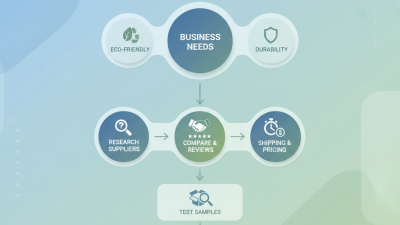
Evaluate supplier reliability, total cost, and compliance for your product and market. The chart shows a U.S. benchmark for making an unqualified recyclable claim—not a guarantee that a particular clamshell is recyclable.
Procurement checks: Ask suppliers for food-contact documentation appropriate to your product and use conditions, written specifications and quality-control details, and evidence supporting any environmental claims. Compare delivered cost—including tooling, freight, minimum order quantities, and expected waste—and review lead times and on-time delivery history.
U.S. reference: FTC Green Guides, 16 CFR § 260.12. The Guides generally require recycling facilities to be available to at least 60% of consumers or communities where a product is sold to make an unqualified recyclable claim; otherwise, the claim should be qualified. Requirements and recycling access vary by location.
Test Samples Before Placing a Stock Clamshell Order
A
stock clamshell can look right in a catalog and still fail on your packing table. Before ordering, request samples in the exact size and material you plan to buy. Check whether your product fits without pressure, rattling, or awkward gaps. A berry container, for example, should close securely without crushing fruit near the hinge.
Test the sample during a normal work shift. Open and close it repeatedly, then check whether the hinge loosens or the lid pops open. Stack filled containers as your team would during storage or delivery. Look for flexing, slipping, and lids that are difficult to distinguish when workers are moving quickly. Small problems matter. A finicky latch can slow packing.
Also test the clamshell with your actual label and packing equipment. Cold rooms or damp hands may change how easy the container is to handle. If possible, ask several employees to try it; one person’s “easy” may be another’s awkward. Keep a few samples for later comparison. One limitation: a short trial cannot reveal every issue that appears in long-term use. Still, notes on fit, closure, stacking, and packing speed give you better grounds for choosing an order quantity.