Why Choose a Tray Sealing Machine for Your Business?
Choosing packaging equipment can shape daily production, product quality, and customer trust. A tray sealing machine offers a controlled method for closing ready-meal, meat, seafood, produce, and prepared-food trays. It can create consistent seals while supporting different films, tray materials, and production speeds.
John Duffy, founder of Proseal and a recognized packaging-machinery specialist, once expressed a practical principle: “The right equipment should improve the process, not complicate it.” This idea deserves attention. A suitable tray sealing machine can reduce leaking packs, uneven film tension, and unnecessary manual handling. Operators can monitor temperature, sealing pressure, and cycle timing from one workstation. The result is often cleaner presentation and more predictable output.
Still, automation is not magic.
Businesses must examine tray size, product temperature, filling accuracy, hygiene routines, and expected volumes before purchasing. A machine that performs well with chilled meals may struggle with oily products or delicate produce. Film waste, changeover time, cleaning access, and staff training also affect the real return on investment. These details are easy to overlook during a sales demonstration.
In practical use, the best system is rarely the fastest machine alone. It is the one that fits the existing line, protects the product, and remains manageable during busy shifts. A thoughtful evaluation may reveal that a semi-automatic model suits a growing company better than a costly high-speed system. That conclusion can feel less impressive, but it may be more honest. A tray sealing machine should support reliable growth, not create another problem for the production team.
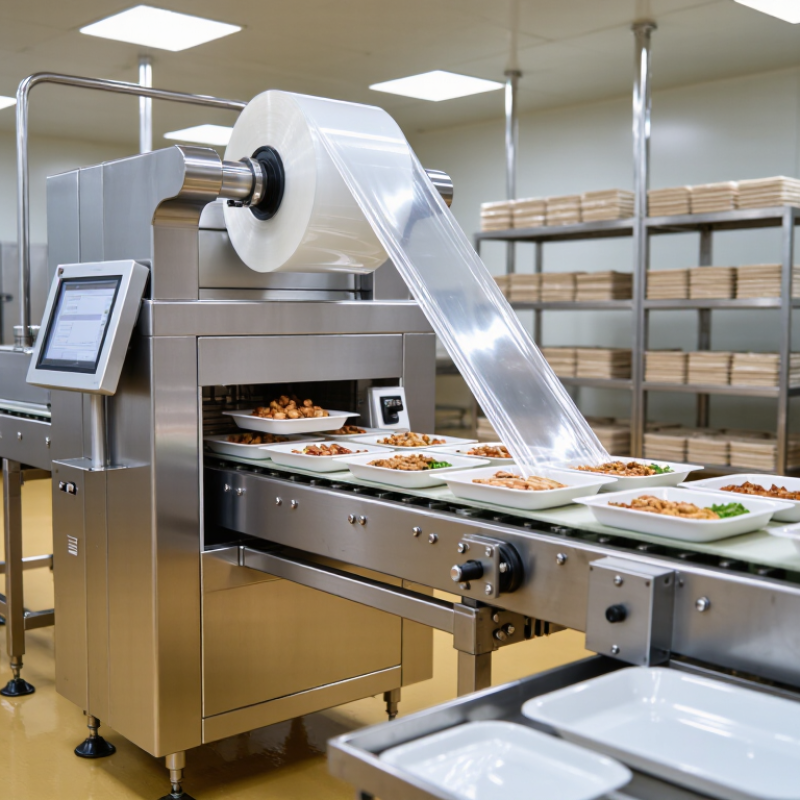
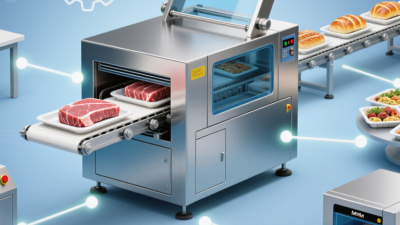
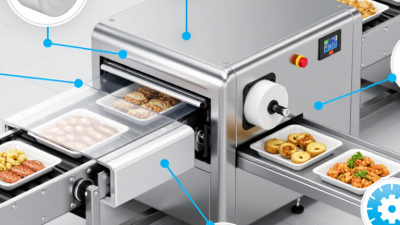
A tray sealing machine closes prepared food trays with a heat-sealed film. It helps protect meals from air, moisture, and handling. The machine usually includes a tray holder, sealing plate, film roll, temperature control, and cutting system. Its design may look simple. The settings require care.
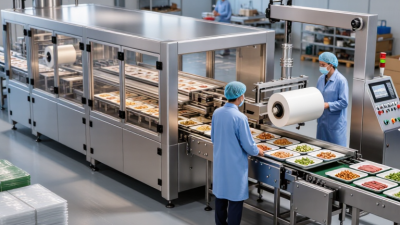
The operator places a filled tray into the mold. The machine positions film across the tray rim, then applies controlled heat and pressure. The film bonds to the rim and creates a tight seal. After cooling briefly, the cutter removes excess film. Depending on the model, the process may also remove air or add a protective gas before sealing. This can support product freshness, but it does not replace safe storage or quality checks. A poorly cleaned rim can cause leaks, even when the seal looks acceptable.
Tips: Keep tray rims dry and free from food particles. Test seal strength during every production shift. Adjust heat, pressure, and dwell time together, not separately. Record results. Small notes often reveal larger problems. Operators should also inspect film alignment and sealing plates regularly. In practice, many failures begin with rushed loading or inconsistent tray sizes. That detail is easy to overlook. A short trial run before full production can expose weak seals, wrinkles, and temperature errors.
Why Choose a Tray Sealing Machine for Your Business?
Which Business Needs Can Tray Sealing Machines Address?
Tray sealing machines suit businesses that prepare, portion, and distribute food at scale. Meal-prep kitchens can seal hundreds of chilled trays with consistent film tension and clean edges. Retail food producers gain clearer presentation, controlled portions, and fewer leakage complaints. Caterers and institutional kitchens may also benefit when menus change daily. The machine can support modified-atmosphere packaging, but results depend on gas settings, tray material, and product temperature. Small details matter.
Industry data shows why control is valuable. The UNEP Food Waste Index Report 2024 estimates that 1.05 billion tonnes of food were wasted in 2022. Better sealing cannot solve every waste problem, but it can reduce exposure, spills, and premature spoilage in suitable products. Mordor Intelligence reports continued growth in the global food packaging market, driven by convenience and ready-to-eat demand. That growth creates opportunity, though not every business needs automation.
Tips: Test your actual meals before purchasing. Check seal strength after refrigeration, transport, and stacking. Measure changeover time, film usage, and cleaning effort. A fast machine with difficult maintenance may become expensive. I have seen production teams focus on output speed and overlook operator training. That is a practical weakness. Select equipment around tray sizes, daily volume, hygiene requirements, and future menu changes. Some businesses may need a semi-automatic model first. Growth is not always linear.
| Business Need | How Tray Sealing Addresses It | Relevant Machine Capability | Practical Business Value | Best-Suited Operations |
|---|---|---|---|---|
| Longer product shelf life | Creates a consistent heat-sealed barrier that helps reduce exposure to oxygen, moisture, dust, and external contaminants. | Heat-sealing system with optional vacuum or modified-atmosphere packaging (MAP). | Can help reduce premature spoilage, product returns, and unnecessary food waste when the package, film, and storage conditions are properly validated. | Fresh food processors, prepared-meal producers, seafood packers, and foodservice suppliers. |
| Improved packaging consistency | Uses controlled temperature, pressure, and dwell time to produce repeatable seals across production batches. | Adjustable sealing parameters, guided tooling, and automatic cycle control. | Supports standardized pack appearance and reduces dependence on manual sealing technique. | Businesses moving from hand-applied film or inconsistent manual packaging. |
| Higher packaging throughput | Automates the sealing stage and can process multiple trays per cycle, depending on the machine configuration and tray format. | Single-, multi-lane, or continuous-motion configurations with automatic tray loading options. | Helps production teams handle larger order volumes without increasing sealing labor at the same rate. | Medium-scale processors, contract packers, and high-volume retail suppliers. |
| Lower labor intensity | Replaces repetitive manual film application and sealing with a controlled machine cycle. | Automatic film feeding, cutting, sealing, and cycle release. | Allows employees to focus on preparation, quality checks, labeling, and other higher-value tasks. | Operations experiencing labor shortages, rising labor costs, or repetitive-task fatigue. |
| Leak and tamper reduction | Forms a continuous seal around the tray flange when compatible trays, films, and sealing conditions are used. | Seal-integrity monitoring, correctly matched tooling, and adjustable sealing pressure. | Helps protect products during handling, transport, and retail display while supporting visible package integrity. | Liquid-rich meals, sauces, meat products, dairy products, and chilled foods. |
| Better presentation and merchandising | Produces a neat, flat film seal that can display printed graphics, product information, or a clear view of the contents. | Clear or printed lidding film, precise film positioning, and interchangeable tray tooling. | Creates more uniform shelf presentation and supports product differentiation through packaging design. | Retail-ready products, convenience meals, bakery items, and premium fresh foods. |
| Flexible product and tray formats | Allows businesses to package different products and portion sizes by changing molds, recipes, or machine settings. | Quick-change tooling, programmable recipes, and support for multiple tray dimensions. | Makes it easier to serve multiple customers, pack sizes, and seasonal product ranges. | Private-label producers, seasonal businesses, and companies with a varied product portfolio. |
| Improved hygiene control | Reduces direct handling of the product after filling and creates a protective package barrier. | Stainless-steel construction, cleanable surfaces, guarded sealing areas, and hygienic machine layouts. | Supports documented sanitation procedures and helps limit opportunities for post-fill contamination. | Food processors operating under HACCP-based food-safety systems or similar controls. |
| Portion and specification control | Works with defined tray sizes and filling procedures to support repeatable portions and pack dimensions. | Standardized tooling, recipe settings, and integration with filling or weighing equipment. | Helps improve pack uniformity, labeling accuracy, and compliance with customer specifications. | Institutional catering, retail meal production, and contract manufacturing. |
| Reduced packaging material waste | Feeds and cuts lidding film to a controlled length, reducing excess film caused by manual cutting. | Automatic film indexing, programmable cutting, and optimized tray layouts. | Can lower film waste and improve material-use consistency, subject to machine setup and tray design. | Businesses seeking tighter packaging-cost control or reduced material waste. |
| Scalable production growth | Provides a bridge from manual packaging to semi-automatic or fully automated production lines. | Modular automation, conveyor integration, denesting, filling, labeling, weighing, and inspection options. | Allows packaging capacity to expand progressively as demand, labor requirements, and product complexity increase. | Start-ups, growing food manufacturers, and established plants upgrading their production lines. |
A tray sealing machine gives product packaging a controlled, repeatable process. It places film over prepared trays and applies steady heat and pressure. In daily production, this consistency matters more than speed alone. A clean seal helps limit moisture, dust, and accidental opening during storage. That protects texture and reduces avoidable product loss. Less waste, too.
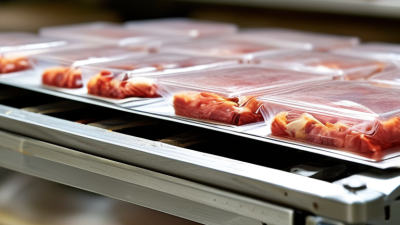
Sealed trays also improve presentation on retail shelves. Clear film allows customers to inspect the product without touching it. For ready meals, fresh foods, and prepared portions, this visibility can support buying decisions.
The sealed format also helps maintain portion control and cleaner handling. Packaging teams can adjust sealing conditions for different tray materials and product temperatures. This flexibility supports changing production needs.
From hands-on production experience, operators often spend less time correcting loose film or uneven closures. The machine can also reduce repetitive manual work and improve output records.
Still, automation is not perfect. Film tension, tray edges, and product residue can affect seal quality. I have seen minor residue create leaks that were not obvious at first. Those details deserve regular attention.
A reliable setup needs documented temperature checks, pressure checks, and seal inspections. Staff training matters as much as the equipment.
This is a weak point. Without careful checks, a fast machine may simply produce more defective packs.
Regular sampling helps identify problems before an entire batch is affected.
Selecting the right tray sealing machine starts with the product, not the machine’s advertised speed. Measure tray dimensions, film type, filling temperature, and expected daily volume. A 60-trays-per-minute model may underperform when frequent format changes create long stoppages. PMMI’s 2024 State of the Industry Report valued U.S. packaging machinery shipments at approximately $10.2 billion in 2023. This growth reflects continued investment in automation, labor efficiency, and consistent packaging quality.
Check seal integrity under real production conditions. Test chilled, greasy, wet, and irregular products before signing a purchase agreement. Ask for evidence from seal-strength testing and production trials. Look for adjustable temperature control, accessible tooling, quick-change parts, and clear operator settings. These details reduce waste during changeovers. They also support repeatable results. Very important.
Calculate total operating cost, not only the purchase price. Review electricity use, compressed-air demand, film waste, maintenance intervals, and spare-part availability. The PMMI 2023 Packaging Automation Trends Report identifies labor shortages as a major reason manufacturers increase automation.
Still, automation is not automatically efficient. A complicated interface can slow inexperienced operators. I have seen impressive machines lose value through poor training and unsuitable tooling. Select a system that matches your team, production rhythm, cleaning process, and future tray sizes. A practical factory trial remains more reliable than a polished brochure.
A tray sealing machine can improve consistency, but its value depends on correct installation. Measure the available floor space, ceiling height, and access routes before delivery. The machine needs a stable, level surface and suitable electrical power. Compressed air quality also matters. Moisture or unstable pressure can weaken seals and interrupt production. Leave enough space around the frame for cleaning and service access.
Operation depends on matching the machine with the tray material, film structure, product temperature, and production speed. Operators should set sealing temperature, pressure, and dwell time according to validated trials, not guesswork. A practical test includes checking seal strength, film wrinkles, leaks, and contamination around the rim. Keep the sealing area clean. Small food particles can cause large failures. Clear instructions and hands-on training reduce adjustment errors, especially during changeovers.
Maintenance requires more than wiping visible surfaces. Inspect heating plates, cutting tools, sensors, air lines, and conveyor guides on a fixed schedule. Record temperature readings and unusual noises, even when output looks normal. Replace worn parts before they damage the sealing process. This can be inconvenient and sometimes feels unnecessary. It is still cheaper than losing a full production run. One overlooked issue is operator feedback; the people using the machine daily often notice vibration or timing changes first. Listen to them.